
-
 Become an influential brand in the world industry!
The company was established in 2008 and is located in Botou, Hebei, a famous casting city in China. -
Products
We continue to develop and create high quality but affordable products
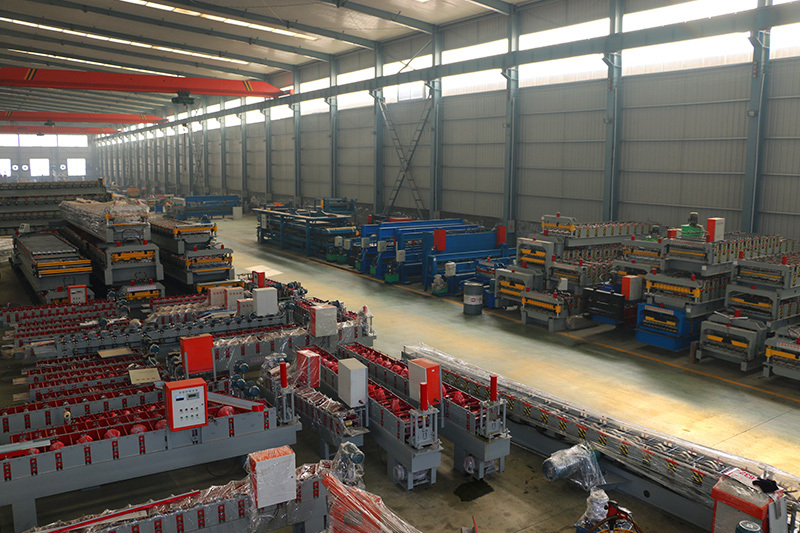
The company is divided into two major factory areas in the north and south. -
Push forward without end
Products are widely used in industrial and civil buildings, such as factories, warehouses, gymnasiums, exhibition halls and other houses and walls. The company has a high starting point and an early start in the products of tile pressing forming and high-altitude tile pressing forming operation platform.
language
The Future of Manufacturing: Exploring Trends in Automatic Roll Forming Machines
The Future of Manufacturing: Trends in Automatic Roll Forming Machines
Table of Contents
- Introduction to Automatic Roll Forming Machines
- Technological Advancements in Roll Forming
- The Impact of Industry 4.0 on Manufacturing
- Sustainability Practices in Roll Forming
- Customization and Flexibility in Design
- Automation and AI in Roll Forming Processes
- Global Market Trends and Their Implications
- Future Outlook for Automatic Roll Forming Machines
- FAQs About Automatic Roll Forming Machines
- Conclusion
Introduction to Automatic Roll Forming Machines
Automatic roll forming machines play a critical role in the modern manufacturing landscape. These machines are designed to transform flat metal sheets into specific shapes through a continuous bending process. This technology is integral to producing various products, from structural components in construction to intricate parts in the automotive industry. As the demand for efficiency, precision, and versatility increases, the evolution of roll forming machines continues to adapt to meet these challenges.
Technological Advancements in Roll Forming
The manufacturing sector is witnessing rapid technological advancements that are reshaping how automatic roll forming machines operate. Key innovations include:
1. Enhanced Control Systems
Modern roll forming machines come equipped with sophisticated control systems that allow for precise monitoring and adjustments during the forming process. These systems ensure that each piece maintains high accuracy, reducing waste and increasing overall efficiency.
2. Improved Materials
Advancements in material science have led to the development of stronger, lighter, and more durable materials for use in roll forming. Manufacturers now have access to high-strength steel and other alloys that enhance the quality and longevity of the products produced.
3. Advanced Software Solutions
The integration of CAD (Computer-Aided Design) and CAM (Computer-Aided Manufacturing) software has revolutionized the design and production process in automatic roll forming. These tools allow engineers to create complex shapes and structures efficiently, streamlining the workflow from design to production.
The Impact of Industry 4.0 on Manufacturing
Industry 4.0, characterized by the fusion of digital technology with manufacturing, significantly influences automatic roll forming machines.
1. IoT Integration
The Internet of Things (IoT) enables machines to communicate with each other and with operators, fostering a more interconnected manufacturing environment. This connectivity allows for real-time data collection and analysis, leading to improved decision-making and operational efficiency.
2. Predictive Maintenance
With the help of IoT sensors, manufacturers can monitor the health of their roll forming machines in real-time, predicting potential failures before they occur. This proactive approach reduces downtime and maintenance costs, ensuring production stays on track.
3. Data-Driven Insights
Big Data analytics provide valuable insights into production processes, enabling manufacturers to optimize their operations. By analyzing trends and performance metrics, companies can make informed adjustments to enhance productivity and reduce waste.
Sustainability Practices in Roll Forming
As environmental concerns grow, the manufacturing industry is increasingly focusing on sustainability. Automatic roll forming machines are no exception.
1. Energy Efficiency
Modern roll forming machines are designed to be energy-efficient, helping manufacturers reduce their carbon footprint. Utilizing advanced technologies and materials that consume less energy during operation is a vital step in promoting sustainable practices.
2. Waste Reduction
The precision of automatic roll forming minimizes material waste during production. Manufacturers are adopting practices that ensure every piece of material is utilized effectively, leading to reduced scrap and overall resource conservation.
3. Sustainable Materials
Using recycled materials in the production process is becoming more common. Many manufacturers are exploring ways to incorporate recycled metals into their roll forming operations, contributing to a circular economy.
Customization and Flexibility in Design
Today's consumers demand customized products tailored to their specific needs. Automatic roll forming machines are evolving to meet these demands.
1. Quick Changeover Capabilities
Manufacturers can now quickly switch between different product designs without extensive downtime. The flexibility of modern roll forming machines allows for rapid changeovers, making them ideal for small-batch production runs.
2. Versatile Design Options
Automatic roll forming machines can produce a wide variety of shapes and sizes, accommodating diverse industry requirements. This versatility enables manufacturers to cater to various markets, from construction to automotive.
Automation and AI in Roll Forming Processes
The integration of automation and artificial intelligence (AI) is setting new benchmarks in the efficiency and effectiveness of roll forming machines.
1. Robotics in Roll Forming
Robotic systems are increasingly being integrated into roll forming lines, enhancing productivity and reducing labor costs. Robots can handle repetitive tasks with precision and speed, allowing human workers to focus on more complex responsibilities.
2. AI-Driven Quality Control
AI technologies are being deployed for real-time quality control, ensuring that each product meets the required specifications. These systems can identify defects or deviations in the production process, reducing the likelihood of costly errors.
3. Enhanced Workflow Optimization
AI-powered systems analyze production data to identify bottlenecks and inefficiencies, allowing manufacturers to optimize their workflow continuously. This proactive approach leads to significant improvements in overall operational performance.
Global Market Trends and Their Implications
Understanding global market trends is crucial for manufacturers involved in automatic roll forming. Several key trends are shaping the future landscape:
1. Increased Demand for Lightweight Materials
The automotive and aerospace industries are moving towards lightweight materials to improve fuel efficiency. As a result, roll forming machines must adapt to process these materials effectively.
2. Growth in Emerging Markets
Emerging economies are witnessing rapid industrialization, leading to increased demand for manufacturing equipment, including roll forming machines. Manufacturers must position themselves to capitalize on these growth opportunities.
3. Global Supply Chain Resilience
Recent global events have highlighted the need for resilient supply chains. Manufacturers must consider diversifying their supply sources and improving inventory management to withstand future disruptions.
Future Outlook for Automatic Roll Forming Machines
The future of automatic roll forming machines looks promising, driven by technological advancements and changing market demands. Companies that embrace innovation and adapt to emerging trends will likely maintain a competitive edge.
1. Enhanced Collaboration Across Industries
Collaboration between manufacturers, technology providers, and research institutions will foster innovation and drive the development of next-generation roll forming machines.
2. Continued Emphasis on Sustainability
As sustainability becomes a central theme in manufacturing, companies will focus on developing eco-friendly practices and technologies that minimize their environmental impact.
3. Investment in Training and Skills Development
To fully leverage the capabilities of advanced roll forming machines, manufacturers must invest in workforce training and skills development. A knowledgeable workforce will be essential for navigating the complexities of modern manufacturing.
FAQs About Automatic Roll Forming Machines
1. What is an automatic roll forming machine?
An automatic roll forming machine is a device that continuously bends flat metal sheets into specific shapes, ideal for producing various structural and automotive components.
2. How does automatic roll forming improve efficiency?
Automatic roll forming improves efficiency by enabling high-speed production with minimal waste, precise control over dimensions, and quick changeover capabilities for different designs.
3. What industries benefit from roll forming technology?
Industries such as construction, automotive, aerospace, and manufacturing benefit greatly from roll forming technology due to its versatility and ability to produce intricate designs.
4. Are automatic roll forming machines environmentally friendly?
Yes, modern automatic roll forming machines are designed to be energy-efficient and minimize material waste, contributing to more sustainable manufacturing practices.
5. What trends should manufacturers watch for in the future of roll forming?
Manufacturers should pay attention to advancements in automation, AI integration, sustainability practices, and the growing demand for customizable and lightweight materials.
Conclusion
The future of manufacturing, particularly in the realm of automatic roll forming machines, is poised for transformative growth. With technological advancements driving efficiency, sustainability taking center stage, and customization becoming the norm, these machines will continue to evolve. By embracing these trends, manufacturers can enhance their competitive edge and respond effectively to the changing landscape of the industry. As we look ahead, it is clear that automatic roll forming machines will play an integral role in shaping the future of manufacturing.
Key words:
recommend News
Share
Cangzhou Forward Roll Forming Machinery Manufacturing
Telephone: +86 0317 8308862
Mobile: +86 187 3373 6699
E-mail:info@rollformingmills.com
Skype:james521520
Address: China Hebei Cangzhou Botou City 104 National Road East
Website QR Code

Business License