
-
 Become an influential brand in the world industry!
The company was established in 2008 and is located in Botou, Hebei, a famous casting city in China. -
Products
We continue to develop and create high quality but affordable products
The company is divided into two major factory areas in the north and south. -
Push forward without end
Products are widely used in industrial and civil buildings, such as factories, warehouses, gymnasiums, exhibition halls and other houses and walls. The company has a high starting point and an early start in the products of tile pressing forming and high-altitude tile pressing forming operation platform.
language
Understanding Guardrail Roll Forming Machines: A Comprehensive Overview
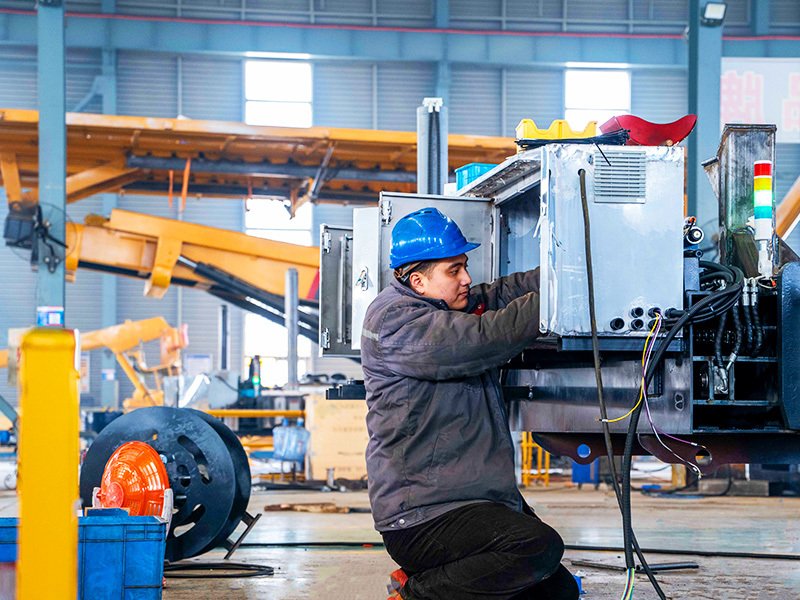
Guardrail roll forming machines play a critical role in the manufacturing process of highway safety features, particularly guardrails. These machines are designed to transform flat metal sheets into specific shapes and profiles that are essential for roadway safety. The process involves a series of rollers that gradually form the metal into the required contours, ensuring that the final product meets industry standards.
One of the primary advantages of using guardrail roll forming machines is the efficiency they bring to production. Unlike traditional methods of cutting and welding, roll forming allows for continuous production with minimal waste. The machines can operate at high speeds, enabling manufacturers to produce large quantities of guardrails in a shorter timeframe. This efficiency is especially important in industries where meeting tight deadlines is crucial.
In terms of design, guardrail roll forming machines are versatile and can accommodate various metal types, including galvanized steel and aluminum. This adaptability allows manufacturers to produce a wide range of guardrail profiles to meet different regulatory requirements and aesthetic preferences. By using advanced technology, many machines also offer programmable settings, enabling operators to switch between different profiles with ease.
Maintenance of guardrail roll forming machines is essential to ensure consistent performance. Regular inspections and upkeep can help identify wear and tear on the rollers and other components, preventing costly downtime. Additionally, training operators on proper use and maintenance practices can significantly extend the machine's lifespan and enhance safety during operation.
Furthermore, the integration of automation and smart technologies into guardrail roll forming machines is becoming increasingly common. Features such as real-time monitoring and automated adjustments can enhance precision and reduce the likelihood of defects, which is critical for safety-related products like guardrails.
In summary, guardrail roll forming machines are a vital component in the manufacturing of highway safety products. Their efficiency, versatility, and the potential for automation make them an invaluable asset for manufacturers in this sector. Understanding their functionality and maintenance needs can help industry professionals optimize production processes and ensure the quality of the final products used to protect road users. As the demand for safer roadways continues to grow, so too does the importance of effective manufacturing solutions like guardrail roll forming machines.
One of the primary advantages of using guardrail roll forming machines is the efficiency they bring to production. Unlike traditional methods of cutting and welding, roll forming allows for continuous production with minimal waste. The machines can operate at high speeds, enabling manufacturers to produce large quantities of guardrails in a shorter timeframe. This efficiency is especially important in industries where meeting tight deadlines is crucial.
In terms of design, guardrail roll forming machines are versatile and can accommodate various metal types, including galvanized steel and aluminum. This adaptability allows manufacturers to produce a wide range of guardrail profiles to meet different regulatory requirements and aesthetic preferences. By using advanced technology, many machines also offer programmable settings, enabling operators to switch between different profiles with ease.
Maintenance of guardrail roll forming machines is essential to ensure consistent performance. Regular inspections and upkeep can help identify wear and tear on the rollers and other components, preventing costly downtime. Additionally, training operators on proper use and maintenance practices can significantly extend the machine's lifespan and enhance safety during operation.
Furthermore, the integration of automation and smart technologies into guardrail roll forming machines is becoming increasingly common. Features such as real-time monitoring and automated adjustments can enhance precision and reduce the likelihood of defects, which is critical for safety-related products like guardrails.
In summary, guardrail roll forming machines are a vital component in the manufacturing of highway safety products. Their efficiency, versatility, and the potential for automation make them an invaluable asset for manufacturers in this sector. Understanding their functionality and maintenance needs can help industry professionals optimize production processes and ensure the quality of the final products used to protect road users. As the demand for safer roadways continues to grow, so too does the importance of effective manufacturing solutions like guardrail roll forming machines.
Key words:
recommend News
Share
Cangzhou Forward Roll Forming Machinery Manufacturing
Telephone: +86 0317 8308862
Mobile: +86 187 3373 6699
E-mail:info@rollformingmills.com
Skype:james521520
Address: China Hebei Cangzhou Botou City 104 National Road East
Website QR Code

Business License