
-
 Become an influential brand in the world industry!
The company was established in 2008 and is located in Botou, Hebei, a famous casting city in China. -
Products
We continue to develop and create high quality but affordable products
The company is divided into two major factory areas in the north and south. -
Push forward without end
Products are widely used in industrial and civil buildings, such as factories, warehouses, gymnasiums, exhibition halls and other houses and walls. The company has a high starting point and an early start in the products of tile pressing forming and high-altitude tile pressing forming operation platform.
language
Innovative Applications of Profile Roll Forming Machines in Construction
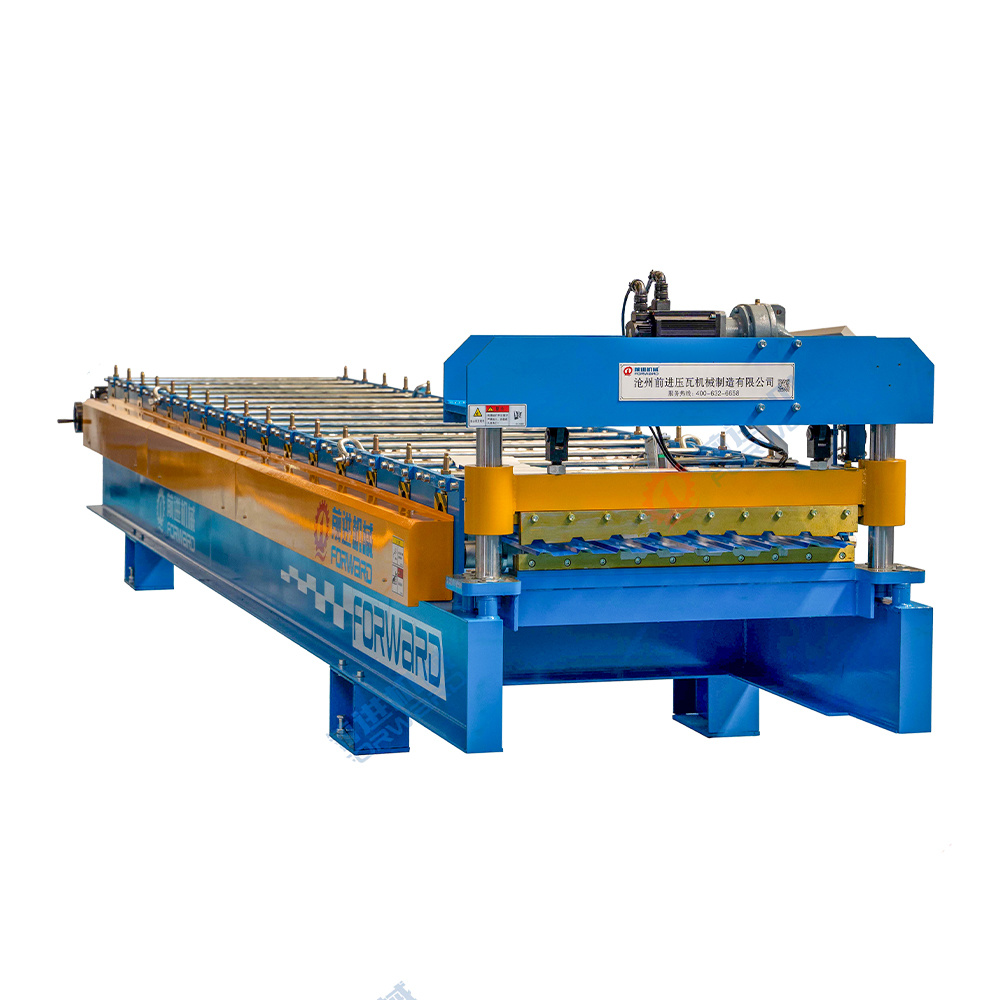
Innovative Applications of Profile Roll Forming Machines in Construction
Table of Contents
- Introduction to Profile Roll Forming Machines
- How Profile Roll Forming Machines Work
- Key Applications in the Construction Industry
- Benefits of Using Profile Roll Forming Machines
- Future Trends in Profile Roll Forming Technology
- Challenges and Solutions in Implementation
- Conclusion
- Frequently Asked Questions
Introduction to Profile Roll Forming Machines
Profile roll forming machines are pivotal in modern manufacturing processes, particularly in the construction industry. These machines are designed to convert flat metal sheets into complex profiles through a continuous bending operation. By feeding metal sheets through a series of rollers, they produce high-quality, durable components essential for various construction applications. Their importance has surged as the demand for efficiency, customization, and sustainability in construction has increased.
How Profile Roll Forming Machines Work
The operation of profile roll forming machines is a meticulous and precise process. It begins with the feeding of flat metal sheets into the machine, which then guides these sheets through a series of rollers. Each roller gradually shapes the metal into the desired profile, leveraging the material's ductility. This process allows for the production of long, continuous sections without the need for welding or additional joining methods.
The advantages of this technique include:
- **High Production Speed**: Profile roll forming machines can produce components quickly, reducing lead times.
- **Consistency and Accuracy**: The automated nature of the process ensures a high degree of precision, which is crucial for construction applications.
- **Material Savings**: The process minimizes waste, making it a cost-effective solution for manufacturers.
Key Applications in the Construction Industry
Profile roll forming machines have a wide array of applications in the construction sector, enhancing both the efficiency and quality of building projects. Below are some notable applications:
1. Roofing Systems
The roofing sector benefits immensely from profile roll forming machines. They are used to create various roofing panels, including standing seam roofs and corrugated sheets. These panels are designed for durability and weather resistance, providing essential protection for buildings. The ability to customize lengths and widths also allows for tailored solutions to meet specific project requirements.
2. Wall Panels
In addition to roofing, profile roll forming machines are instrumental in producing wall panels. These panels can be insulated or non-insulated, catering to different energy efficiency standards. The precise engineering of these panels ensures they fit together seamlessly, reducing installation time and improving overall building integrity.
3. Floor Decking
Profile roll forming machines create floor decking components that provide structural support in multi-story buildings. These components are engineered to bear significant loads while remaining lightweight. The efficiency of the roll forming process allows for the production of long spans, minimizing the need for additional support structures.
4. Structural Components
Beyond panels and decking, profile roll forming machines are utilized to manufacture a variety of structural components such as purlins, girts, and trusses. These components are crucial for the framework of buildings, ensuring stability and safety. The capability to produce custom profiles enhances the flexibility of design in construction projects.
Benefits of Using Profile Roll Forming Machines
The adoption of profile roll forming machines in construction comes with numerous benefits. These include:
- **Increased Efficiency**: The high-speed production capabilities significantly reduce turnaround times for projects.
- **Cost-Effectiveness**: Reduced waste and labor costs contribute to overall savings, making projects more financially viable.
- **Customization**: The ability to produce specific profiles on demand allows for greater design flexibility.
- **Enhanced Strength and Durability**: Components created through roll forming are typically stronger and more resilient than those made through alternative methods.
- **Sustainability**: The minimization of waste and the ability to use recycled materials contribute to more sustainable construction practices.
Future Trends in Profile Roll Forming Technology
The landscape of profile roll forming technology is continuously evolving. Several trends are shaping its future, including:
- **Automation and Robotics**: The integration of automation is streamlining processes, enhancing production speed and precision.
- **Smart Manufacturing**: The incorporation of IoT and data analytics allows for real-time monitoring and optimization of production processes.
- **Sustainable Practices**: There is a growing emphasis on using eco-friendly materials and processes that reduce environmental impact.
- **Advanced Materials**: The exploration of new materials, including composites and lightweight alloys, offers opportunities for innovative applications.
Challenges and Solutions in Implementation
Despite the numerous advantages, the implementation of profile roll forming machines does come with challenges:
- **Initial Investment Costs**: High upfront costs can be a barrier for some companies. However, this can be mitigated by considering the long-term savings in production.
- **Training Needs**: Workers must be trained to operate machines effectively; investing in training programs can enhance operational efficiency.
- **Maintenance Requirements**: Regular maintenance is essential to ensure optimal performance. Establishing a maintenance schedule can help minimize downtime.
Conclusion
The innovative applications of profile roll forming machines in construction are reshaping the industry landscape. These machines offer unmatched efficiency, customization, and sustainability, making them essential tools for modern construction. As technology advances, we can expect even more innovative applications to emerge, further enhancing the capabilities of profile roll forming machines. The future of construction is bright, driven by these cutting-edge technologies that promise to deliver high-quality solutions for various building needs.
Frequently Asked Questions
1. What types of materials can be used in profile roll forming?
Profile roll forming machines are compatible with various materials, including steel, aluminum, and other metals. Their versatility allows for the production of components across different industries.
2. How does profile roll forming compare to traditional manufacturing methods?
Profile roll forming offers several advantages over traditional methods, including higher production speeds, reduced waste, and the ability to create complex shapes without welding.
3. Can profile roll forming machines produce custom designs?
Yes, one of the key benefits of profile roll forming is the ability to customize designs according to specific project requirements, allowing for tailored solutions.
4. What industries besides construction can benefit from profile roll forming machines?
In addition to construction, industries such as automotive, aerospace, and appliance manufacturing also utilize profile roll forming for producing various components.
5. Are profile roll forming machines energy-efficient?
Yes, profile roll forming machines are generally energy-efficient, especially when compared to other manufacturing processes, which contributes to overall sustainability in production.
recommend News
Share
Cangzhou Forward Roll Forming Machinery Manufacturing
Telephone: +86 0317 8308862
Mobile: +86 187 3373 6699
E-mail:info@rollformingmills.com
Skype:james521520
Address: China Hebei Cangzhou Botou City 104 National Road East
Website QR Code

Business License