
-
 Become an influential brand in the world industry!
The company was established in 2008 and is located in Botou, Hebei, a famous casting city in China. -
Products
We continue to develop and create high quality but affordable products
The company is divided into two major factory areas in the north and south. -
Push forward without end
Products are widely used in industrial and civil buildings, such as factories, warehouses, gymnasiums, exhibition halls and other houses and walls. The company has a high starting point and an early start in the products of tile pressing forming and high-altitude tile pressing forming operation platform.
language
Understanding Steel Roll Forming Machines: Essential Insights for Professionals
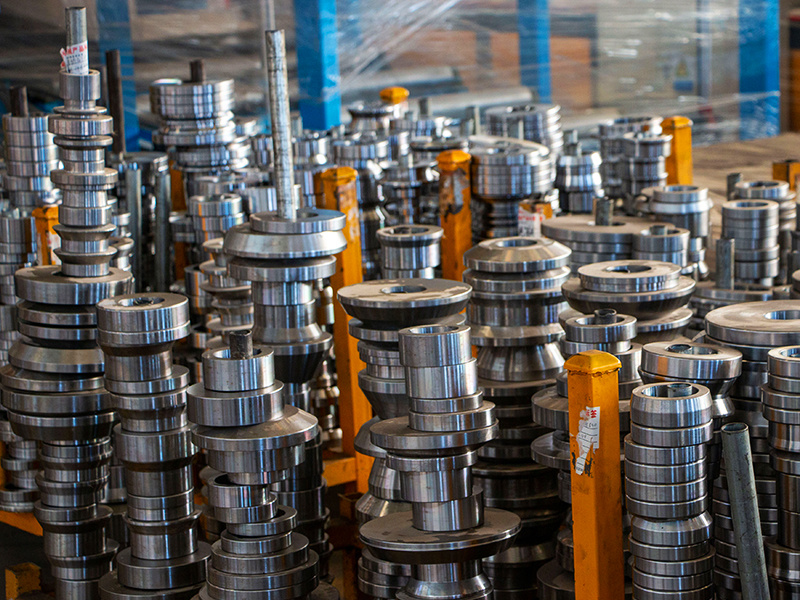
Steel roll forming machines are essential tools in the manufacturing sector, particularly for industries that require precise and efficient metal shaping. These machines transform flat steel sheets into various profiles through a continuous bending process, making them invaluable for producing components used in construction, automotive, and appliance industries.
One of the primary advantages of using a steel roll forming machine is the ability to achieve high production rates with minimal waste. The process involves feeding a flat steel sheet into a series of rollers that gradually shape it into the desired profile. This continuous operation not only increases efficiency but also allows for the creation of complex geometries that would be difficult to achieve with traditional metalworking methods.
When selecting a steel roll forming machine, it is crucial to consider several factors to ensure optimal performance. First, the machine's capacity—both in terms of material thickness and width—should align with the specific needs of your production line. Additionally, the versatility of the machine is important; some models can produce multiple profiles, allowing for greater flexibility in manufacturing.
Another significant consideration is the quality of the rollers and the precision of the forming process. High-quality rollers reduce the risk of defects and ensure consistent output, which is vital for maintaining product standards. Moreover, the machine's setup and adjustment capabilities play a critical role in minimizing downtime and maximizing throughput.
In terms of applications, steel roll forming machines are used to manufacture a wide range of products, including roofing panels, wall panels, gutters, and structural components. Their efficiency and adaptability make them suitable for both small-scale and high-volume production environments.
From a maintenance perspective, regular inspections and upkeep are essential to prolong the lifespan of the machine and ensure consistent performance. Implementing a preventive maintenance schedule can help identify potential issues before they lead to costly downtime.
In conclusion, understanding the functionality and benefits of steel roll forming machines is crucial for professionals in the manufacturing sector. By considering factors such as capacity, versatility, roller quality, and maintenance, manufacturers can make informed decisions that enhance productivity and efficiency in their operations. As industries continue to evolve and demand more sophisticated manufacturing solutions, investing in advanced steel roll forming machines can provide a competitive edge and drive innovation.
Share
Cangzhou Forward Roll Forming Machinery Manufacturing
Telephone: +86 0317 8308862
Mobile: +86 15350786786
WhatsApp:+86 19333087068
E-mail:qianjinfac@gmail.com
Address: China Hebei Cangzhou Botou City 104 National Road East
Website QR Code

Business License