
-
 Become an influential brand in the world industry!
The company was established in 2008 and is located in Botou, Hebei, a famous casting city in China. -
Products
We continue to develop and create high quality but affordable products
The company is divided into two major factory areas in the north and south. -
Push forward without end
Products are widely used in industrial and civil buildings, such as factories, warehouses, gymnasiums, exhibition halls and other houses and walls. The company has a high starting point and an early start in the products of tile pressing forming and high-altitude tile pressing forming operation platform.
language
Understanding Light Gauge Steel Roll Forming Machines: A Comprehensive Guide
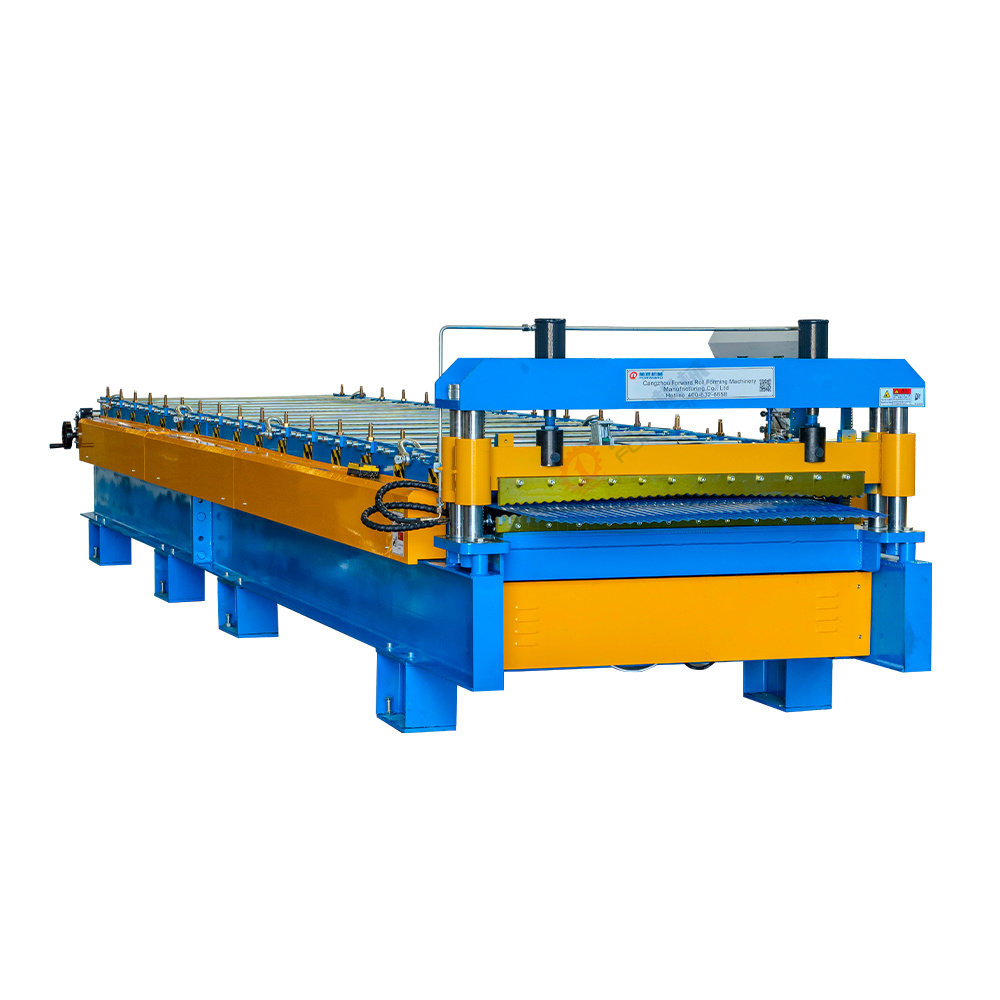
Light gauge steel roll forming machines are pivotal in various manufacturing processes, particularly in the construction sector. These machines are designed to shape thin steel sheets into specific profiles, which are then utilized in a myriad of applications, including building frames, roofing panels, and structural components. Understanding the mechanisms and benefits of light gauge steel roll forming machines can significantly enhance efficiency and productivity in your operations.
The primary function of a light gauge steel roll forming machine is to take flat steel sheets and roll them through a series of forming stations. Each station progressively shapes the metal into the desired profile. This process is particularly advantageous for producing large quantities of uniform components with precision. The machines can be configured to create a wide range of profiles, catering to the specific needs of different projects and industries.
One of the key benefits of using light gauge steel roll forming machines is their ability to produce lightweight yet durable components. Light gauge steel is known for its strength-to-weight ratio, making it an ideal choice for applications where reducing weight without compromising structural integrity is crucial. Additionally, these machines offer a high degree of automation, which translates to reduced labor costs and increased production rates.
Another significant advantage of employing light gauge steel roll forming machines is their ability to minimize waste. The continuous nature of the roll forming process allows for efficient use of materials, with less scrap generated compared to traditional manufacturing methods. This not only contributes to cost savings but also aligns with modern sustainability goals, as reduced waste is a critical factor in environmentally friendly manufacturing practices.
Furthermore, the versatility of light gauge steel roll forming machines means they can be adapted for various applications beyond construction. Industries such as automotive, HVAC, and furniture manufacturing also benefit from these machines, as they can produce specialized components tailored to specific requirements. This adaptability makes them a valuable asset in a wide range of manufacturing environments.
In conclusion, light gauge steel roll forming machines represent a crucial element in the manufacturing process, offering numerous benefits, including efficiency, precision, and versatility. For professionals in the manufacturing and processing machinery sector, investing in this technology can lead to significant enhancements in production capabilities and overall operational effectiveness. By understanding the advantages and applications of these machines, businesses can better position themselves to meet market demands and drive innovation in their respective fields.
The primary function of a light gauge steel roll forming machine is to take flat steel sheets and roll them through a series of forming stations. Each station progressively shapes the metal into the desired profile. This process is particularly advantageous for producing large quantities of uniform components with precision. The machines can be configured to create a wide range of profiles, catering to the specific needs of different projects and industries.
One of the key benefits of using light gauge steel roll forming machines is their ability to produce lightweight yet durable components. Light gauge steel is known for its strength-to-weight ratio, making it an ideal choice for applications where reducing weight without compromising structural integrity is crucial. Additionally, these machines offer a high degree of automation, which translates to reduced labor costs and increased production rates.
Another significant advantage of employing light gauge steel roll forming machines is their ability to minimize waste. The continuous nature of the roll forming process allows for efficient use of materials, with less scrap generated compared to traditional manufacturing methods. This not only contributes to cost savings but also aligns with modern sustainability goals, as reduced waste is a critical factor in environmentally friendly manufacturing practices.
Furthermore, the versatility of light gauge steel roll forming machines means they can be adapted for various applications beyond construction. Industries such as automotive, HVAC, and furniture manufacturing also benefit from these machines, as they can produce specialized components tailored to specific requirements. This adaptability makes them a valuable asset in a wide range of manufacturing environments.
In conclusion, light gauge steel roll forming machines represent a crucial element in the manufacturing process, offering numerous benefits, including efficiency, precision, and versatility. For professionals in the manufacturing and processing machinery sector, investing in this technology can lead to significant enhancements in production capabilities and overall operational effectiveness. By understanding the advantages and applications of these machines, businesses can better position themselves to meet market demands and drive innovation in their respective fields.
Key words:
recommend News
Share
Cangzhou Forward Roll Forming Machinery Manufacturing
Telephone: +86 0317 8308862
Mobile: +86 187 3373 6699
E-mail:info@rollformingmills.com
Skype:james521520
Address: China Hebei Cangzhou Botou City 104 National Road East
Website QR Code

Business License