
-
 Become an influential brand in the world industry!
The company was established in 2008 and is located in Botou, Hebei, a famous casting city in China. -
Products
We continue to develop and create high quality but affordable products
The company is divided into two major factory areas in the north and south. -
Push forward without end
Products are widely used in industrial and civil buildings, such as factories, warehouses, gymnasiums, exhibition halls and other houses and walls. The company has a high starting point and an early start in the products of tile pressing forming and high-altitude tile pressing forming operation platform.
language
Step-by-Step Guide to Choosing the Right Profile Roll Forming Machine
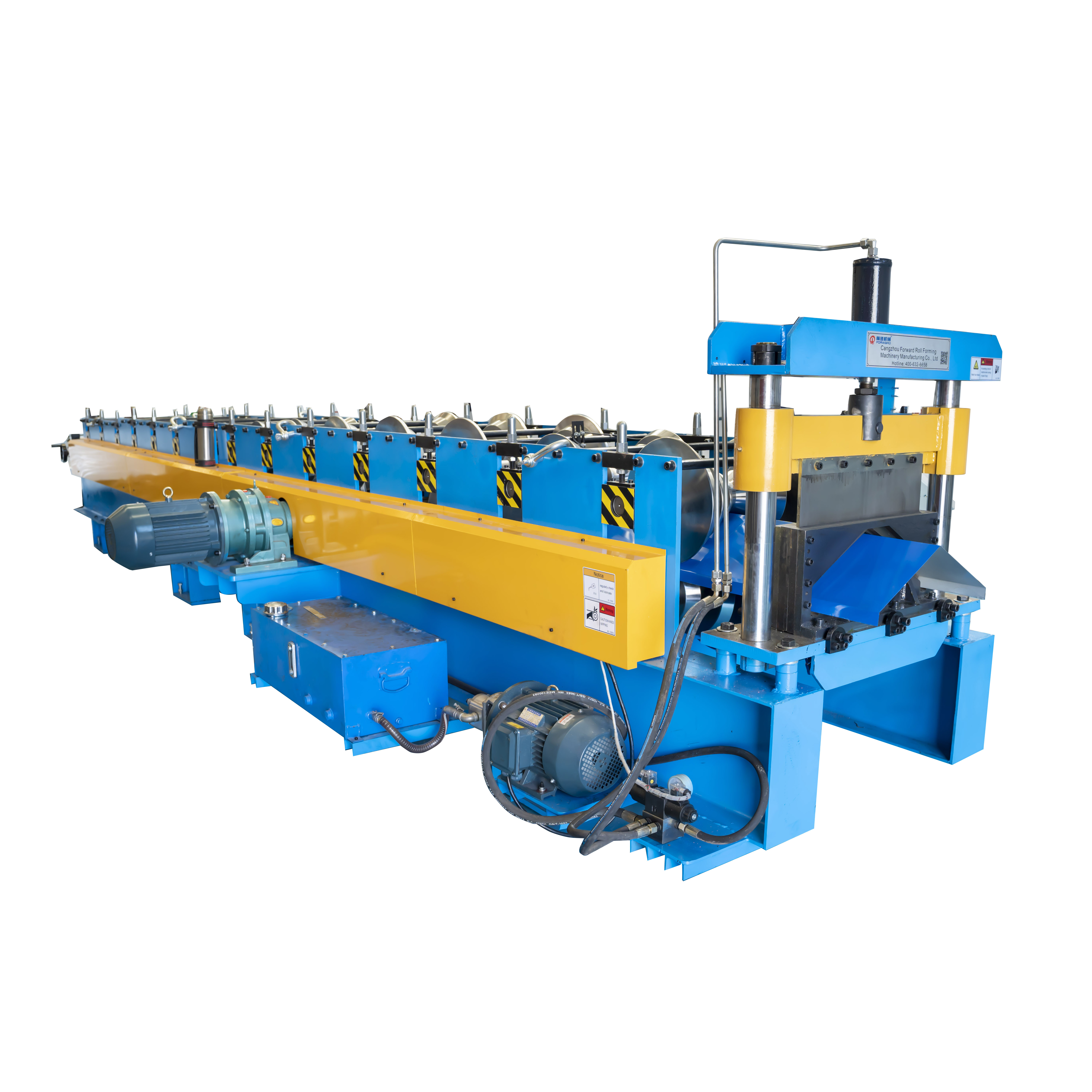
Step-by-Step Guide to Choosing the Right Profile Roll Forming Machine
Table of Contents
- Understanding Profile Roll Forming Machines
- Importance of Selecting the Right Machine
- Key Factors to Consider When Choosing a Profile Roll Forming Machine
- Budget Considerations
- Supplier Research and Evaluation
- Warranties and After-Sales Support
- Common Mistakes to Avoid When Choosing a Machine
- Frequently Asked Questions
Understanding Profile Roll Forming Machines
Profile roll forming machines are specialized equipment designed to create complex shapes and profiles from metal sheets or strips. These machines utilize a continuous process to transform flat metal into precisely shaped profiles through a series of rollers. **Their applications** span across various industries, including construction, automotive, and manufacturing, making them essential tools for businesses aiming for efficiency and precision.
Importance of Selecting the Right Machine
Selecting the right profile roll forming machine can have a significant impact on your production efficiency, product quality, and overall profitability. A well-chosen machine not only minimizes waste and downtime but also meets your specific production needs, enabling you to produce high-quality profiles that stand out in the marketplace. Therefore, the decision-making process should not be underestimated.
Key Factors to Consider When Choosing a Profile Roll Forming Machine
Material Type
The type of material you plan to use in your roll forming process is crucial. Different materials, such as steel, aluminum, or copper, have distinct characteristics that affect the roll forming process. Consider factors like material thickness, strength, and flexibility. **For instance**, if you are working with a thicker material, you will need a more robust machine capable of handling increased pressure and strain.
Production Capacity
Assessing your production capacity needs is vital for selecting the right machine. Determine the volume of profiles you aim to produce daily, weekly, or monthly. Machines come with varying capacities, and choosing one that meets your requirements will help avoid overworking the machine, which can lead to breakdowns and maintenance issues. A machine that can scale with your production needs can also provide long-term benefits.
Machine Design and Configuration
The design and configuration of the profile roll forming machine should align with your specific production requirements. Consider whether you need a single-profile or multi-profile machine. **Additionally**, assess the machine's footprint, as space constraints can influence your decision. A compact design can provide a more efficient workspace without compromising performance.
Automation Level
Automation plays a crucial role in enhancing production efficiency and consistency. Machines with higher levels of automation can reduce labor costs and human error. Evaluate the degree of automation you require, from simple manual operation to fully automated systems with advanced controls and monitoring capabilities. An automated machine can help streamline your workflow, ensuring that you maximize productivity.
Budget Considerations
Your budget will undoubtedly influence your choice of a profile roll forming machine. While it might be tempting to opt for the cheapest option, consider the long-term implications of your investment. **Evaluate the total cost of ownership**, including maintenance, operational costs, and potential downtime. Investing in a higher-quality machine can yield significant savings in the long run, while a lower-cost option may lead to increased expenses due to repairs and inefficiencies.
Supplier Research and Evaluation
Choosing a reliable supplier is as important as selecting the right machine. Take the time to research potential suppliers thoroughly. Look for companies with a solid reputation and proven track record in the industry. **Read customer reviews** and ask for references to gauge their performance. Establishing a good relationship with your supplier can also lead to better support and service, which is crucial for the longevity of your machine.
Warranties and After-Sales Support
When investing in a profile roll forming machine, consider the warranties and after-sales support offered by the supplier. A comprehensive warranty can provide peace of mind, protecting your investment in case of defects or malfunctions. **Furthermore**, assess the type of support available, such as training, maintenance services, and technical assistance. Reliable after-sales support can significantly reduce downtime and improve operational efficiency.
Common Mistakes to Avoid When Choosing a Machine
Choosing a profile roll forming machine comes with its own set of challenges. To make the best decision, avoid the following common mistakes:
1. Ignoring Future Needs
Many buyers focus solely on current requirements without considering future growth. Opting for a machine that can handle potential increases in production or changes in material type can save you from needing an upgrade down the line.
2. Overlooking Maintenance Requirements
It's easy to overlook maintenance considerations in favor of immediate performance metrics. Understanding the maintenance needs of different machines is essential for ensuring long-term efficiency and reliability.
3. Not Testing the Machine
Whenever possible, arrange for a demonstration of the machine before purchasing. Testing the machine in a real-world setting can provide valuable insights into its performance and suitability for your needs.
4. Failing to Request Customization Options
Every manufacturing operation has unique requirements. If the standard machine doesn’t meet your specific needs, inquire about customization options. A tailored machine can lead to better results and improved efficiency.
5. Rushing the Decision-Making Process
Lastly, take your time when making this significant investment. Rushing can lead to costly mistakes. Conduct thorough research and consider all factors before making a final decision.
Frequently Asked Questions
1. What is the typical lifespan of a profile roll forming machine?
The lifespan of a profile roll forming machine can vary significantly based on usage, maintenance, and the quality of the machine itself. Generally, a well-maintained machine can last between 10-20 years.
2. How can I determine the right size of the machine for my needs?
Evaluate your production volume and the dimensions of the profiles you want to produce. Consulting with a specialist or supplier can also help you identify the appropriate machine size.
3. Are there financing options available for purchasing a profile roll forming machine?
Many suppliers offer financing plans or leasing options to make it easier for businesses to acquire machinery. Check with your supplier about available financing options.
4. Can I upgrade my existing machine to improve performance?
In many cases, existing machines can be upgraded with new components or automation features. Discuss your options with your supplier to explore possible enhancements.
5. What safety features should I look for in a profile roll forming machine?
Safety features are crucial for protecting operators and maintaining a safe working environment. Look for machines equipped with emergency stop buttons, safety guards, and sensors.
Conclusion
Choosing the right profile roll forming machine is a critical investment that requires careful consideration of various factors, from material types to production capacity and maintenance needs. By understanding these key components and avoiding common pitfalls, you can make an informed decision that aligns with your manufacturing goals. Remember to conduct thorough research, evaluate suppliers, and consider future needs to ensure that your investment delivers long-term value. With the right machine, you'll be well-equipped to improve your production efficiency and product quality, ultimately positioning your business for success in a competitive market.
Key words:
recommend News
Share
Cangzhou Forward Roll Forming Machinery Manufacturing
Telephone: +86 0317 8308862
Mobile: +86 187 3373 6699
E-mail:info@rollformingmills.com
Skype:james521520
Address: China Hebei Cangzhou Botou City 104 National Road East
Website QR Code

Business License