
-
 Become an influential brand in the world industry!
The company was established in 2008 and is located in Botou, Hebei, a famous casting city in China. -
Products
We continue to develop and create high quality but affordable products
The company is divided into two major factory areas in the north and south. -
Push forward without end
Products are widely used in industrial and civil buildings, such as factories, warehouses, gymnasiums, exhibition halls and other houses and walls. The company has a high starting point and an early start in the products of tile pressing forming and high-altitude tile pressing forming operation platform.
language
Understanding Light Gauge Steel Roll Forming Machines: A Comprehensive Overview
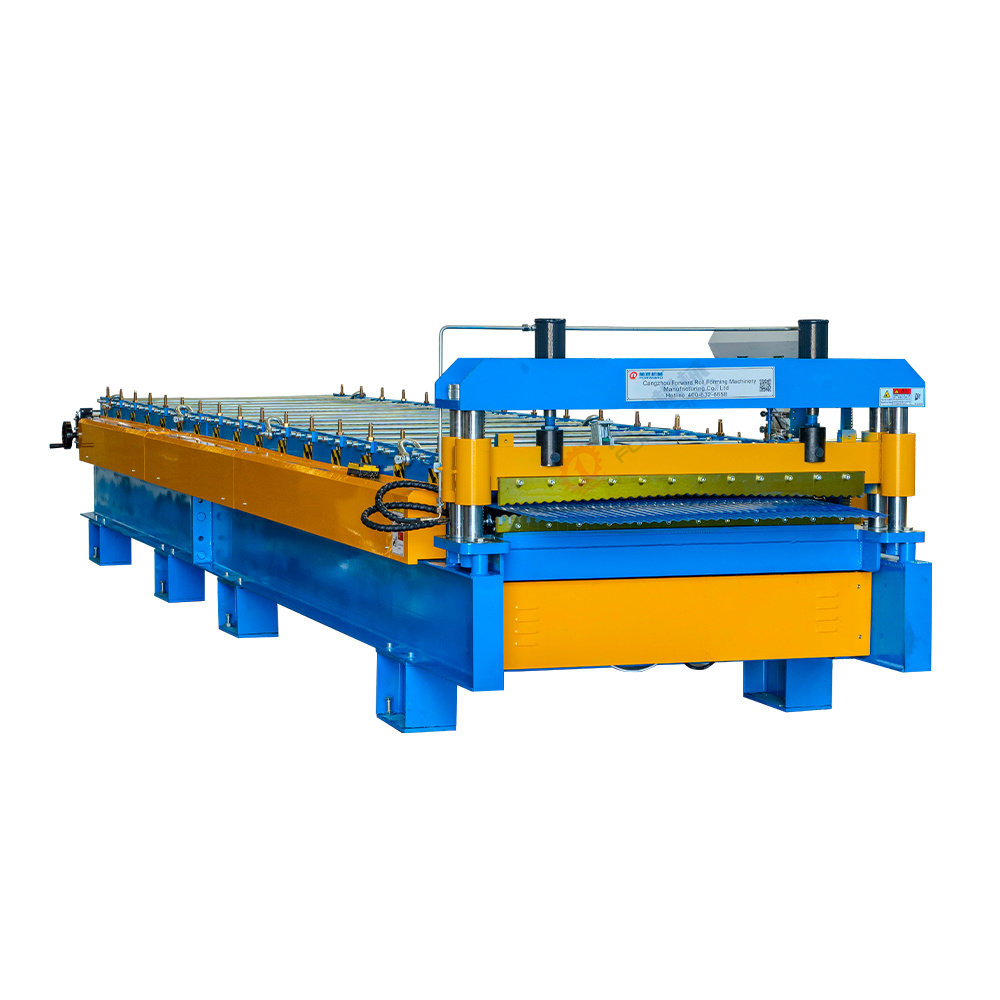
Light gauge steel roll forming machines are vital equipment in the manufacturing sector, particularly in the production of lightweight steel components. These machines are engineered to transform flat steel sheets into specific shapes and profiles through a continuous bending process, making them indispensable for various applications, including construction, automotive, and appliance manufacturing.
One of the primary advantages of light gauge steel roll forming machines is their ability to produce high-quality products with excellent dimensional accuracy. The process begins with feeding flat steel strips into the machine, which then progressively shapes the material as it passes through a series of rollers. This continuous operation not only increases production efficiency but also minimizes material waste, making it a cost-effective solution for manufacturers.
The versatility of these machines allows for the creation of a wide range of profiles, including C-channels, U-channels, and Z-sections, among others. This flexibility enables manufacturers to cater to diverse market needs and customize products according to specific project requirements. Furthermore, light gauge steel is known for its strength-to-weight ratio, making it an ideal choice for structural applications where minimizing weight while maintaining strength is crucial.
In addition to their manufacturing capabilities, light gauge steel roll forming machines are also designed with advanced technology to ensure ease of operation. Many modern machines are equipped with automated controls and software that streamline the production process, allowing for quick adjustments and optimal performance. This technological integration significantly reduces the likelihood of human error, thereby enhancing overall production quality.
Maintenance is another critical aspect when utilizing light gauge steel roll forming machines. Regular inspections and upkeep are necessary to ensure that the machinery operates efficiently and safely. This includes checking for wear and tear on the rollers, lubricating moving parts, and ensuring that all electronic components are functioning correctly. By adhering to a comprehensive maintenance schedule, manufacturers can extend the lifespan of their equipment and avoid costly downtime.
Moreover, the use of light gauge steel components aligns with sustainable manufacturing practices. Steel is recyclable, and using lightweight materials can contribute to energy savings in transportation and construction. As industries shift towards more sustainable practices, incorporating light gauge steel roll forming machines into production processes can be a strategic move.
In conclusion, light gauge steel roll forming machines play a crucial role in the manufacturing landscape by providing efficient, flexible, and sustainable solutions for producing high-quality steel components. Their innovative design and technology advancements not only enhance production capabilities but also support manufacturers in meeting the evolving demands of the market. Investing in such machinery can lead to improved operational efficiency and a competitive edge in the manufacturing sector.
One of the primary advantages of light gauge steel roll forming machines is their ability to produce high-quality products with excellent dimensional accuracy. The process begins with feeding flat steel strips into the machine, which then progressively shapes the material as it passes through a series of rollers. This continuous operation not only increases production efficiency but also minimizes material waste, making it a cost-effective solution for manufacturers.
The versatility of these machines allows for the creation of a wide range of profiles, including C-channels, U-channels, and Z-sections, among others. This flexibility enables manufacturers to cater to diverse market needs and customize products according to specific project requirements. Furthermore, light gauge steel is known for its strength-to-weight ratio, making it an ideal choice for structural applications where minimizing weight while maintaining strength is crucial.
In addition to their manufacturing capabilities, light gauge steel roll forming machines are also designed with advanced technology to ensure ease of operation. Many modern machines are equipped with automated controls and software that streamline the production process, allowing for quick adjustments and optimal performance. This technological integration significantly reduces the likelihood of human error, thereby enhancing overall production quality.
Maintenance is another critical aspect when utilizing light gauge steel roll forming machines. Regular inspections and upkeep are necessary to ensure that the machinery operates efficiently and safely. This includes checking for wear and tear on the rollers, lubricating moving parts, and ensuring that all electronic components are functioning correctly. By adhering to a comprehensive maintenance schedule, manufacturers can extend the lifespan of their equipment and avoid costly downtime.
Moreover, the use of light gauge steel components aligns with sustainable manufacturing practices. Steel is recyclable, and using lightweight materials can contribute to energy savings in transportation and construction. As industries shift towards more sustainable practices, incorporating light gauge steel roll forming machines into production processes can be a strategic move.
In conclusion, light gauge steel roll forming machines play a crucial role in the manufacturing landscape by providing efficient, flexible, and sustainable solutions for producing high-quality steel components. Their innovative design and technology advancements not only enhance production capabilities but also support manufacturers in meeting the evolving demands of the market. Investing in such machinery can lead to improved operational efficiency and a competitive edge in the manufacturing sector.
recommend News
Share
Cangzhou Forward Roll Forming Machinery Manufacturing
Telephone: +86 0317 8308862
Mobile: +86 187 3373 6699
E-mail:info@rollformingmills.com
Skype:james521520
Address: China Hebei Cangzhou Botou City 104 National Road East
Website QR Code

Business License