
-
 Become an influential brand in the world industry!
The company was established in 2008 and is located in Botou, Hebei, a famous casting city in China. -
Products
We continue to develop and create high quality but affordable products
The company is divided into two major factory areas in the north and south. -
Push forward without end
Products are widely used in industrial and civil buildings, such as factories, warehouses, gymnasiums, exhibition halls and other houses and walls. The company has a high starting point and an early start in the products of tile pressing forming and high-altitude tile pressing forming operation platform.
language
Understanding Steel Roll Forming Machines: A Comprehensive Guide
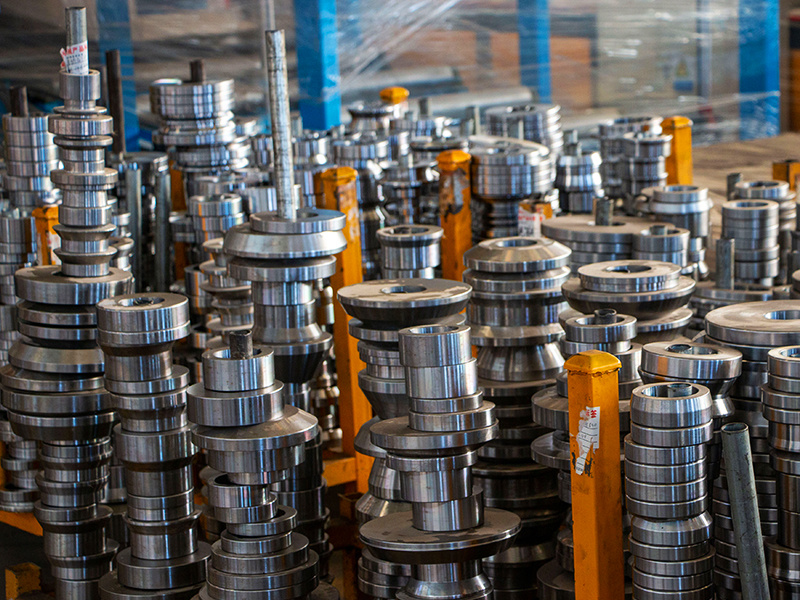
Steel roll forming machines are vital tools in the manufacturing and processing industry, particularly for producing various metal components. These machines are designed to transform flat steel sheets into complex shapes through a continuous bending operation. The process begins with feeding a flat sheet of steel into a series of rollers that gradually shape the material into the desired profile. The precision and efficiency of steel roll forming machines make them ideal for high-volume production, where consistency and speed are paramount.
One of the main advantages of using steel roll forming machines is their ability to create a wide variety of profiles. These can include structural components such as channels, angles, and Z-sections, which are commonly used in construction, automotive, and other manufacturing applications. The versatility of these machines allows manufacturers to produce customized shapes that meet specific project requirements, thereby enhancing their competitive edge.
In addition to flexibility, steel roll forming machines also offer several operational benefits. They typically require less floor space compared to other manufacturing processes due to their compact design. Moreover, the continuous nature of the roll forming process leads to minimal waste, making it a more sustainable option for metal fabrication. This efficiency not only reduces material costs but also contributes to a lower environmental impact.
Another crucial aspect to consider when looking into steel roll forming machines is the material used. While steel is the primary material processed, these machines can also handle other metals like aluminum and copper, depending on the design and specifications. The choice of material affects not only the machine's performance but also the end product's durability and suitability for various applications.
Maintenance is also a significant consideration when operating steel roll forming machines. Regular inspections and upkeep are necessary to ensure optimal performance and longevity. Operators should be trained to recognize signs of wear or misalignment, as these can lead to production inefficiencies and increased downtime.
In summary, steel roll forming machines are indispensable in the manufacturing sector, providing a combination of versatility, efficiency, and precision. By understanding their capabilities and maintenance needs, businesses can leverage this technology to enhance their production processes and meet the evolving demands of the market. Whether you're looking to produce standard profiles or custom shapes, investing in a steel roll forming machine may offer the solution you need to stay competitive in today's dynamic industry landscape.
Key words:
Share
Cangzhou Forward Roll Forming Machinery Manufacturing
Telephone: +86 0317 8308862
Mobile: +86 15350786786
WhatsApp:+86 19333087068
E-mail:qianjinfac@gmail.com
Address: China Hebei Cangzhou Botou City 104 National Road East
Website QR Code

Business License