
-
 Become an influential brand in the world industry!
The company was established in 2008 and is located in Botou, Hebei, a famous casting city in China. -
Products
We continue to develop and create high quality but affordable products
The company is divided into two major factory areas in the north and south. -
Push forward without end
Products are widely used in industrial and civil buildings, such as factories, warehouses, gymnasiums, exhibition halls and other houses and walls. The company has a high starting point and an early start in the products of tile pressing forming and high-altitude tile pressing forming operation platform.
language
Understanding Panel Roll Former Machines: A Comprehensive Guide
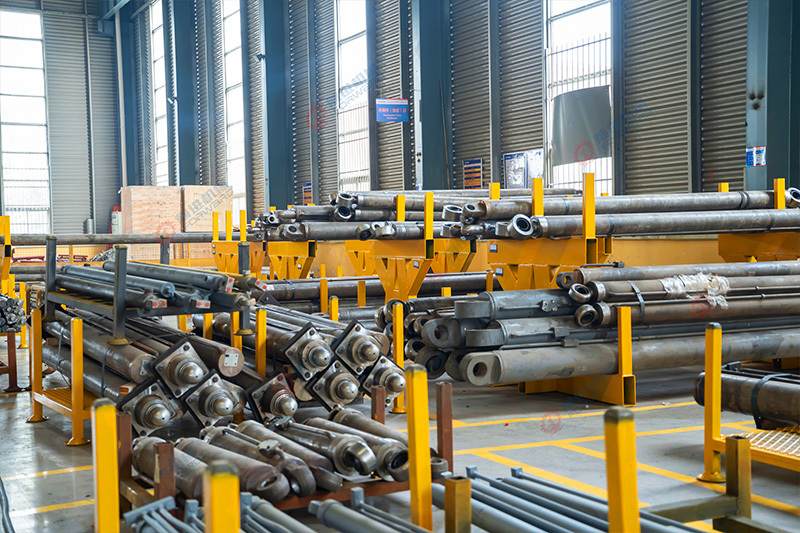
Panel roll former machines are crucial tools in the manufacturing and processing industry, particularly in the production of metal panels for various applications. These machines are designed to transform flat metal sheets into specific shapes and profiles, which are then used in construction, automotive, and appliance manufacturing. Understanding how panel roll former machines operate and their benefits can significantly enhance production efficiency and quality.
One of the key functions of a panel roll former machine is its ability to create consistent and precise profiles. Using a series of rollers, the machine gradually bends and shapes a metal sheet into the desired form. This process is highly efficient, allowing for rapid production rates compared to traditional manufacturing methods. For businesses looking to increase output while minimizing labor costs, investing in a panel roll former machine can lead to significant operational improvements.
Additionally, the versatility of panel roll former machines makes them an attractive choice for manufacturers. These machines can be customized to produce a wide range of panel designs, including standing seam roofs, wall panels, and insulated panels. This adaptability allows manufacturers to cater to diverse market needs and respond quickly to changing consumer demands.
Another advantage of using panel roll former machines is the reduction of material waste. Since these machines operate with high precision, they can minimize the excess material produced during the shaping process. This not only leads to cost savings but also supports sustainability efforts by reducing the environmental impact of manufacturing operations.
Moreover, the technology integrated into modern panel roll former machines often includes automation features, such as programmable controls and sensors. These advancements help in quality control by ensuring that each panel produced meets the specified dimensions and tolerances. Automated systems can also reduce the likelihood of human error, further improving the overall quality of the output.
Maintenance is a crucial aspect to consider when operating a panel roll former machine. Regular upkeep and inspections are necessary to ensure the machine operates at peak performance. This includes checking for wear and tear on the rollers and ensuring that the cutting blades are sharp and functioning properly. By adhering to a maintenance schedule, manufacturers can extend the lifespan of their equipment and avoid costly downtime.
In conclusion, panel roll former machines play a vital role in the manufacturing sector, offering efficiency, versatility, and waste reduction. Understanding their functionality and benefits can help manufacturers optimize their production processes and maintain competitiveness in the ever-evolving market landscape. Whether you're considering investing in new machinery or looking to improve existing operations, panel roll former machines are worth exploring for their potential to enhance overall productivity.
One of the key functions of a panel roll former machine is its ability to create consistent and precise profiles. Using a series of rollers, the machine gradually bends and shapes a metal sheet into the desired form. This process is highly efficient, allowing for rapid production rates compared to traditional manufacturing methods. For businesses looking to increase output while minimizing labor costs, investing in a panel roll former machine can lead to significant operational improvements.
Additionally, the versatility of panel roll former machines makes them an attractive choice for manufacturers. These machines can be customized to produce a wide range of panel designs, including standing seam roofs, wall panels, and insulated panels. This adaptability allows manufacturers to cater to diverse market needs and respond quickly to changing consumer demands.
Another advantage of using panel roll former machines is the reduction of material waste. Since these machines operate with high precision, they can minimize the excess material produced during the shaping process. This not only leads to cost savings but also supports sustainability efforts by reducing the environmental impact of manufacturing operations.
Moreover, the technology integrated into modern panel roll former machines often includes automation features, such as programmable controls and sensors. These advancements help in quality control by ensuring that each panel produced meets the specified dimensions and tolerances. Automated systems can also reduce the likelihood of human error, further improving the overall quality of the output.
Maintenance is a crucial aspect to consider when operating a panel roll former machine. Regular upkeep and inspections are necessary to ensure the machine operates at peak performance. This includes checking for wear and tear on the rollers and ensuring that the cutting blades are sharp and functioning properly. By adhering to a maintenance schedule, manufacturers can extend the lifespan of their equipment and avoid costly downtime.
In conclusion, panel roll former machines play a vital role in the manufacturing sector, offering efficiency, versatility, and waste reduction. Understanding their functionality and benefits can help manufacturers optimize their production processes and maintain competitiveness in the ever-evolving market landscape. Whether you're considering investing in new machinery or looking to improve existing operations, panel roll former machines are worth exploring for their potential to enhance overall productivity.
Key words:
Previous Page
Previous Page:
recommend News
Share

Cangzhou Forward Roll Forming Machinery Manufacturing
Telephone: +86 0317 8308862
Mobile: +86 187 3373 6699
E-mail:info@rollformingmills.com
Skype:james521520
Address: China Hebei Cangzhou Botou City 104 National Road East
Website QR Code

Business License