
-
 Become an influential brand in the world industry!
The company was established in 2008 and is located in Botou, Hebei, a famous casting city in China. -
Products
We continue to develop and create high quality but affordable products
The company is divided into two major factory areas in the north and south. -
Push forward without end
Products are widely used in industrial and civil buildings, such as factories, warehouses, gymnasiums, exhibition halls and other houses and walls. The company has a high starting point and an early start in the products of tile pressing forming and high-altitude tile pressing forming operation platform.
language
Unlocking the Potential of Panel Roll Former Machines: A Comprehensive Exploration
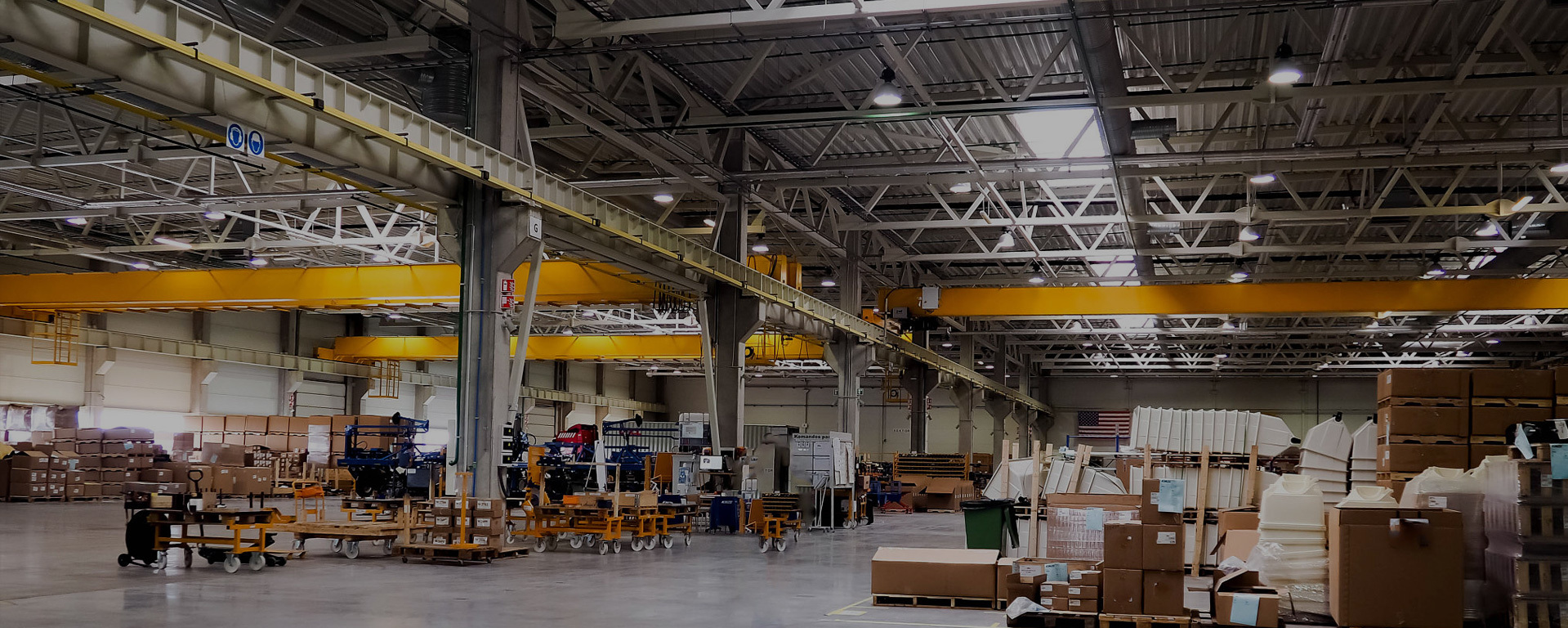
Exploring the Versatility of Panel Roll Former Machines
Introduction to Panel Roll Former Machines
Panel roll former machines are remarkable devices that have transformed the manufacturing landscape. By converting flat metal sheets into shaped panels, these machines play a crucial role in various industries such as construction, automotive, and appliance manufacturing. Their ability to produce high-quality, consistent products at an efficient pace makes them a favorite among manufacturers globally.
The Importance of Panel Roll Formers in Manufacturing
Panel roll forming is not just about bending metal; it is an intricate process that involves precision engineering and advanced technology. In a competitive market, the efficiency and versatility of panel roll former machines can significantly enhance production capabilities. Understanding the key aspects of these machines can help businesses optimize their operations.
How Panel Roll Forming Works
The process of roll forming involves feeding a flat metal sheet through a series of rollers, which gradually shape the material into a desired profile. This continuous process allows for the production of long lengths of material without interruption, making it highly efficient.
Key Components of Panel Roll Former Machines
- **Rollers**: The heart of the forming process, rollers shape the metal as it passes through them. Their design significantly influences the final product's quality.
- **Drive System**: This component powers the rollers and ensures a consistent feed rate, which is critical for maintaining production speed.
- **Cutting Mechanism**: Once the desired length is achieved, the cutting mechanism precisely trims the panel, allowing for quick transitions between production runs.
Diverse Applications of Panel Roll Former Machines
Panel roll formers are not limited to a single industry. Their versatility allows them to be employed in various applications, ensuring they meet the diverse needs of manufacturers.
Construction Industry: Roof and Wall Panels
In the construction industry, panel roll former machines are extensively used to create roofing and wall panels. These panels are essential for both residential and commercial buildings. The ability to produce lightweight, durable panels that offer insulation and aesthetic appeal has made them a favorite choice among builders.
Benefits of Roll-formed Panels in Construction
- **Cost Efficiency**: Roll-formed panels can be produced at a lower cost compared to traditional materials.
- **Durability**: The strength of the steel used in these panels ensures long-lasting performance.
- **Customization**: Manufacturers can easily customize panels to meet specific architectural designs and requirements.
Automotive Industry: Vehicle Components
The automotive industry also benefits from the use of panel roll-forming technology. Components such as chassis parts, body panels, and structural reinforcements are frequently produced using these machines. The precision and repeatability of roll forming ensure that each part meets strict safety and quality standards.
Advantages for Automotive Manufacturing
- **Weight Reduction**: Roll-formed components often weigh less than traditionally manufactured parts, contributing to improved fuel efficiency.
- **Enhanced Strength**: The forming process increases the strength of the metal, which is crucial for safety in automotive applications.
- **Streamlined Production**: The continuous nature of roll forming allows for faster production cycles, which is vital in the fast-paced automotive sector.
Choosing the Right Panel Roll Former Machine
Selecting the ideal panel roll former machine requires careful consideration of various factors. Different manufacturers offer a range of machines tailored to specific applications.
Factors to Consider When Selecting a Machine
- **Material Type**: Ensure the machine can handle the specific type of metal you wish to use, whether it's steel, aluminum, or another material.
- **Production Volume**: Consider your production needs. High-volume operations may require more robust machines with higher output capabilities.
- **Customization Options**: Look for machines that offer flexibility in tooling, allowing for quick changes between different panel designs.
Maintenance and Care of Panel Roll Former Machines
To ensure longevity and optimal performance, regular maintenance of panel roll former machines is essential. This includes lubrication of moving parts, inspection of rollers for wear, and regular cleaning to prevent dust and debris build-up.
Innovative Technologies in Panel Roll Forming
As technology advances, panel roll former machines are becoming increasingly sophisticated. Incorporating innovative features can enhance their efficiency and production capabilities.
Automation in Panel Roll Forming
Automation is a game-changer in the manufacturing industry. Automated panel roll former machines can significantly reduce labor costs and minimize human error. These machines can be integrated with computer numerical control (CNC) systems for precise operations.
The Role of Industry 4.0 in Manufacturing
The integration of Industry 4.0 technologies, such as IoT and AI, is transforming the landscape of panel roll forming. Smart machines can monitor production in real-time, predict maintenance needs, and optimize processes for greater efficiency.
Environmental Considerations in Panel Roll Forming
Sustainability is an increasingly important aspect of manufacturing. Panel roll former machines can contribute to more eco-friendly practices by reducing waste and optimizing material usage.
Recycling and Material Efficiency
The roll forming process generates minimal waste, as it often utilizes the entire sheet of metal. Additionally, manufacturers can recycle scrap metal, further reducing their environmental footprint.
Energy Efficiency in Production
Modern panel roll former machines are designed with energy efficiency in mind, utilizing advanced technologies to lower energy consumption during operation.
Frequently Asked Questions (FAQs)
1. What materials can be used with panel roll former machines?
Panel roll former machines can work with a variety of metals, including steel, aluminum, and copper. The choice of material often depends on the application's requirements.
2. How long does it take to set up a panel roll former machine?
The setup time can vary based on the complexity of the design and the specific machine. Typically, a well-optimized setup can take anywhere from a few hours to a full day.
3. Are there specific maintenance routines for panel roll former machines?
Yes, regular maintenance should include lubrication, inspection of rollers, and cleaning to prevent debris build-up. Following the manufacturer's guidelines is crucial for optimal performance.
4. Can panel roll former machines produce custom designs?
Absolutely! Panel roll former machines can be customized to produce a wide range of designs, allowing manufacturers to meet specific architectural or engineering requirements.
5. What is the average lifespan of a panel roll former machine?
With proper maintenance, a panel roll former machine can last several decades. Regular servicing and upgrades can extend its lifespan significantly.
Conclusion
Panel roll former machines represent a pivotal advancement in manufacturing technology. Their versatility, efficiency, and ability to produce high-quality products make them indispensable in various industries, from construction to automotive. By understanding the unique features and applications of these machines, manufacturers can optimize their operations and stay competitive in a rapidly changing market. Embracing the innovations in panel roll forming technology will not only enhance production capabilities but also contribute to more sustainable manufacturing practices.
Key words:
Previous Page
Previous Page:
recommend News
Share

Cangzhou Forward Roll Forming Machinery Manufacturing
Telephone: +86 0317 8308862
Mobile: +86 187 3373 6699
E-mail:info@rollformingmills.com
Skype:james521520
Address: China Hebei Cangzhou Botou City 104 National Road East
Website QR Code

Business License