
-
 Become an influential brand in the world industry!
The company was established in 2008 and is located in Botou, Hebei, a famous casting city in China. -
Products
We continue to develop and create high quality but affordable products
The company is divided into two major factory areas in the north and south. -
Push forward without end
Products are widely used in industrial and civil buildings, such as factories, warehouses, gymnasiums, exhibition halls and other houses and walls. The company has a high starting point and an early start in the products of tile pressing forming and high-altitude tile pressing forming operation platform.
Panel Roll Former Machines: Essential Factors Every Buyer Should Consider
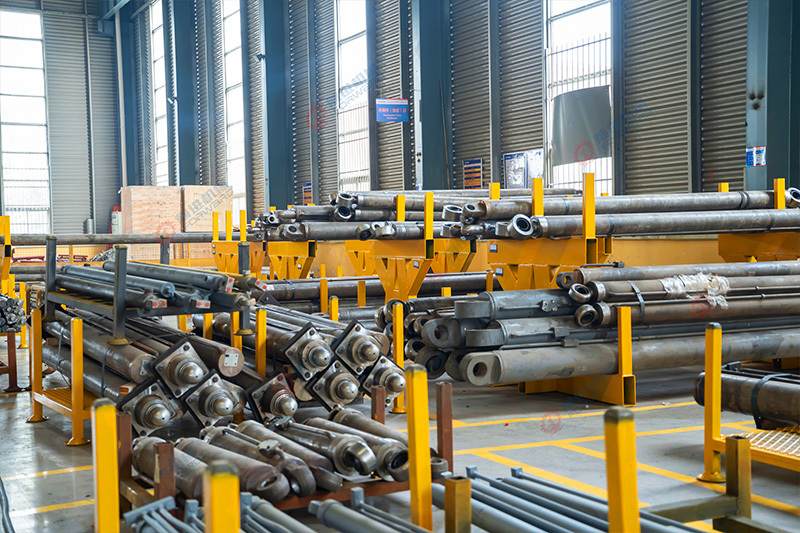
Panel Roll Former Machines: Key Considerations for Buyers
Table of Contents
- Introduction to Panel Roll Former Machines
- Why Invest in Panel Roll Former Machines?
- Key Features of Panel Roll Former Machines
- Different Types of Panel Roll Former Machines
- Understanding Technical Specifications
- Evaluating Suppliers: What to Look For
- Cost Considerations in Buying Panel Roll Former Machines
- Maintenance Tips for Longevity
- Conclusion
- FAQs
Introduction to Panel Roll Former Machines
Panel roll former machines play a pivotal role in the manufacturing sector, particularly in the production of metal panels used in various applications such as roofing, siding, and fencing. These machines are designed to transform flat coils of material into finished panels through a series of precise bending and shaping processes. Understanding the critical aspects of these machines is essential for making an informed purchasing decision.
Why Invest in Panel Roll Former Machines?
Investing in panel roll former machines can significantly enhance productivity and efficiency in your manufacturing operations. Here are several compelling reasons:
- Increased Production Capacity: These machines can operate at high speeds, enabling you to produce more panels in less time.
- Precision Engineering: With advanced technology, panel roll formers ensure high accuracy in dimensions and shapes, reducing waste and errors.
- Diverse Applications: From architectural panels to industrial roofing systems, these machines cater to a wide range of industries.
- Cost-Effectiveness: Long-term savings on labor and material waste make these machines a smart financial investment.
Key Features of Panel Roll Former Machines
When selecting a panel roll former machine, it's crucial to consider its features which can significantly impact your production capabilities:
1. Material Compatibility
Different machines are designed for various materials such as aluminum, steel, or zinc-coated sheets. Ensure that the machine you choose can handle the materials you intend to work with.
2. Speed and Capacity
Evaluate the machine's operating speed and production capacity. This is typically measured in panels produced per hour and can directly influence your output.
3. Customization Options
Many manufacturers offer customizable features that allow you to tailor the machine’s functionalities to your specific production requirements.
4. Automation Features
Advanced machines come equipped with automation features that enhance efficiency, such as automated feeding systems and real-time monitoring capabilities.
5. Safety Features
Safety should be paramount; look for machines with built-in safety mechanisms to protect operators during operation.
Different Types of Panel Roll Former Machines
Understanding the various types of panel roll former machines available can assist you in making an informed choice:
1. Single-Profile Roll Formers
These machines are designed to produce a single panel profile, making them ideal for businesses focused on specific applications.
2. Multi-Profile Roll Formers
These versatile machines can produce multiple panel profiles, offering flexibility for manufacturers that require various products.
3. Portable Roll Formers
Lightweight and compact, these machines can be transported easily to job sites, making them convenient for on-site production.
4. High-Speed Roll Formers
Engineered for maximum efficiency, high-speed roll formers are ideal for large-scale production operations where speed is essential.
Understanding Technical Specifications
Technical specifications can be complex, but they are critical for making the right choice. Key specifications to review include:
1. Roller Material
The material used for the rollers influences the durability and longevity of the machine. Common materials include steel and chrome-plated finishes.
2. Power Requirements
Check the power requirements to ensure your facility can support the machine without additional modifications.
3. Machine Dimensions
Consider the size of the machine in relation to your workspace. Ensure there's enough room for operation and maintenance.
Evaluating Suppliers: What to Look For
Choosing the right supplier is as crucial as selecting the machine itself. Here are essential factors to consider:
1. Reputation in the Industry
Research the supplier’s reputation through customer reviews and testimonials. A well-regarded supplier can offer peace of mind.
2. After-Sales Support
Assess the level of after-sales support provided, including warranty options, availability of spare parts, and customer service responsiveness.
3. Experience and Expertise
Opt for suppliers with extensive experience and technical knowledge in the roll forming industry.
4. Customization Capabilities
A supplier that offers customization can better meet your specific production needs, providing tailored solutions.
Cost Considerations in Buying Panel Roll Former Machines
The cost of panel roll former machines varies widely based on features, specifications, and supplier. Here’s how to approach cost considerations:
1. Initial Investment
Evaluate the upfront cost of the machine in relation to your budget. Ensure the machine's capabilities justify the investment.
2. Operating Costs
Consider ongoing operating costs, including energy consumption, maintenance, and labor. A more efficient machine may save money in the long run.
3. Return on Investment (ROI)
Calculate potential ROI by considering the increased output, reduced waste, and efficiency gains from the new machine.
Maintenance Tips for Longevity
Proper maintenance is essential to ensure the longevity and efficiency of your panel roll former machine. Here are some maintenance tips:
1. Regular Cleaning
Keep the machine clean to prevent material buildup that could affect performance. Regular maintenance schedules should include cleaning all components.
2. Lubrication
Ensure all moving parts are adequately lubricated to reduce friction and wear, prolonging the machine's lifespan.
3. Routine Inspections
Conduct routine inspections to identify potential issues before they escalate. This proactive approach can prevent costly repairs.
Conclusion
Investing in a panel roll former machine is a significant decision that can enhance your manufacturing capabilities. By understanding the key features, types, specifications, and supplier evaluation criteria, you can make an informed choice that meets your production needs. Additionally, considering cost and maintenance factors ensures a sound investment with long-term benefits. Equip your business with the right panel roll former machine, and watch your productivity soar.
Frequently Asked Questions (FAQs)
1. What is a panel roll former machine used for?
A panel roll former machine is used to fabricate metal panels for various applications, including roofing, siding, and industrial structures.
2. How do I choose the right panel roll former machine for my business?
Consider factors such as material compatibility, production capacity, customization options, and supplier reputation when choosing a machine.
3. What maintenance is required for panel roll former machines?
Regular cleaning, lubrication of moving parts, and routine inspections are essential for maintaining the performance and longevity of the machine.
4. Can I customize the features of a panel roll former machine?
Yes, many suppliers offer customization options to tailor the machine's features according to your specific production requirements.
5. What are the cost factors associated with panel roll former machines?
Cost factors include the initial investment, ongoing operating costs, maintenance expenses, and potential return on investment.
Key words:
recommend News
Share

Cangzhou Forward Roll Forming Machinery Manufacturing
Telephone: +86 0317 8308862
Mobile: +86 187 3373 6699
E-mail:info@rollformingmills.com
Skype:james521520
Address: China Hebei Cangzhou Botou City 104 National Road East
Website QR Code