-
 Become an influential brand in the world industry!
The company was established in 2008 and is located in Botou, Hebei, a famous casting city in China. -
Products
We continue to develop and create high quality but affordable products
The company is divided into two major factory areas in the north and south. -
Push forward without end
Products are widely used in industrial and civil buildings, such as factories, warehouses, gymnasiums, exhibition halls and other houses and walls. The company has a high starting point and an early start in the products of tile pressing forming and high-altitude tile pressing forming operation platform.
Understanding Light Gauge Steel Roll Forming Machines: Revolutionizing Modern Manufacturing
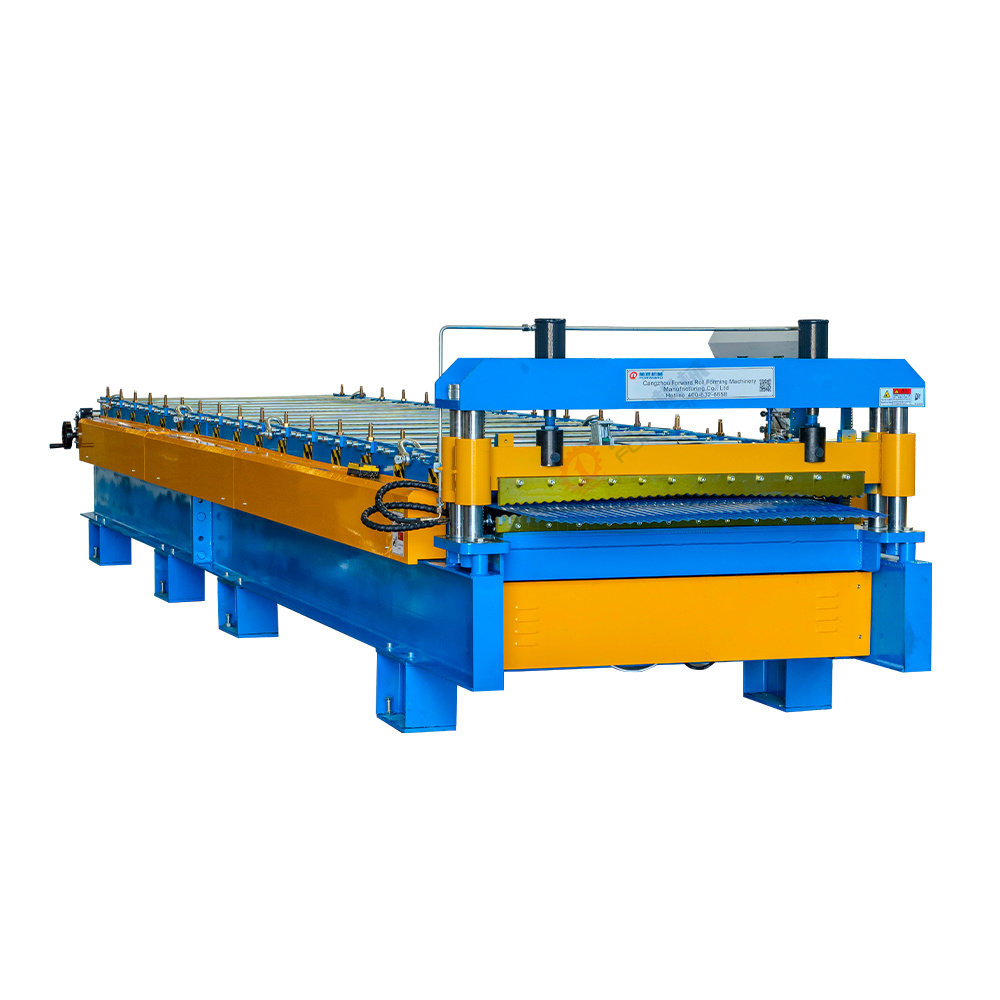
Light gauge steel roll forming machines have emerged as key players in the manufacturing sector, enabling the efficient production of steel components with remarkable accuracy and consistency. These machines are designed to convert flat steel sheets into specific shapes, which are then used in a variety of construction and industrial applications. Understanding the mechanics and benefits of these machines can greatly enhance manufacturing processes and product quality.
The primary function of a light gauge steel roll forming machine is to shape steel strips through a series of rollers. The process begins with feeding flat steel sheets into the machine, where they are progressively shaped as they pass through multiple rollers. Each roller alters the steel’s profile, allowing manufacturers to create intricate designs tailored to specific project requirements. The result is a precisely formed steel component that meets stringent industry standards.
One of the most notable advantages of light gauge steel roll forming machines is their efficiency. Since these machines can operate continuously, they significantly reduce production time compared to traditional fabrication methods. This efficiency not only saves time but also minimizes labor costs, making it a cost-effective solution for manufacturers. Additionally, the automation involved in the roll forming process reduces the likelihood of human error, ensuring consistent quality across all produced components.
Furthermore, these machines are highly versatile. They can be used to create a wide range of products, such as roofing systems, wall panels, and structural components. With the ability to customize designs easily, manufacturers can cater to diverse project specifications, making light gauge steel roll forming machines invaluable in today’s competitive manufacturing landscape.
In terms of material usage, light gauge steel is known for its strength-to-weight ratio. This means that, despite its lightweight nature, light gauge steel can withstand significant loads, making it an ideal choice for various applications. The roll forming process also optimizes material efficiency, as the precise shaping minimizes waste and maximizes the use of raw materials.
Moreover, as industries increasingly shift towards sustainable practices, light gauge steel roll forming machines align with these objectives. Steel is fully recyclable, and the manufacturing process generates minimal waste, contributing to a more sustainable approach to production.
In conclusion, light gauge steel roll forming machines represent a significant advancement in the manufacturing industry. Their efficiency, versatility, and contribution to sustainable practices make them a vital asset for companies looking to enhance their production capabilities. Understanding how these machines work and their benefits can empower manufacturers to make informed decisions that drive growth and innovation in their operations.
Key words:
recommend News
Share
Cangzhou Forward Roll Forming Machinery Manufacturing
Telephone: +86 0317 8308862
Mobile: +86 187 3373 6699
E-mail:info@rollformingmills.com
Skype:james521520
Address: China Hebei Cangzhou Botou City 104 National Road East
Website QR Code