-
 Become an influential brand in the world industry!
The company was established in 2008 and is located in Botou, Hebei, a famous casting city in China. -
Products
We continue to develop and create high quality but affordable products
The company is divided into two major factory areas in the north and south. -
Push forward without end
Products are widely used in industrial and civil buildings, such as factories, warehouses, gymnasiums, exhibition halls and other houses and walls. The company has a high starting point and an early start in the products of tile pressing forming and high-altitude tile pressing forming operation platform.
Understanding Cold Roll Forming Machines: Innovations in Manufacturing
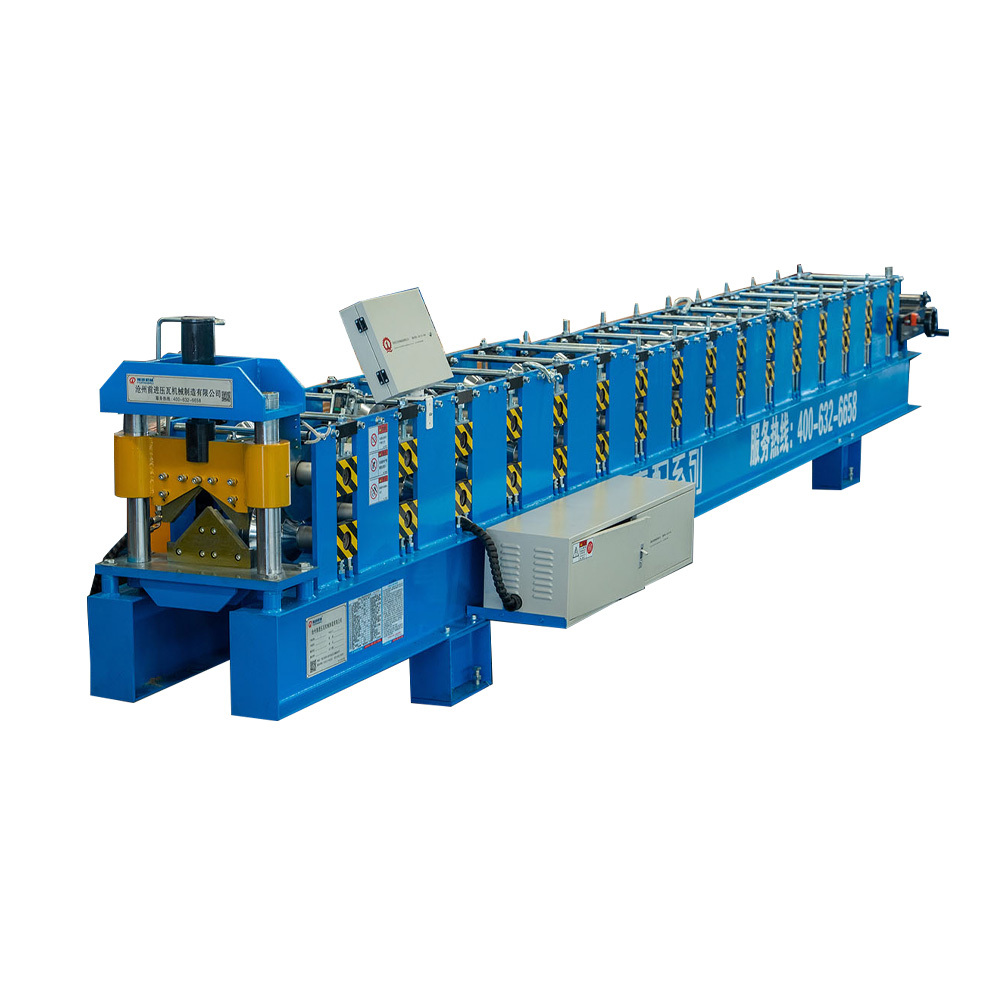
Cold roll forming machines are specialized tools used to shape metal sheets into desired profiles without the application of heat. This process involves feeding a flat strip of metal (often steel or aluminum) through a series of rollers that gradually bend and shape the material into the final configuration. This method is widely utilized in various industries, including automotive, construction, and furniture manufacturing, due to its ability to produce complex shapes with high accuracy.
One of the primary advantages of using cold roll forming machines is their efficiency. The process allows for continuous production, meaning that long lengths of material can be processed in one go, resulting in reduced material waste and lower production costs. Because the metal is not heated, it retains its strength and surface quality, which is particularly important for applications where structural integrity is crucial.
In addition to efficiency, cold roll forming machines also excel in customization. Manufacturers can easily design and create specific profiles tailored to their clients' needs. This flexibility is essential in industries where standard components may not meet specific design requirements. With the aid of advanced software and design tools, manufacturers can simulate the roll forming process, optimizing the design before production begins.
Moreover, cold roll forming technology has been enhanced by innovations in automation and control systems. Modern machines often feature programmable controls that allow for quick changes in production setups, enabling manufacturers to switch between different product lines with minimal downtime. This adaptability is becoming increasingly important in today's fast-paced market, where customer demands can shift rapidly.
The cold roll forming process also contributes to sustainability in manufacturing. By optimizing material usage and reducing waste, companies can lower their environmental impact. Furthermore, the cold forming process consumes less energy compared to hot forming methods, making it a more environmentally friendly option.
In conclusion, cold roll forming machines represent a significant advancement in the manufacturing sector. Their combination of efficiency, precision, and adaptability makes them an invaluable asset for companies looking to enhance their production capabilities. As technology continues to evolve, the potential applications of cold roll forming are likely to expand, offering even more opportunities for innovation and growth in various industries. Understanding the benefits and workings of cold roll forming machines is essential for professionals in the manufacturing field, as it can lead to improved operational strategies and product offerings.
Key words:
recommend News
Share
Cangzhou Forward Roll Forming Machinery Manufacturing
Telephone: +86 0317 8308862
Mobile: +86 187 3373 6699
E-mail:info@rollformingmills.com
Skype:james521520
Address: China Hebei Cangzhou Botou City 104 National Road East
Website QR Code