-
 Become an influential brand in the world industry!
The company was established in 2008 and is located in Botou, Hebei, a famous casting city in China. -
Products
We continue to develop and create high quality but affordable products
The company is divided into two major factory areas in the north and south. -
Push forward without end
Products are widely used in industrial and civil buildings, such as factories, warehouses, gymnasiums, exhibition halls and other houses and walls. The company has a high starting point and an early start in the products of tile pressing forming and high-altitude tile pressing forming operation platform.
Unlocking Efficiency: The Benefits of Using a Cold Roll Forming Machine
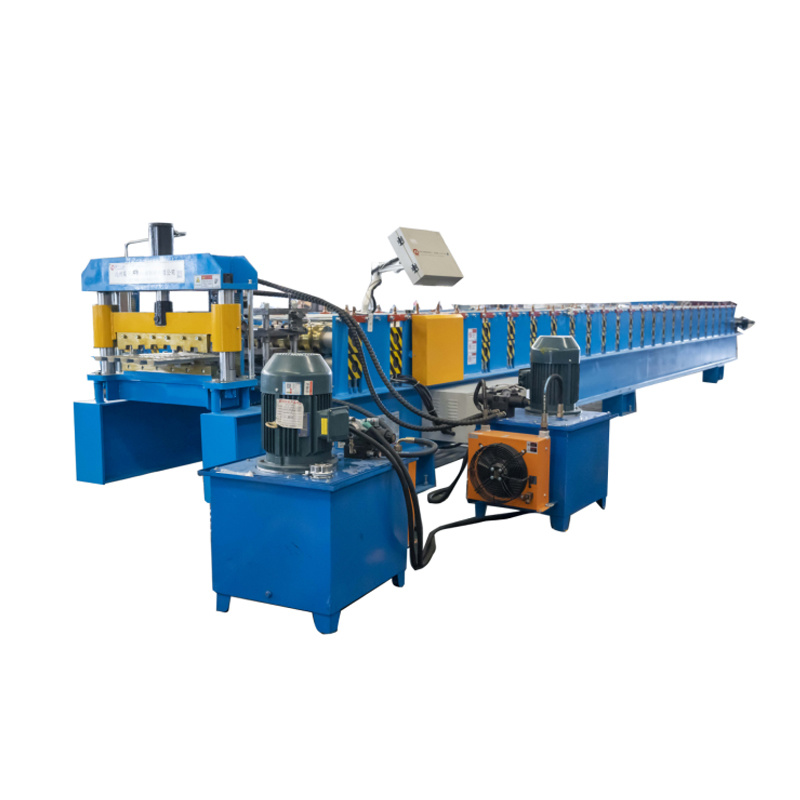
Unlocking Efficiency: The Benefits of Using a Cold Roll Forming Machine
Introduction to Cold Roll Forming Technology
Cold roll forming is a manufacturing process that involves the gradual bending of flat metal sheets into desired shapes at room temperature. Unlike traditional metal forming techniques, cold roll forming offers superior precision, reduced waste, and enhanced structural integrity. This article delves into the advantages of using a cold roll forming machine and how it can optimize your manufacturing operations.
Table of Contents
- Understanding Cold Roll Forming: A Detailed Overview
- Key Benefits of Cold Roll Forming Machines
- Applications of Cold Roll Forming in Various Industries
- Comparison with Other Manufacturing Processes
- Maintaining Operational Efficiency: Tips for Cold Roll Forming Machines
- Technological Advancements in Cold Roll Forming
- Investing in Cold Roll Forming Machines: What You Need to Know
- Frequently Asked Questions
- Conclusion
Understanding Cold Roll Forming: A Detailed Overview
Cold roll forming is a sophisticated process that manipulates metal sheets into precise profiles using a series of rollers. This method relies on the principles of continuous bending, where a flat strip of metal passes through a set of rollers that progressively shape the material. The versatility of cold roll forming allows it to create a wide range of products, from simple components to complex structures.
The process begins with feeding flat metal strips—often made from steel, aluminum, or other alloys—into the machine. As the strip moves through the rollers, it undergoes deformation, gradually taking on the desired shape. This technique not only minimizes waste by utilizing the entire length of the metal strip but also enhances the strength of the finished product, reducing the risk of defects.
Key Benefits of Cold Roll Forming Machines
1. Enhanced Efficiency and Speed
One of the primary advantages of cold roll forming machines is their ability to produce high volumes of parts quickly. The continuous nature of the process minimizes downtime, allowing manufacturers to meet tight production deadlines without sacrificing quality. This increased speed is particularly beneficial in industries where time is of the essence.
2. Precision and Consistency
Cold roll forming machines deliver exceptional precision, ensuring that each part is manufactured to exact specifications. The use of computer numerical control (CNC) technology further enhances this accuracy, allowing for intricate designs and consistent results across large production runs. Manufacturers can achieve tight tolerances and uniformity, which is essential for high-performance applications.
3. Material Efficiency
Unlike other manufacturing processes that may involve significant waste, cold roll forming optimizes material usage. The process allows for the creation of complex shapes with minimal scrap. This not only reduces material costs but also contributes to more sustainable manufacturing practices by minimizing waste.
4. Improved Structural Integrity
Cold roll forming enhances the mechanical properties of the metal being shaped. The process induces work hardening, which increases the strength and durability of the final product. This makes cold-formed components ideal for applications where structural integrity is critical, such as in the automotive and construction industries.
5. Versatility in Design
Cold roll forming can produce an array of shapes and profiles, making it a versatile choice for various applications. From simple angles and channels to complex sections, the ability to create custom designs without the need for extensive tooling makes cold roll forming an attractive option for manufacturers looking to innovate.
Applications of Cold Roll Forming in Various Industries
Cold roll forming machines are utilized across a wide range of industries, showcasing their adaptability and efficiency. Here are some key sectors benefiting from this technology:
1. Automotive Industry
The automotive sector frequently employs cold roll forming for producing components such as chassis parts, bumpers, and structural reinforcements. The precision and strength of cold-formed parts contribute to vehicle safety and performance.
2. Construction and Architecture
In construction, cold roll forming is used to create steel framing, roofing systems, and other structural components. The lightweight yet strong profiles enhance the overall stability of buildings while facilitating quicker assembly.
3. Electrical and Lighting Fixtures
Cold roll forming machines also produce components for electrical conduits, lighting fixtures, and HVAC systems. The ability to shape metals into functional designs allows for the efficient manufacturing of essential infrastructure components.
4. Agricultural Equipment
Agricultural machinery often utilizes cold-formed parts due to their durability and strength. Components like frames, brackets, and reinforcements benefit from the enhanced properties achieved through the cold roll forming process.
5. Furniture and Appliance Manufacturing
In the furniture and appliance industries, cold roll forming is utilized for producing support structures, brackets, and decorative elements. The versatility in design allows manufacturers to create aesthetically pleasing products with robust functionality.
Comparison with Other Manufacturing Processes
Cold roll forming can be compared to other metalworking methods, such as stamping and machining, to highlight its unique advantages.
1. Cold Roll Forming vs. Stamping
While stamping is effective for high-volume production, it often involves more waste material and may require extensive tooling changes for different designs. Cold roll forming, on the other hand, allows for quicker adjustments and creates less scrap material, making it a more cost-effective option for many applications.
2. Cold Roll Forming vs. Machining
Machining processes often lead to material removal, which can result in significant waste. Cold roll forming, however, retains the vast majority of the original material, enhancing efficiency. Additionally, machining can be slower and less precise when producing intricate shapes, whereas cold roll forming excels in both areas.
Maintaining Operational Efficiency: Tips for Cold Roll Forming Machines
To maximize the benefits of cold roll forming machines, proper maintenance and operational strategies are essential.
1. Regular Inspections
Conduct routine inspections of the machinery to identify signs of wear and tear. This can prevent unexpected breakdowns and ensure that the machine operates at peak efficiency.
2. Lubrication
Ensure that all moving parts are adequately lubricated. This reduces friction, minimizes wear, and maintains smooth operation, extending the lifespan of the machine.
3. Operator Training
Invest in comprehensive training for operators to enhance their understanding of the machinery and the cold roll forming process. Well-trained staff can identify potential issues early, operate the machines efficiently, and improve overall production quality.
Technological Advancements in Cold Roll Forming
As technology advances, so does the cold roll forming process. Recent innovations include:
1. Computer-Aided Design (CAD) Integration
Modern cold roll forming machines are increasingly integrated with CAD software, allowing for more complex designs and streamlined programming. This integration enhances the speed and accuracy of the production process.
2. Automation and Robotics
Automation has revolutionized production lines, and cold roll forming is no exception. Robotic systems can assist in material handling, reducing the risk of human error and increasing overall efficiency.
3. Advanced Materials
The development of new materials, such as high-strength steels and lightweight alloys, has expanded the capabilities of cold roll forming. Manufacturers can now produce stronger, lighter components that meet the demands of modern applications.
Investing in Cold Roll Forming Machines: What You Need to Know
When considering the investment in cold roll forming technology, several factors should be evaluated:
1. Cost-Benefit Analysis
Conduct a thorough cost-benefit analysis to understand the potential return on investment. Consider factors such as production volume, material savings, and labor costs when evaluating the financial impact.
2. Supplier Reputation
Research reputable suppliers with a history of providing reliable cold roll forming machines. Look for reviews, case studies, and testimonials to gauge their performance.
3. Customization Options
Evaluate whether the machines can be customized to meet specific production requirements. Flexibility in design can offer significant long-term benefits as manufacturing needs evolve.
Frequently Asked Questions
1. What materials can be used in cold roll forming?
Cold roll forming is typically performed on materials like steel, aluminum, and various alloys, allowing for a diverse range of applications.
2. How does cold roll forming compare to hot roll forming?
Cold roll forming is performed at room temperature, which enhances the strength of the material, while hot roll forming involves heating the metal, leading to different mechanical properties.
3. What are the common applications for cold roll forming?
Common applications include automotive components, construction materials, electrical fixtures, and furniture hardware.
4. What is the typical production speed of cold roll forming machines?
Production speed can vary based on the complexity of the part being formed, but cold roll forming machines can produce parts at rates significantly faster than traditional methods.
5. Are cold roll forming machines energy-efficient?
Yes, cold roll forming machines tend to be energy-efficient due to reduced processing times and minimal material waste, contributing to lower operational costs.
Conclusion
The utilization of cold roll forming machines presents a transformative opportunity for manufacturers looking to enhance efficiency, reduce waste, and improve product quality. With their ability to deliver precise and consistent results, these machines are revolutionizing various industries, from automotive to construction. By investing in the latest technology and maintaining operational efficiency, businesses can unlock the full potential of cold roll forming, leading to increased productivity and a competitive edge in the marketplace. Embracing this innovative manufacturing process is not just a trend; it is a strategic move toward a more efficient and sustainable future.
Key words:
Next Page
Next page:
recommend News
Share
Cangzhou Forward Roll Forming Machinery Manufacturing
Telephone: +86 0317 8308862
Mobile: +86 187 3373 6699
E-mail:info@rollformingmills.com
Skype:james521520
Address: China Hebei Cangzhou Botou City 104 National Road East
Website QR Code