
-
 Become an influential brand in the world industry!
The company was established in 2008 and is located in Botou, Hebei, a famous casting city in China. -
Products
We continue to develop and create high quality but affordable products
The company is divided into two major factory areas in the north and south. -
Push forward without end
Products are widely used in industrial and civil buildings, such as factories, warehouses, gymnasiums, exhibition halls and other houses and walls. The company has a high starting point and an early start in the products of tile pressing forming and high-altitude tile pressing forming operation platform.
language
The Transformative Impact of Steel Frame Roll Forming Machines on Sustainable Construction
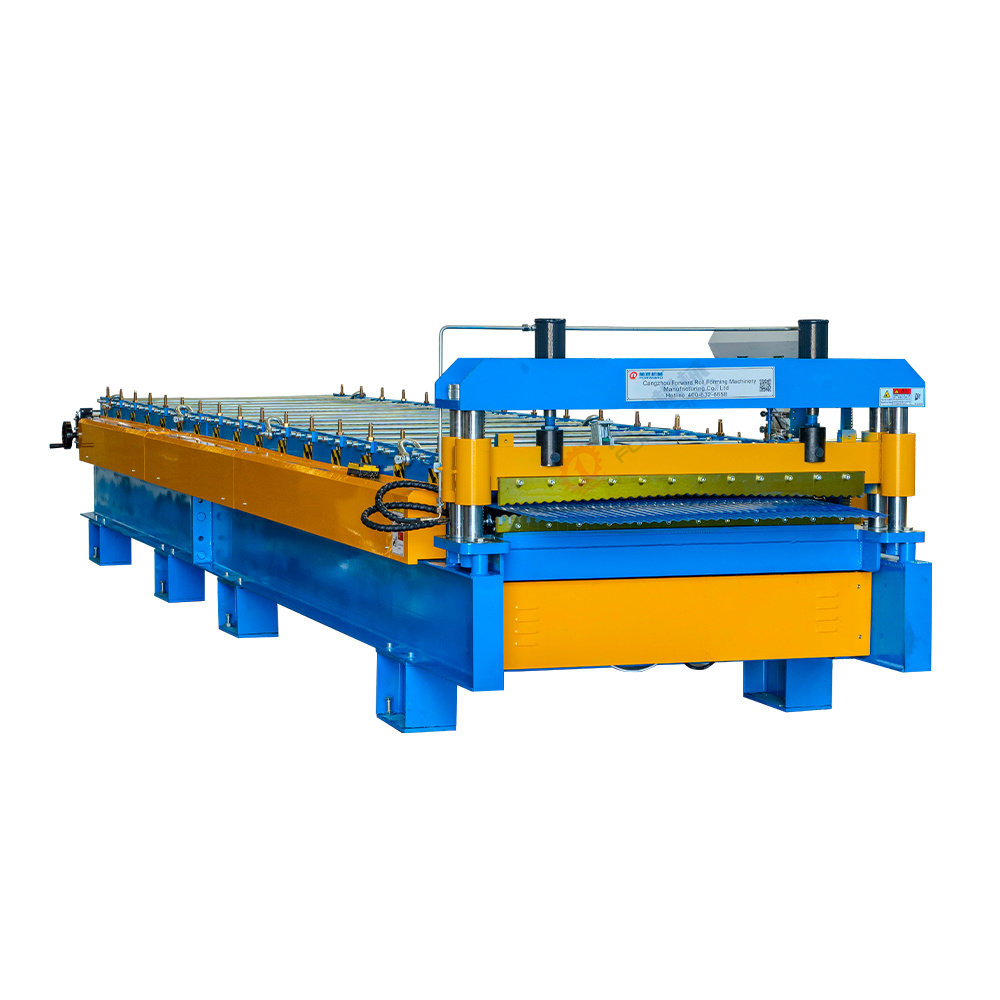
The Transformative Impact of Steel Frame Roll Forming Machines on Sustainable Construction
Table of Contents
- Introduction to Steel Frame Roll Forming Machines
- The Importance of Sustainable Construction
- How Steel Frame Roll Forming Machines Work
- Benefits of Steel Frame Roll Forming Machines in Construction
- Energy Efficiency and Sustainability
- Waste Reduction through Roll Forming Technology
- Design Flexibility and Versatility
- Real-World Case Studies
- The Future of Steel Frame Roll Forming in Sustainable Construction
- FAQs
- Conclusion
Introduction to Steel Frame Roll Forming Machines
Steel frame roll forming machines are essential tools in the construction industry, specifically designed to create steel frames that provide structural support for various building types. These machines excel in producing high-quality, precise steel components efficiently and economically. As the demand for sustainable construction practices grows, the role of these machines becomes increasingly significant.
The Importance of Sustainable Construction
Sustainable construction involves creating buildings that minimize environmental impact while maximizing resource efficiency. This approach not only addresses climate change but also promotes the well-being of occupants and the surrounding community. The construction industry must adapt to these sustainability goals, and steel frame roll forming machines are at the forefront of this transformation. They facilitate the creation of durable structures that utilize materials more efficiently and reduce waste, aligning with current environmental initiatives.
How Steel Frame Roll Forming Machines Work
The roll forming process involves feeding steel coils through a series of rollers, which gradually shape the material into specific profiles. This continuous bending process allows manufacturers to produce long lengths of steel components with uniform cross-sections. Key steps in the roll forming process include:
1. **Coil Preparation**: Steel coils are selected and prepared for the forming process. This includes ensuring the steel meets required specifications.
2. **Feeding**: The prepared coil is fed into the roll forming machine, where it is guided through the rollers.
3. **Forming**: As the steel moves through the rollers, it is progressively shaped into the desired profile.
4. **Cutting**: Once the steel has reached the required length, it is cut to size, ready for transportation and assembly.
5. **Quality Control**: Final inspections are conducted to ensure all components meet quality standards.
This efficient method not only streamlines production but also guarantees consistency in the final products.
Benefits of Steel Frame Roll Forming Machines in Construction
Steel frame roll forming machines offer numerous advantages that contribute to sustainable construction practices. These benefits include:
1. **Speed**: The automated nature of roll forming allows for rapid production, ensuring projects stay on schedule.
2. **Precision**: Advanced technology in roll forming machines ensures high precision in the dimensions and shapes of steel components.
3. **Material Efficiency**: Roll forming minimizes material waste compared to traditional fabrication methods, making it more environmentally friendly.
4. **Cost-Effectiveness**: The efficiency of roll forming translates to lower labor and material costs, benefiting overall project budgets.
5. **Durability**: Steel frames produced through roll forming are robust and resistant to environmental stresses, leading to longer-lasting structures.
Energy Efficiency and Sustainability
One of the significant advantages of using steel frame roll forming machines is their contribution to energy efficiency in construction. Buildings made from steel frames are often more energy-efficient than those constructed with traditional materials. Key factors include:
- **Thermal Performance**: Steel frames can be designed with thermal insulation properties, reducing energy consumption for heating and cooling.
- **Recyclability**: Steel is 100% recyclable, which means that at the end of a building’s life cycle, the materials can be reused without loss of quality, significantly reducing landfill waste.
- **Reduced Transportation Emissions**: The lightweight nature of steel frames allows for more efficient transportation, further decreasing the carbon footprint associated with construction.
Waste Reduction through Roll Forming Technology
Waste reduction is a critical component of sustainable construction. Steel frame roll forming machines contribute to this goal by:
- **Minimizing Scrap**: The roll forming process generates significantly less scrap metal compared to traditional cutting methods, optimizing material usage.
- **Precision Manufacturing**: With tighter tolerances and accurate dimensions, roll forming reduces the need for rework and adjustments, leading to lower waste generation.
Incorporating roll forming in construction projects can lead to a substantial decrease in overall waste, reinforcing the industry's commitment to sustainable practices.
Design Flexibility and Versatility
In modern construction, design flexibility is crucial. Steel frame roll forming machines enable architects and engineers to create innovative designs that meet specific project requirements. The advantages include:
- **Custom Profiles**: The machines can be tailored to produce unique profiles, allowing for greater creativity in designs.
- **Adaptability**: Roll forming can accommodate various construction styles and applications, from residential to commercial buildings.
- **Integration with Other Materials**: Steel frames can be easily integrated with other sustainable materials, enhancing the overall energy efficiency of the building.
This flexibility ensures that construction projects can meet both aesthetic and functional demands without compromising on sustainability.
Real-World Case Studies
Examining real-world applications of steel frame roll forming machines provides valuable insights into their effectiveness in sustainable construction. Here are a few notable examples:
1. **Green Office Building in California**: A recent project utilized steel frame roll forming for its structural components, achieving LEED certification for its energy-efficient design and minimal waste generation.
2. **Modular Housing Development**: Innovative use of roll-formed steel frames allowed for rapid assembly and reduced construction time, resulting in lower costs and environmental impact.
3. **Retail Space Renovation**: A retail store renovation project employed roll forming technology to create custom steel frames that enhanced the aesthetic appeal while maintaining structural integrity.
These case studies highlight the successful integration of steel frame roll forming machines in a variety of sustainable construction projects.
The Future of Steel Frame Roll Forming in Sustainable Construction
Looking ahead, the future of steel frame roll forming machines in sustainable construction appears promising. Advancements in technology are expected to further enhance efficiency and sustainability. Key trends include:
- **Automation and AI**: The incorporation of automation and artificial intelligence will streamline production processes, reduce errors, and enhance overall efficiency.
- **Research and Development**: Continued investment in R&D will lead to innovative materials and techniques, promoting even more sustainable practices in construction.
- **Increased Adoption**: As awareness of sustainability grows, more construction companies are likely to adopt steel frame roll forming machines, further integrating them into their operations.
These developments will not only benefit the construction industry but also contribute to a more sustainable future.
FAQs
1. What are steel frame roll forming machines used for?
Steel frame roll forming machines are used to produce steel frames and components for various construction applications, ensuring precision, efficiency, and durability.
2. How does roll forming contribute to sustainability?
Roll forming reduces material waste, enhances energy efficiency, and allows for recycling, making it a more sustainable option compared to traditional construction methods.
3. Can steel frame roll forming machines create custom designs?
Yes, these machines can be customized to produce various profiles, allowing for flexibility in design and application.
4. What are the benefits of using steel frames in construction?
Steel frames are durable, lightweight, and resistant to environmental stress, contributing to longer-lasting structures and potentially lower maintenance costs.
5. How does the cost of steel frame construction compare to traditional methods?
While initial costs may be higher, the efficiency and durability of steel frame construction often result in lower long-term costs due to reduced labor and maintenance needs.
Conclusion
Steel frame roll forming machines are playing a pivotal role in the evolution of sustainable construction. Their ability to produce high-quality, precise components efficiently underscores their importance in minimizing waste and enhancing energy efficiency. As the industry continues to prioritize sustainability, the adoption of these machines will likely increase, paving the way for innovative building practices that align with environmental goals. By leveraging the benefits of steel frame roll forming technology, we can contribute to a more sustainable future in construction, ensuring that our structures are not only efficient but also environmentally responsible.
Key words:
recommend News
Share
Cangzhou Forward Roll Forming Machinery Manufacturing
Telephone: +86 0317 8308862
Mobile: +86 187 3373 6699
E-mail:info@rollformingmills.com
Skype:james521520
Address: China Hebei Cangzhou Botou City 104 National Road East
Website QR Code

Business License