
-
 Become an influential brand in the world industry!
The company was established in 2008 and is located in Botou, Hebei, a famous casting city in China. -
Products
We continue to develop and create high quality but affordable products
The company is divided into two major factory areas in the north and south. -
Push forward without end
Products are widely used in industrial and civil buildings, such as factories, warehouses, gymnasiums, exhibition halls and other houses and walls. The company has a high starting point and an early start in the products of tile pressing forming and high-altitude tile pressing forming operation platform.
language
An In-Depth Look at the Benefits of Steel Frame Roll Forming Technology
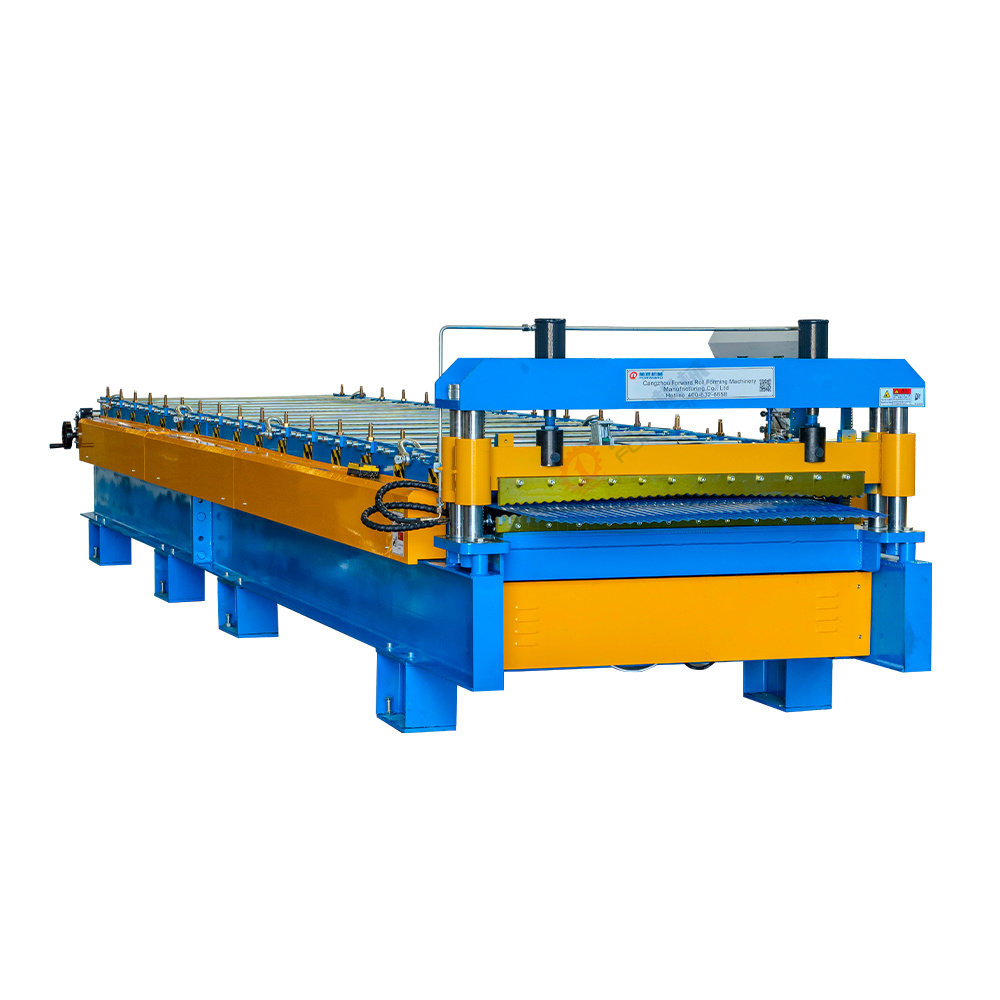
An In-Depth Look at the Benefits of Steel Frame Roll Forming Technology
Table of Contents
- 1. Introduction to Steel Frame Roll Forming Technology
- 2. What is Roll Forming?
- 3. Benefits of Steel Frame Roll Forming Compared to Traditional Methods
- 3.1 Enhanced Efficiency in Production
- 3.2 Cost-Effectiveness and Waste Reduction
- 3.3 Strength and Durability of Steel Frames
- 3.4 Design Flexibility and Customization Options
- 3.5 Sustainability and Environmental Benefits
- 4. Applications of Steel Frame Roll Forming Technology
- 5. Future Trends in Steel Frame Roll Forming
- 6. Frequently Asked Questions
- 7. Conclusion
1. Introduction to Steel Frame Roll Forming Technology
Steel frame roll forming technology is a manufacturing process that involves the continuous bending of steel sheets into desired shapes. This cutting-edge technique is transforming the construction and manufacturing sectors by producing robust, lightweight steel frames that meet various industry needs. As we delve deeper into the benefits of this technology, it becomes evident that it not only enhances production efficiency but also offers numerous advantages for businesses and builders.
2. What is Roll Forming?
Roll forming is a method of shaping metal by passing it through a series of rollers to achieve a specific profile. The process involves using a continuous strip of metal, typically steel, which is fed into a machine designed to gradually shape the material into desired cross-sections. The advantages of roll forming include the ability to produce long lengths of uniform products, high-speed production rates, and reduced waste compared to other manufacturing methods.
3. Benefits of Steel Frame Roll Forming Compared to Traditional Methods
3.1 Enhanced Efficiency in Production
One of the most significant benefits of steel frame roll forming technology is its **enhanced efficiency**. The continuous production process enables manufacturers to achieve high output rates, which reduces lead times significantly. Unlike traditional methods that may require extensive tooling and setup changes, roll forming allows for quick adjustments to accommodate various designs without compromising productivity. This efficiency not only streamlines the manufacturing process but also allows businesses to respond rapidly to market demands.
3.2 Cost-Effectiveness and Waste Reduction
**Cost-effectiveness** is another compelling advantage of steel frame roll forming technology. By utilizing steel sheets, manufacturers can create products with minimal waste. The roll forming process generates scrap metal at a much lower rate compared to other methods, such as punching or shearing. Additionally, the durability of steel frames means they often require less maintenance and replacement over time, leading to lower overall costs for builders and end-users.
3.3 Strength and Durability of Steel Frames
Steel is renowned for its **strength and durability**, making it an ideal material for construction applications. Steel frame roll forming technology produces frames that can withstand harsh environmental conditions and heavy loads. This robustness translates to higher safety standards in construction, as buildings and structures constructed with steel frames are less susceptible to damage from natural disasters, such as earthquakes and hurricanes.
3.4 Design Flexibility and Customization Options
The versatility of steel frame roll forming technology allows for **design flexibility** and extensive customization. Manufacturers can create a wide range of profiles and shapes, catering to specific architectural requirements and aesthetic preferences. This adaptability means that builders can achieve unique designs without the constraints often associated with traditional methods. Moreover, the technology can accommodate both large-scale projects and smaller, specialized applications.
3.5 Sustainability and Environmental Benefits
As the construction industry increasingly shifts toward sustainability, steel frame roll forming technology aligns with these principles by promoting **environmental benefits**. Steel is 100% recyclable, which means that steel frames can be repurposed at the end of their lifecycle, minimizing landfill waste. Additionally, the efficiency of the roll forming process reduces energy consumption and emissions associated with production, making it a more eco-friendly choice for builders.
4. Applications of Steel Frame Roll Forming Technology
Steel frame roll forming technology has a broad range of applications across various sectors. Some prominent uses include:
- **Residential Construction:** Steel frames are increasingly being used in residential buildings due to their strength, fire resistance, and design flexibility.
- **Commercial Buildings:** From office complexes to retail spaces, steel frames support large spans and open layouts.
- **Industrial Facilities:** Warehouses and factories benefit from the durability and robustness of steel structures.
- **Infrastructure Projects:** Bridges, tunnels, and other infrastructure developments utilize steel frames for their resilience and longevity.
- **Agricultural Structures:** Steel roll-formed components are ideal for barns, silos, and greenhouses due to their ability to withstand harsh weather conditions.
5. Future Trends in Steel Frame Roll Forming
As technology continues to evolve, the future of steel frame roll forming looks promising. Key trends to watch include:
- **Integration of Smart Technology:** The adoption of smart manufacturing practices, including IoT and automation, is expected to enhance production capabilities and efficiency.
- **Increased Customization Through 3D Printing:** Combining roll forming with 3D printing technology may allow for even greater customization possibilities.
- **Sustainable Practices:** The push for sustainable construction materials will drive innovation in steel production processes, further reducing environmental impact.
- **Global Expansion of Markets:** As demand for steel structures grows worldwide, new markets and opportunities will emerge for roll forming manufacturers.
6. Frequently Asked Questions
What is the primary advantage of steel frame roll forming technology?
The primary advantage is its enhanced efficiency in production, allowing for high output rates with minimal waste.
How does steel frame roll forming compare to traditional construction methods?
Steel frame roll forming offers superior strength, durability, and design flexibility, while minimizing waste and reducing costs.
What types of projects benefit most from steel frame roll forming?
Residential, commercial, industrial, and infrastructure projects all benefit from the advantages of steel frame roll forming technology.
Is steel frame roll forming eco-friendly?
Yes, steel is fully recyclable, and the roll forming process generates less waste and consumes less energy compared to other methods.
What industries are adopting steel frame roll forming technology?
Industries such as construction, manufacturing, agriculture, and infrastructure are increasingly adopting steel frame roll forming technology.
7. Conclusion
Steel frame roll forming technology offers a multitude of benefits that are reshaping the construction industry. From enhanced efficiency and cost-effectiveness to sustainability and design flexibility, this technology is proving to be a game-changer for manufacturers and builders alike. As we move forward, the continued evolution of steel frame roll forming will likely pave the way for innovative applications and further advancements, solidifying its place as a cornerstone of modern construction practices. By understanding and embracing these benefits, stakeholders can make informed decisions that drive their projects toward success.
Key words:
recommend News
Share
Cangzhou Forward Roll Forming Machinery Manufacturing
Telephone: +86 0317 8308862
Mobile: +86 187 3373 6699
E-mail:info@rollformingmills.com
Skype:james521520
Address: China Hebei Cangzhou Botou City 104 National Road East
Website QR Code

Business License