
-
 Become an influential brand in the world industry!
The company was established in 2008 and is located in Botou, Hebei, a famous casting city in China. -
Products
We continue to develop and create high quality but affordable products
The company is divided into two major factory areas in the north and south. -
Push forward without end
Products are widely used in industrial and civil buildings, such as factories, warehouses, gymnasiums, exhibition halls and other houses and walls. The company has a high starting point and an early start in the products of tile pressing forming and high-altitude tile pressing forming operation platform.
language
Understanding Light Gauge Steel Roll Forming Machines: A Comprehensive Guide
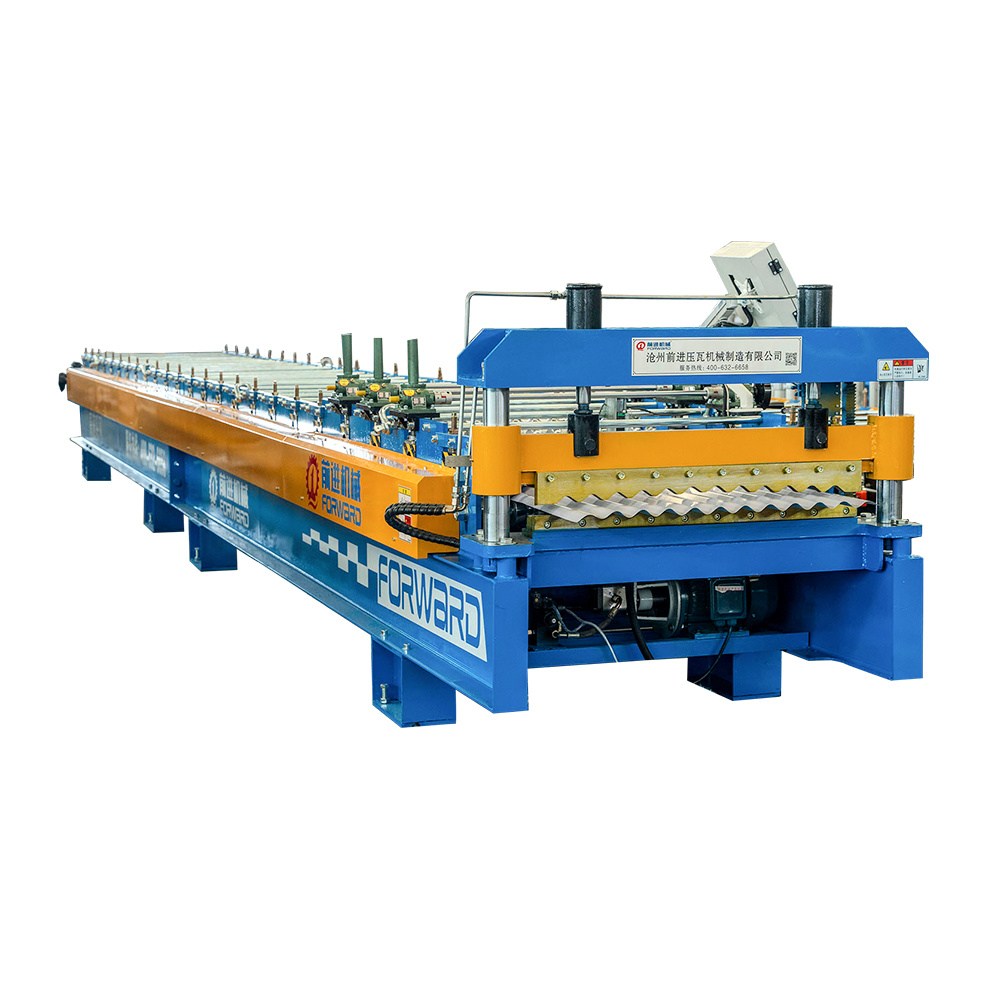
Light gauge steel roll forming machines are vital tools in the manufacturing process, particularly in the construction and building materials industries. These machines specialize in shaping thin steel sheets into various profiles and forms, which are then used in a wide range of applications such as roofing, wall systems, and structural supports. Understanding the workings and benefits of light gauge steel roll forming machines can help industry professionals optimize their production processes and improve product quality.
One of the primary advantages of using light gauge steel in manufacturing is its strength-to-weight ratio. This material is incredibly durable while being lightweight, making it an ideal choice for construction applications that require both resilience and efficiency. The roll forming process involves the continuous bending of the steel sheet through a series of rollers, which gradually shapes the material into the desired profile. This method not only minimizes waste but also allows for high levels of precision and consistency in the final products.
A key feature of light gauge steel roll forming machines is their ability to produce a variety of profiles, including C-sections, Z-sections, and custom shapes. The flexibility of these machines enables manufacturers to create specific products tailored to their clients’ requirements. Additionally, many modern machines come equipped with advanced technology such as computer numerical control (CNC) systems, which enhance automation and precision, allowing for quicker setup times and reduced labor costs.
Another important aspect to consider is the material efficiency that light gauge steel roll forming machines offer. The continuous nature of the roll forming process minimizes scrap and maximizes yield, which is particularly significant in an era where sustainability and cost-effectiveness are paramount. Manufacturers can expect to see a reduction in material costs while still delivering high-quality products to their customers.
When selecting a light gauge steel roll forming machine, it is crucial to assess various factors such as production capacity, speed, and the range of profiles that can be formed. Additionally, understanding the maintenance requirements and available after-sales support can influence the machine's operational longevity and reliability.
In conclusion, light gauge steel roll forming machines serve as an essential asset for manufacturers looking to enhance their production capabilities and diversify their product offerings. By leveraging the unique advantages of this technology, businesses can stay competitive in a rapidly evolving market while ensuring high standards of quality and efficiency in their operations.
One of the primary advantages of using light gauge steel in manufacturing is its strength-to-weight ratio. This material is incredibly durable while being lightweight, making it an ideal choice for construction applications that require both resilience and efficiency. The roll forming process involves the continuous bending of the steel sheet through a series of rollers, which gradually shapes the material into the desired profile. This method not only minimizes waste but also allows for high levels of precision and consistency in the final products.
A key feature of light gauge steel roll forming machines is their ability to produce a variety of profiles, including C-sections, Z-sections, and custom shapes. The flexibility of these machines enables manufacturers to create specific products tailored to their clients’ requirements. Additionally, many modern machines come equipped with advanced technology such as computer numerical control (CNC) systems, which enhance automation and precision, allowing for quicker setup times and reduced labor costs.
Another important aspect to consider is the material efficiency that light gauge steel roll forming machines offer. The continuous nature of the roll forming process minimizes scrap and maximizes yield, which is particularly significant in an era where sustainability and cost-effectiveness are paramount. Manufacturers can expect to see a reduction in material costs while still delivering high-quality products to their customers.
When selecting a light gauge steel roll forming machine, it is crucial to assess various factors such as production capacity, speed, and the range of profiles that can be formed. Additionally, understanding the maintenance requirements and available after-sales support can influence the machine's operational longevity and reliability.
In conclusion, light gauge steel roll forming machines serve as an essential asset for manufacturers looking to enhance their production capabilities and diversify their product offerings. By leveraging the unique advantages of this technology, businesses can stay competitive in a rapidly evolving market while ensuring high standards of quality and efficiency in their operations.
Key words:
recommend News
Share
Cangzhou Forward Roll Forming Machinery Manufacturing
Telephone: +86 0317 8308862
Mobile: +86 187 3373 6699
E-mail:info@rollformingmills.com
Skype:james521520
Address: China Hebei Cangzhou Botou City 104 National Road East
Website QR Code

Business License