
-
 Become an influential brand in the world industry!
The company was established in 2008 and is located in Botou, Hebei, a famous casting city in China. -
Products
We continue to develop and create high quality but affordable products
The company is divided into two major factory areas in the north and south. -
Push forward without end
Products are widely used in industrial and civil buildings, such as factories, warehouses, gymnasiums, exhibition halls and other houses and walls. The company has a high starting point and an early start in the products of tile pressing forming and high-altitude tile pressing forming operation platform.
language
Common Mistakes to Avoid When Operating a Profile Roll Forming Machine for Optimal Performance
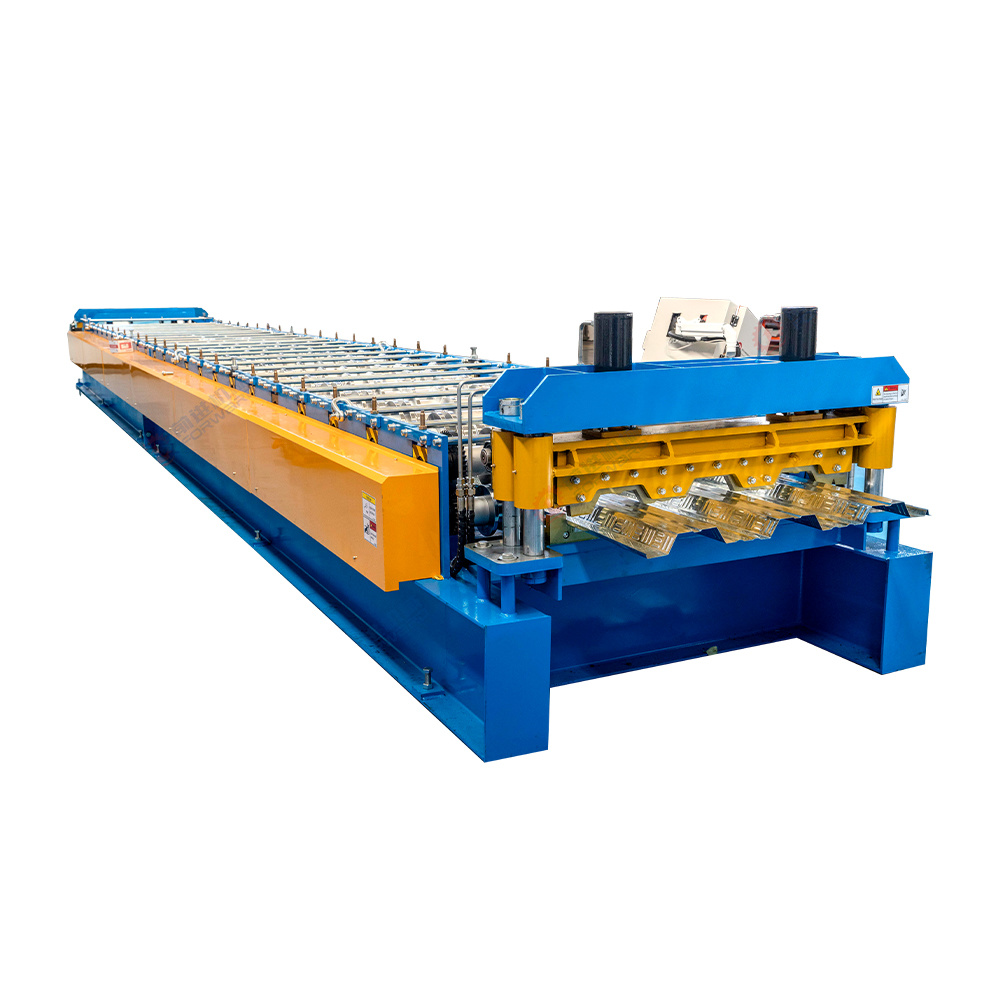
Common Mistakes to Avoid When Operating a Profile Roll Forming Machine for Optimal Performance
Operating a profile roll forming machine is a complex task that requires attention to detail, technical knowledge, and a commitment to safety. Many manufacturers, whether seasoned or new to the industry, encounter various challenges that can lead to inefficiencies, increased costs, and even workplace accidents. This article aims to shed light on some of the most common mistakes made while operating a profile roll forming machine and offer practical solutions to avoid them.
Table of Contents
1. Understanding Profile Roll Forming Machines
2. Importance of Proper Setup and Alignment
3. Ignoring Maintenance Schedules
4. Inadequate Training for Operators
5. Overlooking Material Specifications
6. Failing to Monitor Machine Performance
7. Neglecting Safety Protocols
8. Conclusion
9. FAQs
1. Understanding Profile Roll Forming Machines
Profile roll forming machines are essential tools in the manufacturing industry, primarily used to create complex metal shapes through a continuous bending operation. These machines shape metal sheets into desired profiles by passing them through a series of rollers. Understanding how these machines operate is critical for optimizing efficiency and quality.
Ignoring the mechanics and principles behind their operation often leads to mistakes that can compromise the final product's integrity.
2. Importance of Proper Setup and Alignment
A significant mistake to avoid is improper setup and alignment of the profile roll forming machine. **Correct alignment** is crucial for achieving uniform products.
**Common setup errors** include:
- Misalignment of rollers
- Incorrect spacing between rollers
- Improper feed rate adjustments
These errors can result in uneven profiles and increased material waste. Operators should take the time to ensure that all components are correctly aligned before beginning production. Regular checks and adjustments during operation can also help maintain optimal alignment.
2.1 Steps for Proper Setup
1. **Initial Inspection:** Always inspect the machine before use.
2. **Alignment Checks:** Use a level to ensure rollers are horizontally and vertically aligned.
3. **Spacing Adjustments:** Adjust the spacing between rollers according to the material thickness.
By prioritizing proper setup and alignment, manufacturers can significantly enhance their production efficiency.
3. Ignoring Maintenance Schedules
Neglecting the maintenance of a profile roll forming machine is another common mistake that can lead to severe operational issues. Regular maintenance is essential for ensuring machine longevity and performance.
**Key maintenance tasks include:**
- Lubricating moving parts
- Checking electrical connections
- Inspecting rollers for wear and tear
Ignoring these tasks can result in breakdowns, costly repairs, and unscheduled downtime, ultimately affecting production schedules.
3.1 Developing a Maintenance Routine
- **Daily Checks:** Inspect for any visible issues before starting work.
- **Weekly Maintenance:** Conduct lubrication and minor adjustments weekly.
- **Monthly Reviews:** Perform a thorough inspection and make necessary repairs.
Implementing a structured maintenance routine can help prevent many operational issues.
4. Inadequate Training for Operators
One of the most critical aspects of operating a profile roll forming machine is having well-trained operators. **Inadequate training** often leads to mistakes, which can compromise safety and efficiency.
Common training oversights include:
- Not covering safety protocols
- Failing to demonstrate machine operation
- Lack of familiarity with emergency procedures
Investing in comprehensive training programs can significantly reduce human error and enhance overall productivity.
4.1 Key Training Components
1. **Machine Operation:** Ensure operators understand how to operate the machinery efficiently.
2. **Safety Protocols:** Cover all safety measures comprehensively.
3. **Troubleshooting Techniques:** Train operators on identifying and resolving common issues.
A well-trained workforce is an invaluable asset for any manufacturing facility.
5. Overlooking Material Specifications
Another mistake to avoid is overlooking the specifications of the materials being used in the profile roll forming process. Each type of material has unique properties that affect its performance during the forming process.
**Key material specifications include:**
- Thickness
- Hardness
- Yield strength
Using inappropriate materials can lead to production issues, including deformation, cracking, or even machine damage.
5.1 Ensuring Proper Material Selection
- **Consult Manufacturer Guidelines:** Always refer to material guidelines provided by the manufacturer.
- **Conduct Tests:** Perform tests to confirm material suitability before large-scale production.
Understanding material properties can lead to higher quality products and reduced waste.
6. Failing to Monitor Machine Performance
Regular monitoring of machine performance is crucial for maintaining consistent production quality. Failing to do so can result in undetected issues that may escalate into significant problems.
Signs of machine performance issues include:
- Inconsistent product dimensions
- Increased scrap rates
- Unusual noises during operation
Implementing performance monitoring can help identify issues early on and prevent costly downtimes.
6.1 Methods for Monitoring Performance
1. **Use of Sensors:** Install sensors to monitor key performance indicators.
2. **Real-Time Data Analysis:** Analyze performance data in real-time to catch anomalies.
3. **Regular Audits:** Conduct regular audits of machine performance.
By actively monitoring performance, manufacturers can ensure high product quality and operational efficiency.
7. Neglecting Safety Protocols
Workplace safety should always be a priority when operating any machinery, including profile roll forming machines. **Neglecting safety protocols** can lead to accidents that may result in severe injury or even fatalities.
Common safety oversights include:
- Not wearing appropriate protective gear
- Failing to follow lockout/tagout procedures
- Ignoring machine safety guards
Establishing a culture of safety is paramount for protecting employees and ensuring smooth operations.
7.1 Creating a Safety Culture
- **Regular Safety Training:** Conduct ongoing safety training sessions for employees.
- **Establish Clear Protocols:** Create and enforce clear safety protocols.
- **Encourage Reporting:** Encourage employees to report safety hazards immediately.
By fostering a strong safety culture, manufacturers can significantly reduce the risk of workplace accidents.
8. Conclusion
Operating a profile roll forming machine requires a comprehensive understanding of various factors that can influence productivity and efficiency. By avoiding common mistakes such as improper setup, neglecting maintenance, insufficient training, and overlooking material specifications, manufacturers can enhance their operations significantly. Prioritizing safety and performance monitoring will not only improve product quality but also create a safer and more efficient working environment.
Implementing the strategies outlined in this article can lead to successful manufacturing processes, ultimately driving business growth and profitability.
9. FAQs
What is a profile roll forming machine?
A profile roll forming machine is a specialized tool used to bend and shape metal sheets into specific profiles through a series of rollers.
What are the common materials used in roll forming?
Common materials include steel, aluminum, and other metals, each with distinct properties affecting the roll forming process.
How often should maintenance be performed on a profile roll forming machine?
Maintenance should be performed regularly, with daily inspections, weekly lubrications, and monthly thorough checks.
What safety gear should operators wear when using these machines?
Operators should wear safety glasses, gloves, and protective footwear to safeguard against potential injuries.
Can improper setup affect product quality?
Yes, improper setup can lead to uneven products, increased waste, and operational inefficiencies.
By addressing these common mistakes, manufacturers can optimize their operations and achieve better results in their roll forming processes.
Key words:
recommend News
Share
Cangzhou Forward Roll Forming Machinery Manufacturing
Telephone: +86 0317 8308862
Mobile: +86 187 3373 6699
E-mail:info@rollformingmills.com
Skype:james521520
Address: China Hebei Cangzhou Botou City 104 National Road East
Website QR Code

Business License