
-
 Become an influential brand in the world industry!
The company was established in 2008 and is located in Botou, Hebei, a famous casting city in China. -
Products
We continue to develop and create high quality but affordable products
The company is divided into two major factory areas in the north and south. -
Push forward without end
Products are widely used in industrial and civil buildings, such as factories, warehouses, gymnasiums, exhibition halls and other houses and walls. The company has a high starting point and an early start in the products of tile pressing forming and high-altitude tile pressing forming operation platform.
language
Optimizing Efficiency with Roll Forming Line Machines: A Comprehensive Guide
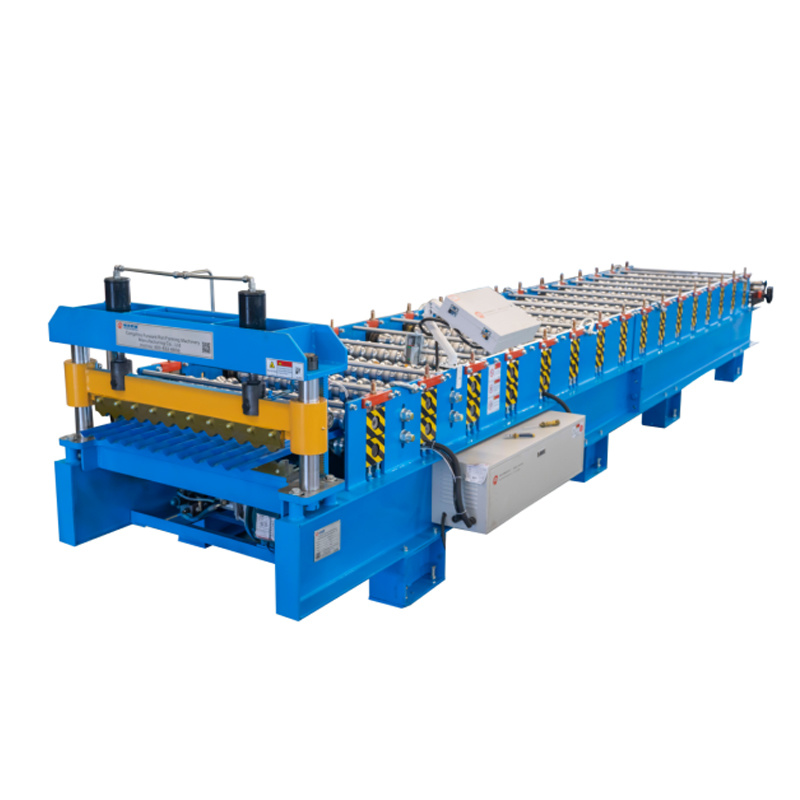
Roll forming line machines are integral to modern manufacturing processes, particularly in the production of metal components. These machines operate by continuously feeding metal sheets or strips through a series of rollers, which shape the material into desired profiles. The efficiency and precision of roll forming make it a preferred method for producing long-length components with uniform cross-sections.
One of the most significant advantages of using roll forming line machines lies in their ability to create complex profiles with minimal material waste. Unlike traditional machining processes that often result in substantial scrap, roll forming optimizes material usage by creating parts directly from the sheet or strip. This efficiency not only reduces costs but also contributes to more sustainable manufacturing practices.
Moreover, roll forming line machines are designed to handle a variety of materials, including steel, aluminum, and other metals. The versatility of these machines allows manufacturers to tailor their production lines to meet specific requirements, whether they are producing roofing panels, metal studs, or automotive components. Additionally, the ability to easily change tooling makes it feasible to switch between different product lines without significant downtime.
In terms of production speed, roll forming line machines excel by maintaining high throughput rates. With automated systems and continuous operation, manufacturers can significantly improve their output while ensuring consistent quality. This capability is crucial in industries where timely delivery and large-volume production are vital.
Furthermore, the integration of modern technology, such as computer numerical control (CNC) and advanced monitoring systems, enhances the functionality of roll forming line machines. These technologies allow for precise control over the forming process, ensuring that tolerances are met and reducing the risk of defects. Real-time data collection and analysis can also help identify potential issues before they escalate, contributing to improved maintenance and operational efficiency.
From a technical standpoint, understanding the setup and operation of roll forming line machines is essential for professionals in the manufacturing sector. Key components include the uncoiler, feeder, forming stations, cutting mechanisms, and the exit conveyor. Mastery of these components ensures that operators can effectively manage production lines, troubleshoot issues, and optimize processes.
In conclusion, roll forming line machines present an efficient solution for producing high-quality metal components in various industries. Their ability to minimize waste, increase production speed, and adapt to different materials makes them an invaluable asset in manufacturing. For professionals looking to enhance their operations, investing time in understanding and utilizing roll forming technology could lead to significant improvements in efficiency and product quality.
One of the most significant advantages of using roll forming line machines lies in their ability to create complex profiles with minimal material waste. Unlike traditional machining processes that often result in substantial scrap, roll forming optimizes material usage by creating parts directly from the sheet or strip. This efficiency not only reduces costs but also contributes to more sustainable manufacturing practices.
Moreover, roll forming line machines are designed to handle a variety of materials, including steel, aluminum, and other metals. The versatility of these machines allows manufacturers to tailor their production lines to meet specific requirements, whether they are producing roofing panels, metal studs, or automotive components. Additionally, the ability to easily change tooling makes it feasible to switch between different product lines without significant downtime.
In terms of production speed, roll forming line machines excel by maintaining high throughput rates. With automated systems and continuous operation, manufacturers can significantly improve their output while ensuring consistent quality. This capability is crucial in industries where timely delivery and large-volume production are vital.
Furthermore, the integration of modern technology, such as computer numerical control (CNC) and advanced monitoring systems, enhances the functionality of roll forming line machines. These technologies allow for precise control over the forming process, ensuring that tolerances are met and reducing the risk of defects. Real-time data collection and analysis can also help identify potential issues before they escalate, contributing to improved maintenance and operational efficiency.
From a technical standpoint, understanding the setup and operation of roll forming line machines is essential for professionals in the manufacturing sector. Key components include the uncoiler, feeder, forming stations, cutting mechanisms, and the exit conveyor. Mastery of these components ensures that operators can effectively manage production lines, troubleshoot issues, and optimize processes.
In conclusion, roll forming line machines present an efficient solution for producing high-quality metal components in various industries. Their ability to minimize waste, increase production speed, and adapt to different materials makes them an invaluable asset in manufacturing. For professionals looking to enhance their operations, investing time in understanding and utilizing roll forming technology could lead to significant improvements in efficiency and product quality.
Key words:
recommend News
Share
Cangzhou Forward Roll Forming Machinery Manufacturing
Telephone: +86 0317 8308862
Mobile: +86 187 3373 6699
E-mail:info@rollformingmills.com
Skype:james521520
Address: China Hebei Cangzhou Botou City 104 National Road East
Website QR Code

Business License