
-
 Become an influential brand in the world industry!
The company was established in 2008 and is located in Botou, Hebei, a famous casting city in China. -
Products
We continue to develop and create high quality but affordable products
The company is divided into two major factory areas in the north and south. -
Push forward without end
Products are widely used in industrial and civil buildings, such as factories, warehouses, gymnasiums, exhibition halls and other houses and walls. The company has a high starting point and an early start in the products of tile pressing forming and high-altitude tile pressing forming operation platform.
language
Steel Frame Roll Forming Machines: A Comprehensive Buying Guide for Manufacturers
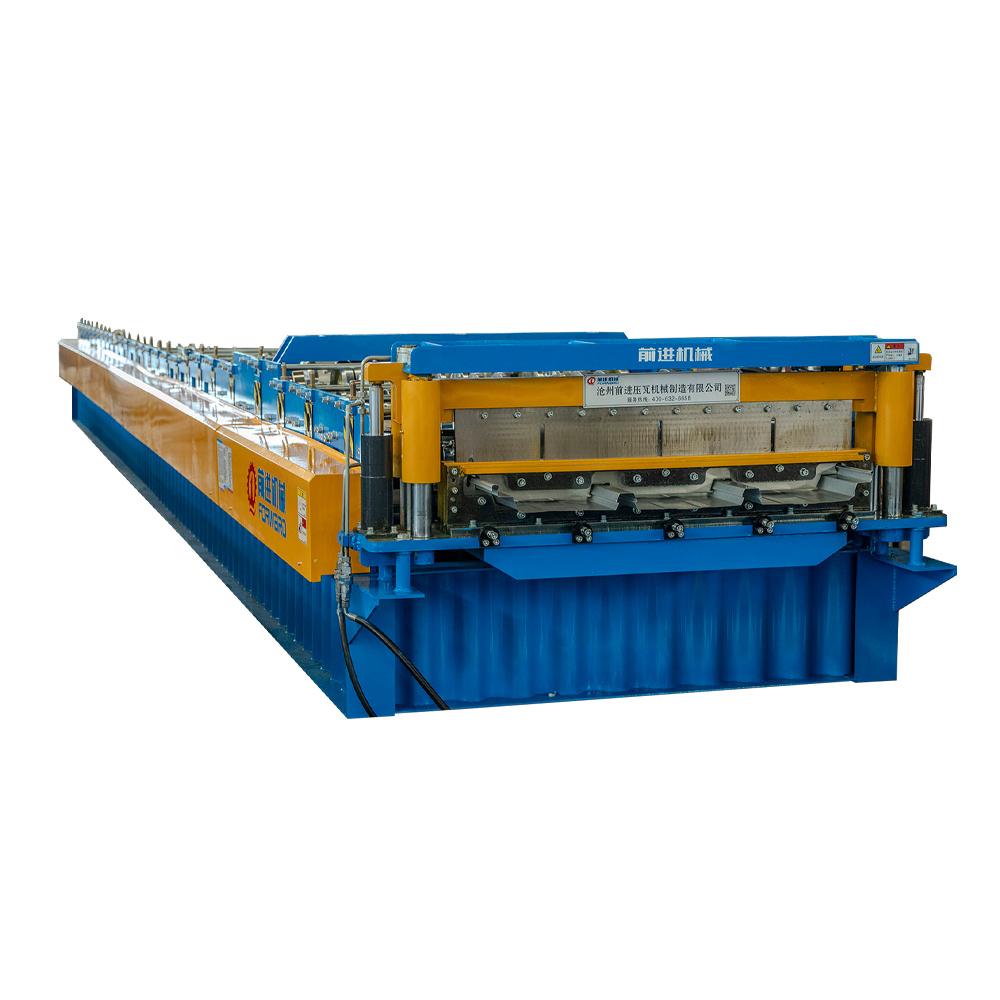
Steel Frame Roll Forming Machines: A Comprehensive Buying Guide for Manufacturers
Table of Contents
- 1. Introduction to Steel Frame Roll Forming Machines
- 2. Benefits of Using Steel Frame Roll Forming Machines
- 3. Types of Steel Frame Roll Forming Machines
- 4. Key Features to Consider When Buying
- 5. Top Manufacturers of Steel Frame Roll Forming Machines
- 6. Understanding the Costs Involved
- 7. Maintenance Tips for Longevity
- 8. Frequently Asked Questions (FAQs)
- 9. Conclusion
1. Introduction to Steel Frame Roll Forming Machines
Steel frame roll forming machines are essential tools in the manufacturing industry, designed to create steel frames for various applications, including construction, automotive, and furniture industries. These machines allow manufacturers to produce high-quality, precise, and consistent steel components efficiently. The process involves feeding a metal sheet through a series of rollers that progressively shape it into the desired profile. This guide aims to provide comprehensive insights into everything you need to know before purchasing a steel frame roll forming machine.
2. Benefits of Using Steel Frame Roll Forming Machines
Investing in a steel frame roll forming machine offers numerous advantages for manufacturers:
2.1 Enhanced Production Efficiency
Steel frame roll forming machines streamline the production process, significantly reducing lead times and labor costs. The automated nature of these machines allows for continuous operation, which boosts productivity.
2.2 Precision and Consistency
These machines produce highly accurate components with minimal variations, ensuring that the end products meet exact specifications. This precision is crucial in industries where safety and structural integrity are paramount.
2.3 Versatility in Applications
Steel frame roll forming machines can be customized to produce various profiles, making them suitable for a wide range of applications. From building structures to automotive parts, the versatility of these machines is unmatched.
2.4 Cost-Effectiveness
By reducing material waste and minimizing manual labor, steel frame roll forming machines can lead to significant cost savings over time. The long-term return on investment is one of the key factors driving their adoption in manufacturing.
3. Types of Steel Frame Roll Forming Machines
Understanding the different types of steel frame roll forming machines is essential for making an informed purchasing decision. Here are the common types:
3.1 Standard Roll Forming Machines
These machines are the most widely used and are suitable for producing simple shapes and profiles. They are often the go-to choice for manufacturers looking for a reliable, cost-effective solution.
3.2 Custom Roll Forming Machines
For manufacturers with specific requirements, custom roll forming machines provide tailored solutions. These machines can be designed to produce unique profiles that standard machines may not accommodate.
3.3 Multi-Profile Roll Forming Machines
These advanced machines can produce multiple profiles in a single run, enhancing efficiency and reducing setup times. They are ideal for manufacturers who need versatility without sacrificing productivity.
3.4 Compact Roll Forming Machines
Compact machines are designed for smaller production runs and limited space. They offer flexibility and ease of use, making them suitable for smaller workshops or startups.
4. Key Features to Consider When Buying
When investing in a steel frame roll forming machine, several key features should guide your decision-making process:
4.1 Motor Power and Capacity
The motor power significantly affects the machine's performance and production capacity. Choose a machine that matches your production needs and can handle the material thickness you require.
4.2 Roller Material and Design
The quality of rollers plays a critical role in achieving the desired profile accuracy. Look for machines with durable materials and optimized roller designs that minimize wear and tear.
4.3 Automation and Control Systems
Modern machines come equipped with advanced automation and control systems that enhance operational efficiency. Features such as programmable logic controllers (PLCs) and touch-screen interfaces can significantly simplify machine operation.
4.4 Safety Features
Safety should never be compromised. Ensure that the machine has essential safety features such as emergency stop buttons, safety guards, and overload protection.
4.5 Support and Warranty
A reliable manufacturer should provide comprehensive support, including installation assistance, training, and a robust warranty. This ensures that your investment is protected and that you have access to help when needed.
5. Top Manufacturers of Steel Frame Roll Forming Machines
Selecting a reputable manufacturer is vital to securing a high-quality steel frame roll forming machine. Here are some industry leaders known for their excellence:
5.1 XYZ Machinery
With decades of experience, XYZ Machinery is renowned for its innovative designs and high-performance machines. Their commitment to quality and customer satisfaction makes them a top choice.
5.2 ABC Roll Forming Solutions
ABC Roll Forming Solutions specializes in custom machines, providing tailored solutions for various industries. Their expertise and customer-centric approach set them apart in the market.
5.3 DEF Industries
DEF Industries is known for its cutting-edge technology and range of compact roll forming machines. They cater to smaller manufacturers seeking efficient and versatile solutions.
6. Understanding the Costs Involved
The cost of steel frame roll forming machines can vary widely based on factors such as machine type, features, and manufacturer. Here’s a breakdown to help you budget effectively:
6.1 Initial Investment
The initial cost of a roll forming machine can range from a few thousand to several hundred thousand dollars, depending on the specifications. Consider your production needs and how the machine will fit into your overall budget.
6.2 Operating Costs
In addition to the initial investment, you should factor in ongoing operating costs, including electricity, maintenance, and labor. Efficient machines may have higher upfront costs but can save money in the long run through reduced operational expenses.
6.3 Maintenance Costs
Regular maintenance is crucial for ensuring the longevity of your machine. Budget for periodic maintenance checks and any potential repairs to avoid unexpected costs.
7. Maintenance Tips for Longevity
Proper maintenance is essential for the longevity of your steel frame roll forming machine. Here are some tips to keep it running smoothly:
7.1 Regular Cleaning
Keep the machine clean to prevent debris buildup that can affect performance. Regularly check for and remove metal shavings and dust.
7.2 Lubrication
Ensure that moving parts are adequately lubricated to reduce friction and wear. Regular lubrication extends the life of the machine and maintains efficiency.
7.3 Routine Inspections
Implement a schedule for routine inspections to identify potential issues before they escalate. Look for signs of wear and address them promptly.
8. Frequently Asked Questions (FAQs)
8.1 What materials can be used with steel frame roll forming machines?
Steel frame roll forming machines are typically used with a variety of steel grades, including cold-rolled and galvanized steel, as well as aluminum and stainless steel, depending on the machine specifications.
8.2 How long does it take to manufacture a steel frame?
The manufacturing time for a steel frame depends on the machine type and complexity of the design. Generally, high-efficiency roll forming machines can produce frames quickly, often in a matter of minutes.
8.3 Are these machines suitable for small businesses?
Yes, many manufacturers offer compact and versatile roll forming machines that are ideal for small businesses looking to enter the market or expand their production capabilities.
8.4 What safety precautions should be taken when operating these machines?
Operators should receive proper training and adhere to safety protocols, including wearing protective gear and ensuring that safety features are functional before operating the machine.
8.5 Can I customize the machine for specific profiles?
Yes, many manufacturers offer customizable options for roll forming machines, allowing you to produce specific profiles tailored to your production requirements.
9. Conclusion
Investing in a steel frame roll forming machine can significantly enhance your manufacturing capabilities. By understanding the benefits, types, key features, and costs associated with these machines, you can make an informed decision that aligns with your operational needs. Conduct thorough research, evaluate your requirements, and choose a reputable manufacturer to ensure you invest wisely. With the right machine, you can optimize your production processes and maintain a competitive edge in the ever-evolving manufacturing landscape.
Key words:
recommend News
Share
Cangzhou Forward Roll Forming Machinery Manufacturing
Telephone: +86 0317 8308862
Mobile: +86 187 3373 6699
E-mail:info@rollformingmills.com
Skype:james521520
Address: China Hebei Cangzhou Botou City 104 National Road East
Website QR Code

Business License