
-
 Become an influential brand in the world industry!
The company was established in 2008 and is located in Botou, Hebei, a famous casting city in China. -
Products
We continue to develop and create high quality but affordable products
The company is divided into two major factory areas in the north and south. -
Push forward without end
Products are widely used in industrial and civil buildings, such as factories, warehouses, gymnasiums, exhibition halls and other houses and walls. The company has a high starting point and an early start in the products of tile pressing forming and high-altitude tile pressing forming operation platform.
language
Pros and Cons of Cold Roll Forming Machines for Your Business
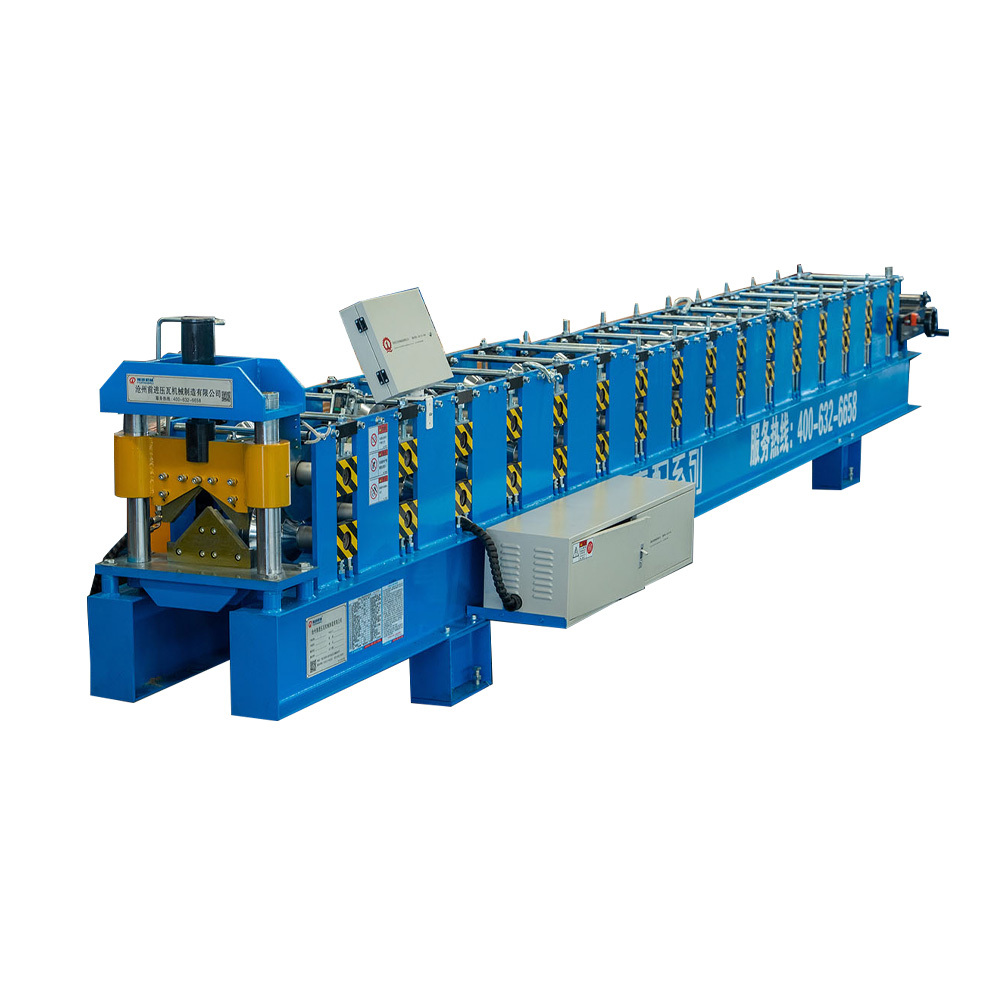
Pros and Cons of Cold Roll Forming Machines for Your Business
The manufacturing sector has seen various technological advancements that enhance efficiency and production quality. Among these innovations, **cold roll forming machines** stand out as a revolutionary technology in metal processing. These machines create complex shapes from metal strips through a cold working process, providing structural components for various industries, including automotive, construction, and HVAC. In this article, we delve into the **pros and cons of cold roll forming machines**, offering a comprehensive analysis to help you decide if they are suitable for your business.
Table of Contents
- What is Cold Roll Forming?
- Benefits of Cold Roll Forming Machines
- Drawbacks of Cold Roll Forming Machines
- Applications of Cold Roll Forming Machines
- Conclusion
- FAQs
What is Cold Roll Forming?
Cold roll forming is a manufacturing process that utilizes a set of rollers to progressively shape metal strips into desired profiles at room temperature. This method is particularly advantageous because it does not require heating the metal, thus preserving its mechanical properties and increasing its strength through the strain hardening effect. Cold roll forming machines can produce a wide range of shapes, such as channels, angles, and structural sections, making them ideal for various applications.
Benefits of Cold Roll Forming Machines
Integrating cold roll forming machines into your production line offers several benefits that can significantly enhance your manufacturing capabilities.
High Precision and Consistency
One of the most notable advantages of cold roll forming machines is their ability to achieve **high precision and consistency** in production. These machines can maintain tight tolerances and produce parts with minimal variations, which is crucial for industries that require exact specifications. The rolling process ensures uniformity across the entire batch, yielding reliable components that enhance the overall quality of the final product.
Cost-Effectiveness
Cold roll forming machines can be a **cost-effective solution** for companies that require large quantities of metal components. The efficiency of the process leads to reduced waste and lower material costs. Additionally, the long lifespan of the formed parts decreases the need for frequent replacements, which contributes to overall savings in production costs.
Variety and Flexibility
Cold roll forming allows for a **wide variety of shapes and designs**. Manufacturers can easily adjust the machine to create different profiles, accommodating diverse project requirements. This flexibility makes cold roll forming ideal for custom orders and the production of specialized components, giving manufacturers a competitive edge in the market.
Strength and Durability
The **strain hardening** that occurs during the cold roll forming process enhances the strength and durability of the produced parts. As a result, these components can withstand greater loads and resist deformation, making them suitable for heavy-duty applications in industries such as construction and automotive manufacturing.
Drawbacks of Cold Roll Forming Machines
While cold roll forming machines present numerous advantages, it is essential to consider potential drawbacks that could impact your business operations.
Initial Investment Costs
The initial investment required for cold roll forming machinery can be substantial. Costs associated with purchasing equipment, tooling, and setting up the production line can be a significant barrier for small to medium-sized enterprises. It is crucial to conduct a thorough cost-benefit analysis to ensure that the expected returns justify the investment.
Limited Materials
Cold roll forming is primarily suitable for specific types of metals, such as steel and aluminum. **Limited material compatibility** may pose challenges if your business requires parts made from other materials, such as copper or plastic. It is vital to assess whether the materials you intend to use align with the capabilities of cold roll forming machines.
Design Limitations
While cold roll forming machines accommodate a range of shapes, there are **design limitations** to consider. Complex geometries may not be feasible due to the nature of the forming process. Manufacturers must work within the constraints of the technology, which could restrict design options for certain projects.
Applications of Cold Roll Forming Machines
Cold roll forming machines are widely used across various industries due to their versatility. Here are some common applications:
1. Construction
In the construction sector, cold roll forming is used to produce structural components such as beams, columns, and purlins that provide essential support for buildings and infrastructure.
2. Automotive
The automotive industry relies on cold roll forming for creating chassis components, brackets, and reinforcement parts that require high strength and durability.
3. HVAC
Heating, ventilation, and air conditioning systems often utilize cold-formed profiles for ducts and supports, ensuring efficient airflow and structural integrity.
4. Furniture Manufacturing
Cold roll forming machines can create sturdy, lightweight frames for furniture, enhancing both aesthetics and functionality.
5. Electrical and Electronic Industries
Cold roll forming is also employed to manufacture enclosures, brackets, and other components for electrical and electronic devices.
Conclusion
In summary, cold roll forming machines offer significant benefits, including precision, cost-effectiveness, design flexibility, and the production of strong, durable components. However, businesses must also weigh the initial investment costs, material limitations, and design constraints before deciding to implement this technology. By carefully considering these factors, you can determine whether cold roll forming machines are the right fit for your manufacturing operations and how they can contribute to your overall business success.
FAQs
1. What industries benefit the most from cold roll forming machines?
Cold roll forming machines are particularly advantageous in industries such as construction, automotive, HVAC, furniture manufacturing, and electrical engineering.
2. How much does a cold roll forming machine cost?
The cost of a cold roll forming machine varies widely depending on the specifications and capabilities of the equipment, typically ranging from tens of thousands to several hundred thousand dollars.
3. Can cold roll forming machines handle different types of metals?
While cold roll forming is primarily used for materials like steel and aluminum, certain machines can accommodate a limited range of other metals. It’s essential to verify the machine's compatibility with your desired materials.
4. How does cold roll forming compare to hot roll forming?
Cold roll forming is performed at room temperature and produces parts with enhanced strength and precision, while hot roll forming involves heating the metal, which may result in less precise dimensions but allows for more complex shapes.
5. Is maintenance required for cold roll forming machines?
Yes, regular maintenance is necessary to ensure optimal performance and longevity of cold roll forming machines, including routine checks on alignment, lubrication, and wear of components.
Key words:
recommend News
Share
Cangzhou Forward Roll Forming Machinery Manufacturing
Telephone: +86 0317 8308862
Mobile: +86 187 3373 6699
E-mail:info@rollformingmills.com
Skype:james521520
Address: China Hebei Cangzhou Botou City 104 National Road East
Website QR Code

Business License