
-
 Become an influential brand in the world industry!
The company was established in 2008 and is located in Botou, Hebei, a famous casting city in China. -
Products
We continue to develop and create high quality but affordable products
The company is divided into two major factory areas in the north and south. -
Push forward without end
Products are widely used in industrial and civil buildings, such as factories, warehouses, gymnasiums, exhibition halls and other houses and walls. The company has a high starting point and an early start in the products of tile pressing forming and high-altitude tile pressing forming operation platform.
language
Understanding Panel Roll Former Machines: An In-Depth Guide for Manufacturers
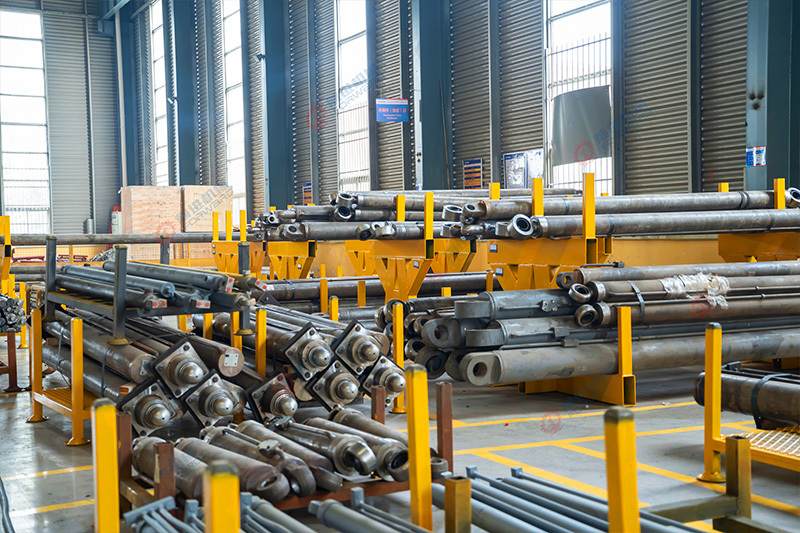
Panel roll former machines are vital in various manufacturing processes, particularly in creating metal panels used in construction, roofing, and other industrial applications. These machines utilize a series of rollers to shape flat metal sheets into specific profiles that meet design requirements. Understanding the intricacies of panel roll forming can significantly enhance production efficiency and product quality.
One of the primary advantages of using a panel roll former machine lies in its ability to produce consistent and high-quality panels at a rapid pace. The machine's design allows for continuous operation, making it ideal for high-volume production runs. This efficiency not only reduces labor costs but also minimizes material wastage, as the machine is designed to optimize metal sheet utilization.
The panel roll forming process typically begins with feeding a flat metal sheet into the machine. As the sheet enters, it passes through a series of rollers that gradually shape it into the desired profile. Each roller is precisely engineered to perform specific functions, ensuring that the final product meets strict dimensional tolerances. The ability to customize the roller configuration is a significant advantage, allowing manufacturers to produce a wide range of panel designs, from simple to complex profiles.
Another critical aspect of panel roll former machines is their versatility. They can handle various materials, including steel, aluminum, and other alloys, which makes them suitable for different applications. Manufacturers often use these machines to produce insulated panels, standing seam roofing systems, and wall panels, among others. Additionally, the machines can be equipped with different features, such as automated cutting systems, to further enhance production capabilities.
Maintenance is crucial for the longevity of panel roll former machines. Regular inspections and timely servicing can prevent potential breakdowns and ensure that the machine operates at peak efficiency. Manufacturers should establish a maintenance schedule that includes cleaning, lubrication, and checking wear parts to extend the lifespan of the equipment.
In conclusion, understanding the functionalities and benefits of panel roll former machines is essential for manufacturers aiming to enhance their production processes. These machines play a crucial role in creating high-quality panels that meet industry standards, contributing to the overall efficiency and profitability of manufacturing operations. By investing in a reliable panel roll former machine, manufacturers can position themselves for success in an increasingly competitive market.
One of the primary advantages of using a panel roll former machine lies in its ability to produce consistent and high-quality panels at a rapid pace. The machine's design allows for continuous operation, making it ideal for high-volume production runs. This efficiency not only reduces labor costs but also minimizes material wastage, as the machine is designed to optimize metal sheet utilization.
The panel roll forming process typically begins with feeding a flat metal sheet into the machine. As the sheet enters, it passes through a series of rollers that gradually shape it into the desired profile. Each roller is precisely engineered to perform specific functions, ensuring that the final product meets strict dimensional tolerances. The ability to customize the roller configuration is a significant advantage, allowing manufacturers to produce a wide range of panel designs, from simple to complex profiles.
Another critical aspect of panel roll former machines is their versatility. They can handle various materials, including steel, aluminum, and other alloys, which makes them suitable for different applications. Manufacturers often use these machines to produce insulated panels, standing seam roofing systems, and wall panels, among others. Additionally, the machines can be equipped with different features, such as automated cutting systems, to further enhance production capabilities.
Maintenance is crucial for the longevity of panel roll former machines. Regular inspections and timely servicing can prevent potential breakdowns and ensure that the machine operates at peak efficiency. Manufacturers should establish a maintenance schedule that includes cleaning, lubrication, and checking wear parts to extend the lifespan of the equipment.
In conclusion, understanding the functionalities and benefits of panel roll former machines is essential for manufacturers aiming to enhance their production processes. These machines play a crucial role in creating high-quality panels that meet industry standards, contributing to the overall efficiency and profitability of manufacturing operations. By investing in a reliable panel roll former machine, manufacturers can position themselves for success in an increasingly competitive market.
Key words:
recommend News
Share
Cangzhou Forward Roll Forming Machinery Manufacturing
Telephone: +86 0317 8308862
Mobile: +86 187 3373 6699
E-mail:info@rollformingmills.com
Skype:james521520
Address: China Hebei Cangzhou Botou City 104 National Road East
Website QR Code

Business License