
-
 Become an influential brand in the world industry!
The company was established in 2008 and is located in Botou, Hebei, a famous casting city in China. -
Products
We continue to develop and create high quality but affordable products
The company is divided into two major factory areas in the north and south. -
Push forward without end
Products are widely used in industrial and civil buildings, such as factories, warehouses, gymnasiums, exhibition halls and other houses and walls. The company has a high starting point and an early start in the products of tile pressing forming and high-altitude tile pressing forming operation platform.
language
Unlocking the Potential of Roll Forming Line Machines in Manufacturing
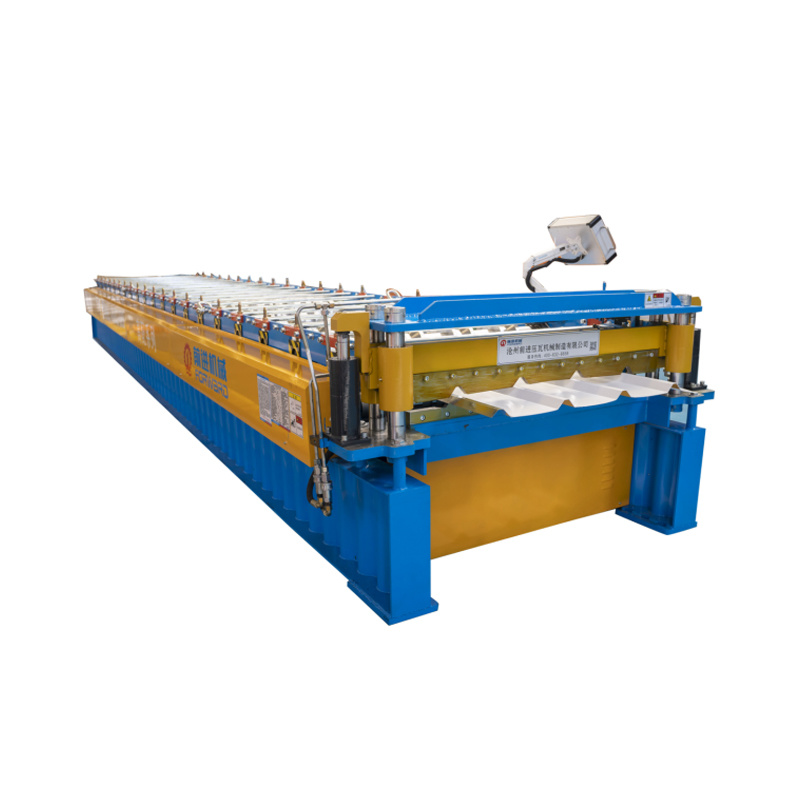
Roll forming line machines are specialized equipment designed to produce continuous lengths of metal profiles by gradually shaping metal sheets or strips through a series of rollers. This innovative manufacturing process allows for the precise and efficient production of a variety of profiles, including beams, channels, and other complex shapes. Understanding the functionality and benefits of these machines can significantly enhance your operational efficiency in the manufacturing sector.
The key to the roll forming process lies in its ability to manipulate metal without cutting or welding, thereby reducing waste and maintaining material integrity. Roll forming line machines work by feeding a flat metal sheet through a series of rollers, each configured to progressively bend the metal into the desired cross-sectional shape. This method is particularly advantageous for high-volume production runs, as it allows for uniformity and consistency across products.
One of the primary advantages of using roll forming line machines is their versatility. They can handle a range of materials, such as steel, aluminum, and other metals, making them suitable for various applications. Industries such as automotive, construction, and HVAC often leverage these machines to create components that require specific design specifications and mechanical properties.
In addition to their versatility, roll forming line machines are known for their efficiency. The continuous nature of the process allows manufacturers to achieve high production speeds with minimal downtime. This efficiency translates into cost savings and the ability to meet tight production schedules without compromising on quality.
Moreover, advancements in technology have led to the incorporation of automation and computer numerical control (CNC) systems into roll forming line machines. These enhancements enable precise adjustments and real-time monitoring of production processes, further optimizing performance and reducing the likelihood of errors. The integration of advanced technologies not only improves the quality of the final product but also enhances the overall user experience.
When considering the implementation of a roll forming line machine in your manufacturing operation, it is essential to assess the specific needs of your production processes. Factors such as material type, desired profile complexity, and production volume should guide your decision-making process. Collaborating with experienced professionals in the field can provide valuable insights into the best machine configurations for your specific requirements.
In conclusion, roll forming line machines are a cornerstone of modern manufacturing, offering unmatched efficiency and versatility in producing metal profiles. By understanding their functionality, benefits, and applications, manufacturers can harness the full potential of this technology to improve their production capabilities and stay competitive in the industry.
The key to the roll forming process lies in its ability to manipulate metal without cutting or welding, thereby reducing waste and maintaining material integrity. Roll forming line machines work by feeding a flat metal sheet through a series of rollers, each configured to progressively bend the metal into the desired cross-sectional shape. This method is particularly advantageous for high-volume production runs, as it allows for uniformity and consistency across products.
One of the primary advantages of using roll forming line machines is their versatility. They can handle a range of materials, such as steel, aluminum, and other metals, making them suitable for various applications. Industries such as automotive, construction, and HVAC often leverage these machines to create components that require specific design specifications and mechanical properties.
In addition to their versatility, roll forming line machines are known for their efficiency. The continuous nature of the process allows manufacturers to achieve high production speeds with minimal downtime. This efficiency translates into cost savings and the ability to meet tight production schedules without compromising on quality.
Moreover, advancements in technology have led to the incorporation of automation and computer numerical control (CNC) systems into roll forming line machines. These enhancements enable precise adjustments and real-time monitoring of production processes, further optimizing performance and reducing the likelihood of errors. The integration of advanced technologies not only improves the quality of the final product but also enhances the overall user experience.
When considering the implementation of a roll forming line machine in your manufacturing operation, it is essential to assess the specific needs of your production processes. Factors such as material type, desired profile complexity, and production volume should guide your decision-making process. Collaborating with experienced professionals in the field can provide valuable insights into the best machine configurations for your specific requirements.
In conclusion, roll forming line machines are a cornerstone of modern manufacturing, offering unmatched efficiency and versatility in producing metal profiles. By understanding their functionality, benefits, and applications, manufacturers can harness the full potential of this technology to improve their production capabilities and stay competitive in the industry.
Key words:
recommend News
Share
Cangzhou Forward Roll Forming Machinery Manufacturing
Telephone: +86 0317 8308862
Mobile: +86 187 3373 6699
E-mail:info@rollformingmills.com
Skype:james521520
Address: China Hebei Cangzhou Botou City 104 National Road East
Website QR Code

Business License