
-
 Become an influential brand in the world industry!
The company was established in 2008 and is located in Botou, Hebei, a famous casting city in China. -
Products
We continue to develop and create high quality but affordable products
The company is divided into two major factory areas in the north and south. -
Push forward without end
Products are widely used in industrial and civil buildings, such as factories, warehouses, gymnasiums, exhibition halls and other houses and walls. The company has a high starting point and an early start in the products of tile pressing forming and high-altitude tile pressing forming operation platform.
language
The Future of Construction: Innovations in Steel Frame Roll Forming Machines
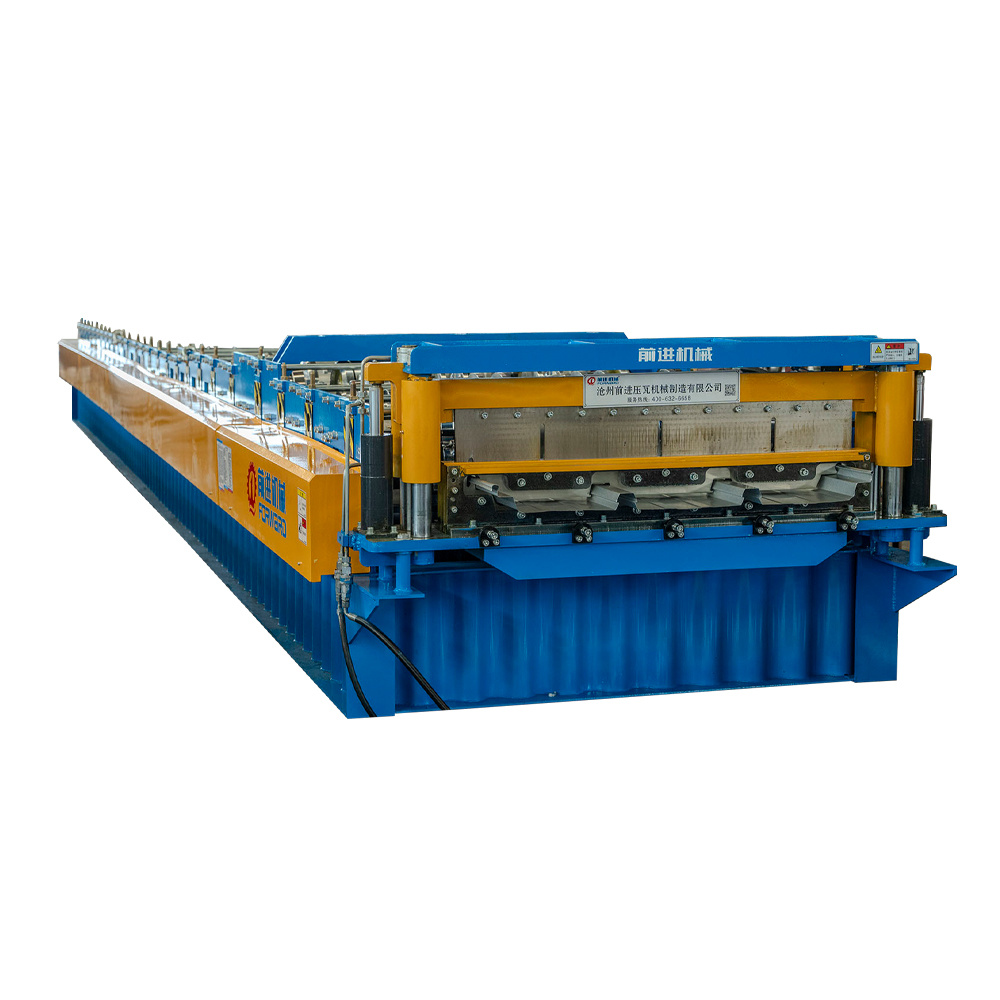
The Future of Construction: Innovations in Steel Frame Roll Forming Machines
Table of Contents
1. Introduction to Steel Frame Roll Forming Machines
2. Importance of Steel Frame Construction in Modern Architecture
3. Key Innovations in Steel Frame Roll Forming Technology
3.1 Automation and Robotics in Roll Forming
3.2 Advanced Materials and Coatings
3.3 Enhanced Design Capabilities
4. Benefits of Modern Steel Frame Roll Forming Machines
4.1 Increased Efficiency and Productivity
4.2 Cost-Effectiveness of Manufacturing
4.3 Sustainability and Environmental Impact
5. The Role of Industry 4.0 in Construction
5.1 Smart Manufacturing and Data Analytics
5.2 Integration of IoT in Construction
6. Future Trends in Steel Frame Roll Forming Technology
6.1 Customization and Flexibility
6.2 Modular Construction Techniques
6.3 Innovations in Safety Standards
7. Challenges Facing the Steel Frame Construction Industry
7.1 Supply Chain Issues
7.2 Regulatory Compliance
8. Conclusion
9. Frequently Asked Questions (FAQs)
1. Introduction to Steel Frame Roll Forming Machines
In today's fast-paced construction environment, **steel frame roll forming machines** have emerged as a pivotal component in the evolution of building methodologies. These machines facilitate the efficient production of steel components that serve as the backbone of modern architectural designs. By leveraging advanced technology, manufacturers can create high-quality, precision-engineered steel frames that significantly contribute to the structural integrity of buildings.
2. Importance of Steel Frame Construction in Modern Architecture
The preference for **steel frame construction** has surged in recent years due to its inherent advantages over traditional building materials. Steel frames provide superior strength-to-weight ratios, enabling architects and engineers to design taller and more complex structures without compromising safety. Additionally, steel's durability against environmental factors makes it an ideal choice for various climates, further solidifying its role in modern architecture.
3. Key Innovations in Steel Frame Roll Forming Technology
As the construction industry evolves, so does the technology behind steel frame roll forming machines. Below are some of the most significant innovations reshaping this field.
3.1 Automation and Robotics in Roll Forming
The integration of **automation and robotics** into steel frame roll forming has revolutionized the manufacturing process. Automated systems can handle tasks such as material feeding, cutting, and bending with precision and speed, reducing labor costs and minimizing human error.
3.2 Advanced Materials and Coatings
Innovations in **materials science** have led to the development of advanced coatings that enhance the corrosion resistance and longevity of steel frames. These coatings not only improve the aesthetic appeal but also contribute significantly to the sustainability of construction projects.
3.3 Enhanced Design Capabilities
Modern roll forming machines are equipped with sophisticated software that allows for intricate design configurations. This capability enables manufacturers to produce custom steel profiles that meet the specific requirements of any project, enhancing creativity within architectural designs.
4. Benefits of Modern Steel Frame Roll Forming Machines
The adoption of innovative steel frame roll forming machines offers a plethora of benefits that contribute to the overall efficiency and effectiveness of construction projects.
4.1 Increased Efficiency and Productivity
With enhanced automation, steel frame roll forming machines can produce components at a significantly faster rate. This increase in **productivity** translates to shorter project timelines, allowing construction companies to meet demanding deadlines while maintaining high-quality standards.
4.2 Cost-Effectiveness of Manufacturing
The efficiency brought by modern roll forming machines leads to substantial cost savings. Reduced labor and material waste, combined with the ability to produce high volumes of steel components, make the manufacturing process more economically viable.
4.3 Sustainability and Environmental Impact
Steel is one of the most recyclable materials in the world, and its use in construction promotes sustainability. Advances in roll forming technology also support **environmentally friendly practices**, such as minimizing scrap during production and utilizing energy-efficient processes.
5. The Role of Industry 4.0 in Construction
The emergence of **Industry 4.0** has brought about transformative changes in the construction sector, particularly concerning steel frame manufacturing.
5.1 Smart Manufacturing and Data Analytics
By incorporating **smart manufacturing** principles, steel frame manufacturers can use data analytics to monitor production efficiency in real-time. This wealth of information allows for proactive decision-making and optimization of manufacturing processes.
5.2 Integration of IoT in Construction
The **Internet of Things (IoT)** has begun to play a significant role in construction, allowing for interconnected machines and devices that streamline operations. This integration enhances communication across the supply chain, facilitating faster responses to market demands.
6. Future Trends in Steel Frame Roll Forming Technology
The future of steel frame roll forming technology is bright, marked by trends that promise to push the boundaries of construction.
6.1 Customization and Flexibility
As client needs evolve, customization has become paramount. The ability to adapt steel frame designs to meet specific project requirements will continue to grow, allowing construction firms to cater to diverse architectural styles.
6.2 Modular Construction Techniques
**Modular construction** is gaining traction across the industry, with steel frames serving as the backbone for prefabricated components. This trend streamlines the construction process, reducing on-site labor and fostering quicker project completions.
6.3 Innovations in Safety Standards
As technology advances, so do safety standards. Innovative machinery designs prioritize worker safety through improved ergonomics and the implementation of safety protocols, ensuring a safer working environment.
7. Challenges Facing the Steel Frame Construction Industry
Despite the numerous advantages, the steel frame construction industry faces challenges that must be addressed to harness its full potential.
7.1 Supply Chain Issues
The global supply chain remains fragile, causing potential disruptions in material availability. Steel manufacturers must establish resilient supply chains to mitigate these risks and maintain production continuity.
7.2 Regulatory Compliance
Navigating the complexities of **regulatory compliance** can be daunting for manufacturers. Staying updated with evolving building codes and environmental regulations is essential to avoid legal complications and ensure project success.
8. Conclusion
As we look toward the future of construction, it is evident that **steel frame roll forming machines** will play an integral role in shaping modern architecture. Through continued innovation and the adoption of advanced technologies, these machines will not only enhance the efficiency and sustainability of construction practices but also inspire new architectural possibilities. Embracing these advancements will ensure that the construction industry remains agile, responsive, and capable of meeting the challenges of tomorrow's built environment.
9. Frequently Asked Questions (FAQs)
1. What is a steel frame roll forming machine?
A steel frame roll forming machine is specialized equipment used to produce steel components with precise shapes and dimensions through a continuous bending process.
2. How do innovations in roll forming technology impact construction efficiency?
Innovations such as automation and advanced materials enable faster production times and reduce waste, significantly enhancing overall efficiency in construction projects.
3. What are the environmental benefits of using steel in construction?
Steel is highly recyclable and can be reused without loss of quality, making it an environmentally friendly choice that contributes to sustainable building practices.
4. Can steel frame construction be customized?
Yes, modern steel frame roll forming machines allow for extensive customization, enabling manufacturers to create steel components tailored to specific project needs.
5. What are the major challenges in the steel frame construction industry?
Challenges include supply chain disruptions, regulatory compliance, and the need for continuous innovation to meet evolving market demands.
Key words:
recommend News
Share
Cangzhou Forward Roll Forming Machinery Manufacturing
Telephone: +86 0317 8308862
Mobile: +86 187 3373 6699
E-mail:info@rollformingmills.com
Skype:james521520
Address: China Hebei Cangzhou Botou City 104 National Road East
Website QR Code

Business License