-
 Become an influential brand in the world industry!
The company was established in 2008 and is located in Botou, Hebei, a famous casting city in China. -
Products
We continue to develop and create high quality but affordable products
The company is divided into two major factory areas in the north and south. -
Push forward without end
Products are widely used in industrial and civil buildings, such as factories, warehouses, gymnasiums, exhibition halls and other houses and walls. The company has a high starting point and an early start in the products of tile pressing forming and high-altitude tile pressing forming operation platform.
A Beginner's Guide to Automatic Roll Forming Machines: What You Need to Know
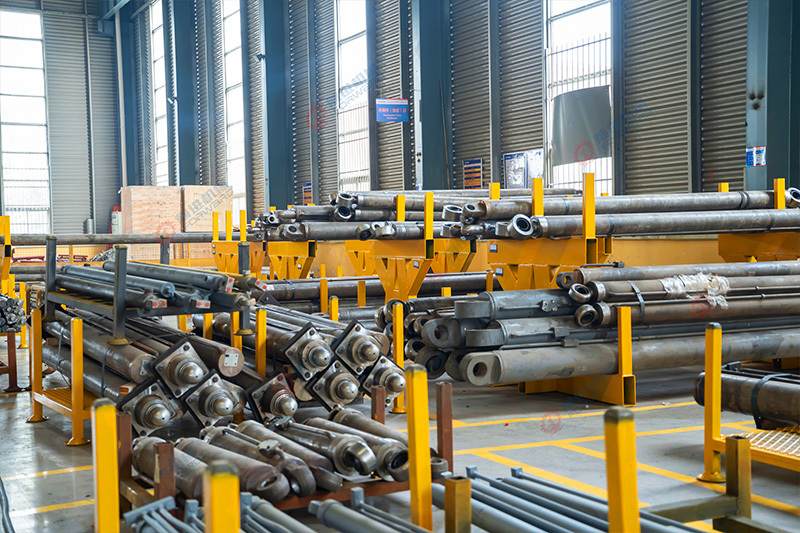
A Beginner's Guide to Automatic Roll Forming Machines: What You Need to Know
Table of Contents
- Introduction to Automatic Roll Forming Machines
- How Automatic Roll Forming Machines Work
- Benefits of Using Automatic Roll Forming Machines
- Applications of Automatic Roll Forming Machines
- Key Components of Automatic Roll Forming Machines
- Choosing the Right Automatic Roll Forming Machine
- Maintenance Tips for Automatic Roll Forming Machines
- Future Trends in Roll Forming Technology
- FAQs About Automatic Roll Forming Machines
- Conclusion
Introduction to Automatic Roll Forming Machines
Automatic roll forming machines are essential tools in the manufacturing sector, enabling the production of complex shapes and profiles from metal sheets efficiently. As industries evolve, the demand for precision, speed, and versatility in manufacturing processes has led to the widespread adoption of automatic roll forming technology. This beginner's guide aims to shed light on what you need to know about these machines, their operational dynamics, and their significant impact on various manufacturing processes.
How Automatic Roll Forming Machines Work
At its core, the automatic roll forming process involves feeding a flat metal strip into a series of rollers, which progressively shape the material into the desired profile. The operation can be broken down into several key steps:
The Forming Process
- Material Preparation: The process begins with the selection of the metal sheet, which must be of appropriate thickness and material type.
- Feeding: The flat metal strip is fed into the machine, usually via a coil. Automatic feeding systems ensure consistent input.
- Rolling: As the metal passes through a series of rollers, it is shaped into the desired form. Each roller is strategically positioned to maintain precision.
- Cutting: After forming, the profile is cut to specified lengths using integrated cutting systems.
This automated process allows for high production rates while maintaining quality and consistency. Additionally, advanced technologies like PLC (Programmable Logic Controllers) help manage the machine's operations, further enhancing efficiency.
Benefits of Using Automatic Roll Forming Machines
The adoption of automatic roll forming machines brings numerous advantages in manufacturing:
- High Efficiency: These machines provide rapid production cycles, significantly reducing lead times.
- Precision and Consistency: Automated processes ensure that each product meets stringent quality standards.
- Cost-Effective: By minimizing labor costs and waste, automatic roll forming machines can lead to substantial savings over time.
- Flexibility: They can produce a wide range of profiles, accommodating various design specifications.
Applications of Automatic Roll Forming Machines
Automatic roll forming machines are utilized across various industries due to their versatility. Some common applications include:
Construction Industry
Roll forming machines are used to manufacture roofing sheets, wall panels, and structural components, offering durability and aesthetic appeal.
Automotive Industry
In automotive applications, they produce components such as frames, brackets, and reinforcements, contributing to vehicle safety and efficiency.
Electrical and HVAC Systems
These machines are essential for creating ductwork, electrical enclosures, and other components critical to functionality and safety.
Key Components of Automatic Roll Forming Machines
Understanding the components of automatic roll forming machines is crucial for effective operation and maintenance. Key components include:
Rollers
Rollers are the primary shaping tools that form the metal into the desired profile. They come in various shapes and sizes, depending on the product specifications.
Feeding Mechanism
The feeding mechanism ensures a steady and accurate input of material into the machine, preventing jams and ensuring smooth operations.
Cutting System
Integrated cutting systems provide precise cuts, ensuring that the finished product meets the required dimensions.
Control System
Modern roll forming machines utilize advanced control systems to monitor operations, adjust settings, and enhance efficiency.
Choosing the Right Automatic Roll Forming Machine
Selecting the best roll forming machine for your needs involves several considerations:
Material Type
Consider the types of material you plan to work with, as different machines are designed to handle various metals.
Production Volume
Assess your production needs to determine the machine's capacity and speed requirements.
Profile Complexity
Ensure the machine can produce the specific profiles you require, taking into account the number of passes through the rollers.
Budget
Evaluate your budget, keeping in mind that investing in high-quality machinery can lead to long-term savings.
Maintenance Tips for Automatic Roll Forming Machines
Regular maintenance is essential to ensure optimal performance and longevity of your roll forming machines:
Daily Checks
Conduct daily inspections to identify any visible wear and tear, and ensure all components are functioning correctly.
Lubrication
Regularly lubricate moving parts to prevent friction and wear, ensuring smooth operations.
Cleanliness
Keep the machine clean from debris and metal shavings to prevent operational issues.
Scheduled Maintenance
Implement a scheduled maintenance program to address potential issues before they become significant problems.
Future Trends in Roll Forming Technology
As technology continues to evolve, the roll forming industry is witnessing several trends that promise to enhance productivity and efficiency:
Automation and Robotics
The integration of robotics in roll forming lines is expected to streamline processes and reduce human error.
Smart Manufacturing
Adopting IoT technologies will enable real-time monitoring and data analysis, enhancing operational efficiency and predictive maintenance.
Sustainability
Future roll forming machines are likely to focus on sustainability, with designs aimed at minimizing waste and energy consumption.
FAQs About Automatic Roll Forming Machines
1. What materials can be used with automatic roll forming machines?
Automatic roll forming machines can work with various metals, including steel, aluminum, copper, and even some plastics, depending on the machine configuration.
2. How does the cost of automatic roll forming machines compare to traditional methods?
While the initial investment may be higher, automatic roll forming machines typically provide long-term savings through increased efficiency and lower labor costs.
3. Can automatic roll forming machines be customized for specific profiles?
Yes, many manufacturers offer customization options to design machines tailored to specific profile requirements.
4. How often should maintenance be performed on roll forming machines?
Regular daily checks are necessary, along with scheduled maintenance based on the machine's usage and operational conditions.
5. What is the average lifespan of an automatic roll forming machine?
With proper maintenance, automatic roll forming machines can last anywhere from 15 to 30 years, depending on usage and care.
Conclusion
Automatic roll forming machines play a pivotal role in modern manufacturing, providing efficiency, precision, and versatility across various industries. By understanding their operational mechanisms, benefits, and maintenance needs, businesses can maximize their investments in this technology. As we look to the future, advancements in automation and sustainability promise to further enhance the capabilities of roll forming machines, making them an indispensable tool in the manufacturing landscape.
Key words:
recommend News
Share
Cangzhou Forward Roll Forming Machinery Manufacturing
Telephone: +86 0317 8308862
Mobile: +86 187 3373 6699
E-mail:info@rollformingmills.com
Skype:james521520
Address: China Hebei Cangzhou Botou City 104 National Road East
Website QR Code