
-
 Become an influential brand in the world industry!
The company was established in 2008 and is located in Botou, Hebei, a famous casting city in China. -
Products
We continue to develop and create high quality but affordable products
The company is divided into two major factory areas in the north and south. -
Push forward without end
Products are widely used in industrial and civil buildings, such as factories, warehouses, gymnasiums, exhibition halls and other houses and walls. The company has a high starting point and an early start in the products of tile pressing forming and high-altitude tile pressing forming operation platform.
language
Understanding Steel Roll Forming Machines: A Comprehensive Guide
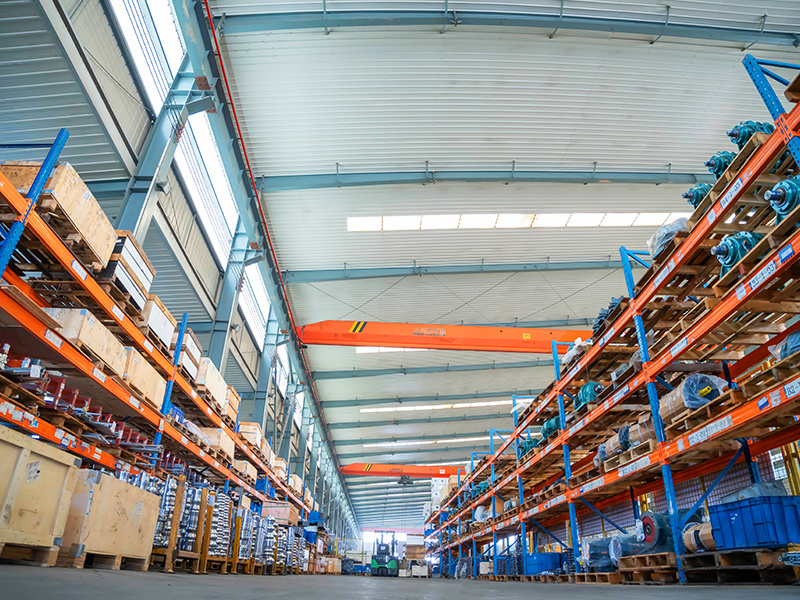
Steel roll forming machines are advanced pieces of equipment used in the manufacturing and processing industry, particularly for creating complex metal profiles from steel. These machines operate on the principle of continuous bending and shaping of metal sheets, resulting in consistently high-quality products tailored to specific industry requirements. Understanding the intricacies of steel roll forming machines is crucial for manufacturers looking to optimize their operations and improve production efficiency.
The process begins with a flat steel sheet, which is fed into the machine. Through a series of rollers, the sheet is gradually shaped into the desired profile. The precise alignment and adjustment of these rollers are critical, as they determine the final dimensions and quality of the product. Steel roll forming machines are capable of producing a wide range of profiles, including C-channels, Z-sections, and U-bolts, among others. This versatility makes them an indispensable tool in various sectors, including construction, automotive, and home appliances.
One of the significant advantages of using steel roll forming machines is the ability to maintain tight tolerances throughout the production process. The machines can be adjusted to produce different shapes and sizes without compromising quality. This flexibility allows manufacturers to respond swiftly to changing market demands and custom orders, enhancing their competitiveness.
Another critical aspect of steel roll forming machines is their efficiency. With the capability for high-speed production, these machines can significantly reduce lead times, allowing manufacturers to meet tight deadlines. Additionally, the continuous nature of the roll forming process minimizes material waste, making it a more sustainable option compared to traditional metalworking methods.
Moreover, modern steel roll forming machines are often equipped with advanced technology, such as Computer Numerical Control (CNC) systems. These systems provide precise control over the forming process, enabling manufacturers to produce intricate designs with a high degree of accuracy. The integration of automation also simplifies operation, reducing labor costs and the potential for human error.
In conclusion, steel roll forming machines play a pivotal role in the manufacturing and processing industry. Their ability to produce high-quality, custom metal profiles efficiently makes them an essential investment for any manufacturer aiming to stay competitive. By understanding the capabilities and advantages of these machines, manufacturers can leverage this technology to enhance their operations and drive business growth. Whether you are new to the industry or looking to upgrade your existing equipment, exploring the features and benefits of steel roll forming machines can provide invaluable insights for your manufacturing processes.
The process begins with a flat steel sheet, which is fed into the machine. Through a series of rollers, the sheet is gradually shaped into the desired profile. The precise alignment and adjustment of these rollers are critical, as they determine the final dimensions and quality of the product. Steel roll forming machines are capable of producing a wide range of profiles, including C-channels, Z-sections, and U-bolts, among others. This versatility makes them an indispensable tool in various sectors, including construction, automotive, and home appliances.
One of the significant advantages of using steel roll forming machines is the ability to maintain tight tolerances throughout the production process. The machines can be adjusted to produce different shapes and sizes without compromising quality. This flexibility allows manufacturers to respond swiftly to changing market demands and custom orders, enhancing their competitiveness.
Another critical aspect of steel roll forming machines is their efficiency. With the capability for high-speed production, these machines can significantly reduce lead times, allowing manufacturers to meet tight deadlines. Additionally, the continuous nature of the roll forming process minimizes material waste, making it a more sustainable option compared to traditional metalworking methods.
Moreover, modern steel roll forming machines are often equipped with advanced technology, such as Computer Numerical Control (CNC) systems. These systems provide precise control over the forming process, enabling manufacturers to produce intricate designs with a high degree of accuracy. The integration of automation also simplifies operation, reducing labor costs and the potential for human error.
In conclusion, steel roll forming machines play a pivotal role in the manufacturing and processing industry. Their ability to produce high-quality, custom metal profiles efficiently makes them an essential investment for any manufacturer aiming to stay competitive. By understanding the capabilities and advantages of these machines, manufacturers can leverage this technology to enhance their operations and drive business growth. Whether you are new to the industry or looking to upgrade your existing equipment, exploring the features and benefits of steel roll forming machines can provide invaluable insights for your manufacturing processes.
Key words:
recommend News
Share
Cangzhou Forward Roll Forming Machinery Manufacturing
Telephone: +86 0317 8308862
Mobile: +86 187 3373 6699
E-mail:info@rollformingmills.com
Skype:james521520
Address: China Hebei Cangzhou Botou City 104 National Road East
Website QR Code

Business License