
-
 Become an influential brand in the world industry!
The company was established in 2008 and is located in Botou, Hebei, a famous casting city in China. -
Products
We continue to develop and create high quality but affordable products
The company is divided into two major factory areas in the north and south. -
Push forward without end
Products are widely used in industrial and civil buildings, such as factories, warehouses, gymnasiums, exhibition halls and other houses and walls. The company has a high starting point and an early start in the products of tile pressing forming and high-altitude tile pressing forming operation platform.
language
Understanding the Essential Components of a Cold Roll Forming Machine
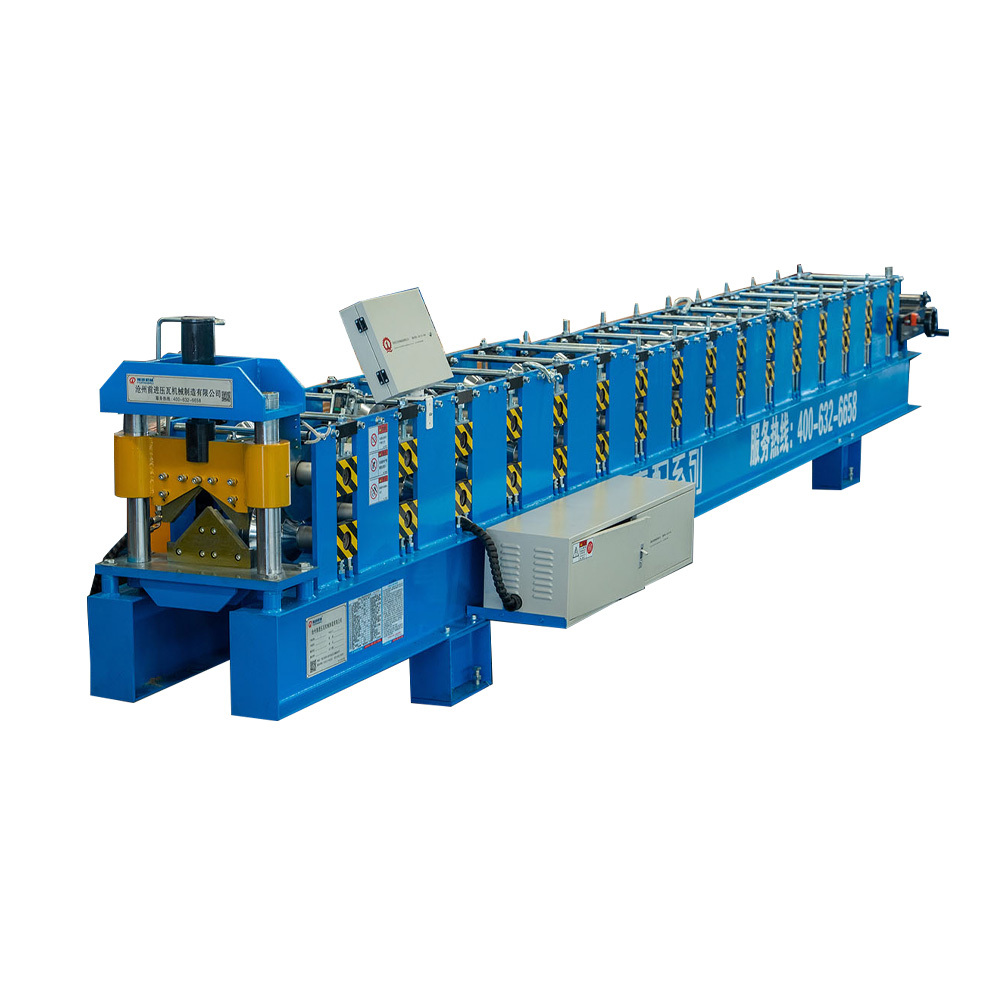
Understanding the Essential Components of a Cold Roll Forming Machine
Cold roll forming is a crucial technique in metal processing, enabling the creation of complex shapes and profiles from metal sheets and strips. For manufacturers and engineers, gaining a comprehensive understanding of the components that constitute a cold roll forming machine is essential to optimizing production processes and enhancing product quality. In this article, we will delve into the various elements of a cold roll forming machine, their functions, and the interplay between them.
Table of Contents
1. Introduction to Cold Roll Forming Machines
2. The Main Components of Cold Roll Forming Machines
2.1 Roll Forming Stands
2.2 Feed Mechanism
2.3 Rollers
2.4 Cutting Tools
2.5 Electrical Control Systems
3. How Cold Roll Forming Machines Work
4. Benefits of Using Cold Roll Forming Machines
5. Common Applications of Cold Roll Forming Machines
6. Maintenance Tips for Cold Roll Forming Machines
7. Frequently Asked Questions (FAQs)
8. Conclusion
1. Introduction to Cold Roll Forming Machines
Cold roll forming is a manufacturing process that involves the continuous bending of metal strips into specific shapes and profiles at room temperature. This process is known for its efficiency, precision, and the ability to produce a wide range of complex shapes without the need for extensive machining. Cold roll forming machines are equipped with various components that work harmoniously to ensure the smooth operation and high-quality output of the production line.
2. The Main Components of Cold Roll Forming Machines
Understanding the key components of a cold roll forming machine will help manufacturers optimize their machinery for better performance and output. Below, we explore each critical component in detail.
2.1 Roll Forming Stands
The roll forming stands are the heart of the cold roll forming machine. They house the rollers, which shape the metal strips as they pass through. Typically constructed from sturdy materials, these stands are designed to withstand significant pressure and maintain alignment during the forming process. The number and configuration of forming stands can vary depending on the complexity of the desired profile.
2.2 Feed Mechanism
The feed mechanism is responsible for guiding the metal strip into the machine at a controlled rate. It often consists of a series of rollers or belts that ensure consistent feeding and positioning of the material. Proper adjustment of the feed mechanism is crucial for achieving the correct profile dimensions and maintaining production efficiency.
2.3 Rollers
Rollers are the primary tools used in cold roll forming to shape the metal. They come in various shapes and sizes, depending on the desired profile, and are often made from hardened steel or carbide to withstand wear. The arrangement of rollers is critical, as it determines the bending sequence and final shape of the formed metal.
2.4 Cutting Tools
Once the metal strip has been formed into the desired profile, cutting tools are employed to trim it to the appropriate length. These tools can be mechanical or hydraulic and are designed for precision cutting, ensuring that the profiles meet specified measurements. The integration of cutting tools within the machine enhances efficiency by allowing for continuous processing.
2.5 Electrical Control Systems
Modern cold roll forming machines are equipped with advanced electrical control systems that monitor and regulate various aspects of the forming process. These systems enable operators to adjust parameters such as speed, temperature, and pressure, ensuring optimal performance. User-friendly interfaces allow for easy operation and troubleshooting, making these machines more efficient and reliable.
3. How Cold Roll Forming Machines Work
The operation of cold roll forming machines begins with the feeding of a flat metal strip into the machine. As the strip enters the first roll forming stand, it is gradually bent into the desired shape as it progresses through a series of rollers. Each roller performs a specific function, contributing to the final profile.
After passing through the rollers, the formed metal strip moves to the cutting station, where it is cut into specified lengths. The entire process is continuous, allowing manufacturers to produce large quantities of uniform profiles quickly and efficiently.
4. Benefits of Using Cold Roll Forming Machines
Cold roll forming machines offer several advantages, making them a preferred choice in many manufacturing applications. Some of these benefits include:
- **High Precision:** Cold roll forming provides consistent and accurate profiles with tight tolerances, reducing the need for secondary machining.
- **Material Efficiency:** The process minimizes waste by optimizing material usage, making it an environmentally friendly choice.
- **Cost-Effectiveness:** High production rates and low labor costs contribute to reduced overall manufacturing expenses.
- **Versatility:** Cold roll forming machines can create a wide range of profiles and shapes, making them suitable for various industries.
- **Strength of Profiles:** The cold working of the metal enhances its strength, resulting in durable and robust products.
5. Common Applications of Cold Roll Forming Machines
Cold roll forming machines are widely used across various industries due to their versatility and efficiency. Some common applications include:
- **Construction Industry:** Producing structural components such as beams, channels, and purlins.
- **Automotive Industry:** Manufacturing parts like brackets, chassis components, and reinforcement sections.
- **Furniture Manufacturing:** Creating frames and supports for various types of furniture.
- **Electrical Industry:** Forming conduits, brackets, and enclosures for electrical systems.
- **HVAC Systems:** Producing ductwork, fittings, and other components for heating and ventilation systems.
6. Maintenance Tips for Cold Roll Forming Machines
To ensure optimal performance and longevity of cold roll forming machines, regular maintenance is essential. Here are some key maintenance tips to consider:
- **Routine Inspections:** Conduct regular checks on all components, looking for signs of wear or damage.
- **Lubrication:** Keep all moving parts well-lubricated to reduce friction and wear.
- **Calibration:** Periodically calibrate the machine to maintain accuracy in the forming process.
- **Cleaning:** Keep the machine clean and free of debris to prevent jams and other operational issues.
- **Operator Training:** Ensure that all operators are trained on the proper use and maintenance of the machinery.
7. Frequently Asked Questions (FAQs)
**Q1: What is the typical speed of a cold roll forming machine?**
A1: The speed of a cold roll forming machine varies, but many can operate at speeds ranging from 10 to 50 meters per minute, depending on the complexity of the profile and material thickness.
**Q2: Can cold roll forming machines process different materials?**
A2: Yes, cold roll forming machines can process various materials, including steel, aluminum, and other alloys, depending on the setup and tooling.
**Q3: What is the difference between cold roll forming and hot roll forming?**
A3: The primary difference lies in the temperature at which the metal is formed. Cold roll forming occurs at room temperature, while hot roll forming involves heating the metal to high temperatures before shaping.
**Q4: How do I choose the right cold roll forming machine for my needs?**
A4: Consider factors such as the types of profiles you wish to produce, the material thickness, production volume, and available space. Consulting with a manufacturer can also help you identify the best machine for your requirements.
**Q5: What is the lifespan of a cold roll forming machine?**
A5: With proper maintenance, cold roll forming machines can last for many years, often exceeding 10 to 20 years of operational life.
8. Conclusion
Understanding the components of a cold roll forming machine is essential for manufacturers and engineers aiming to optimize their production processes and enhance product quality. By familiarizing themselves with the key components, their functions, and the operation of these machines, stakeholders can make informed decisions that lead to improved manufacturing efficiency and reduced costs. As cold roll forming technology continues to evolve, staying abreast of these developments will ensure that your processes remain competitive in the ever-changing landscape of manufacturing.
Key words:
recommend News
Share
Cangzhou Forward Roll Forming Machinery Manufacturing
Telephone: +86 0317 8308862
Mobile: +86 187 3373 6699
E-mail:info@rollformingmills.com
Skype:james521520
Address: China Hebei Cangzhou Botou City 104 National Road East
Website QR Code

Business License