
-
 Become an influential brand in the world industry!
The company was established in 2008 and is located in Botou, Hebei, a famous casting city in China. -
Products
We continue to develop and create high quality but affordable products
The company is divided into two major factory areas in the north and south. -
Push forward without end
Products are widely used in industrial and civil buildings, such as factories, warehouses, gymnasiums, exhibition halls and other houses and walls. The company has a high starting point and an early start in the products of tile pressing forming and high-altitude tile pressing forming operation platform.
language
Understanding the Mechanics Behind Profile Roll Forming Machines: A Comprehensive Guide
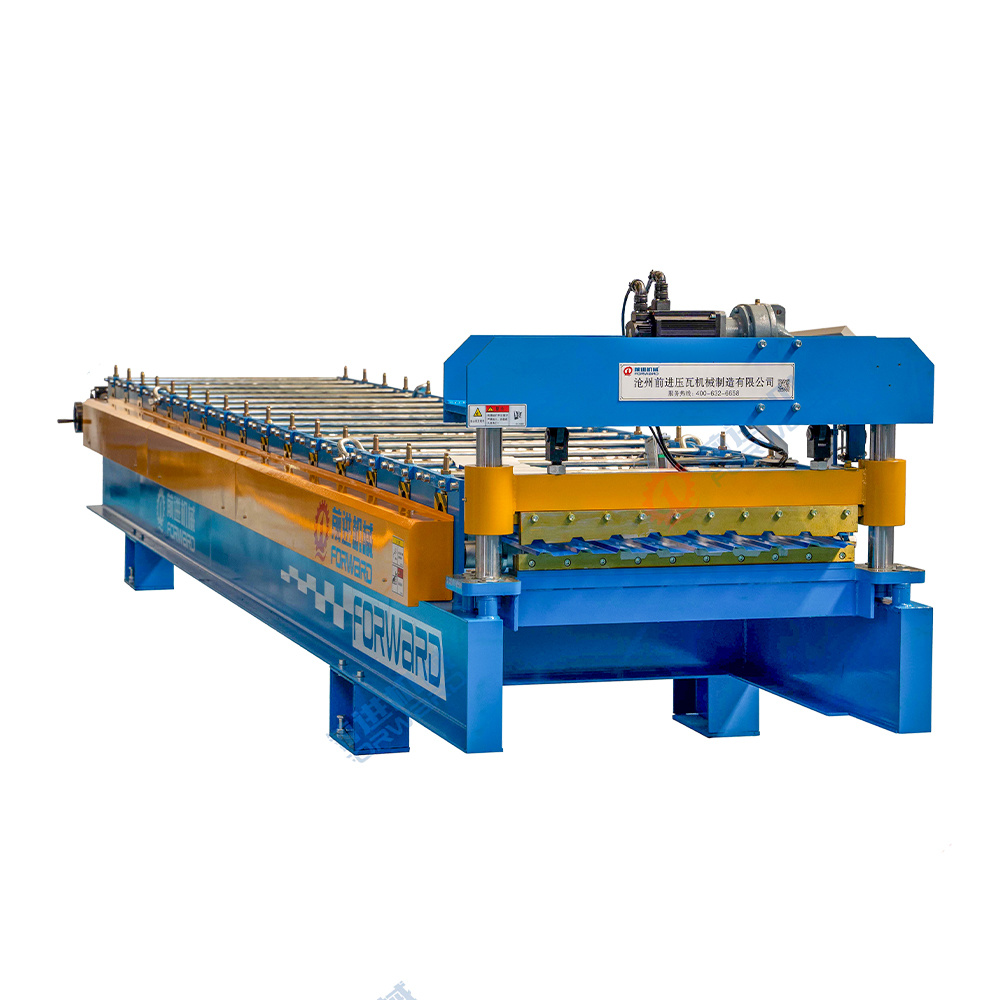
Understanding the Mechanics Behind Profile Roll Forming Machines
Table of Contents
- 1. Introduction to Profile Roll Forming Machines
- 2. Principles of Roll Forming
- 3. Key Components of Profile Roll Forming Machines
- 4. Different Types of Roll Forming Machines
- 5. The Roll Forming Process Explained
- 6. Applications of Profile Roll Forming
- 7. Benefits of Using Profile Roll Forming Machines
- 8. Challenges in Profile Roll Forming
- 9. The Future of Roll Forming Technology
- 10. Frequently Asked Questions
- 11. Conclusion
1. Introduction to Profile Roll Forming Machines
Profile roll forming machines are essential in the manufacturing arena, especially for producing various metal profiles used in construction, automotive, and many other industries. These machines undergo a systematic process of bending, shaping, and forming flat metal sheets into desired profiles. Understanding their mechanics not only enhances efficiency but also ensures the production of high-quality products.
2. Principles of Roll Forming
The principle of roll forming revolves around the gradual deformation of metal sheets. By passing the metal through a series of rollers, the material is progressively shaped into the desired profile. This continuous operation allows for the production of long lengths of profiles, which can then be cut to size.
2.1 The Importance of Material Selection
Choosing the right material is crucial in the roll forming process. Common materials include steel, aluminum, and other alloys. These materials must possess specific properties, such as malleability and tensile strength, to withstand the shaping process without fracturing.
2.2 The Role of Heat Treatment
In many cases, heat treatment is utilized to enhance the workability of the metal. This process can reduce the risk of cracking and improve the overall quality of the formed profile.
3. Key Components of Profile Roll Forming Machines
Understanding the components of profile roll forming machines is vital for grasping their functionality. Key components include:
3.1 Rollers
The rollers are the heart of the roll forming machine. Each set of rollers is designed to perform a specific function, gradually shaping the metal sheet into the desired profile.
3.2 Drive System
The drive system consists of motors and belts that provide the necessary power to rotate the rollers. It is critical for maintaining the precision and speed of the forming process.
3.3 Control Systems
Modern profile roll forming machines are equipped with advanced control systems that ensure consistent quality and efficiency. These systems enable operators to adjust parameters such as speed and pressure based on the material and profile specifications.
4. Different Types of Roll Forming Machines
There are several types of roll forming machines, each tailored to specific applications and materials.
4.1 Thin-Walled Roll Forming Machines
These are designed for producing lightweight profiles, often used in the manufacturing of building materials and automotive parts.
4.2 Heavy-Duty Roll Forming Machines
Built for thicker materials, these machines are used in the production of structural components like beams and channels.
4.3 Custom Roll Forming Machines
These machines are designed based on specific customer requirements, allowing for unique profile shapes and sizes.
5. The Roll Forming Process Explained
The roll forming process can be broken down into several key steps:
5.1 Material Feeding
The process begins with feeding the flat metal sheet into the machine. Proper alignment is critical to ensure uniformity in the final product.
5.2 Progressive Forming
As the sheet passes through the rollers, it is subjected to gradual bending and shaping. Each set of rollers shapes the material more, bringing it closer to the desired profile.
5.3 Cutting and Finishing
Once the desired length is achieved, the profiles are cut to size. Additional finishing processes, such as trimming or punching, may be applied depending on the end product requirements.
6. Applications of Profile Roll Forming
Profile roll forming machines are versatile and find applications across various industries:
6.1 Construction Industry
Roll formed products are widely used in the construction industry for roofing, siding, and structural components.
6.2 Automotive Industry
In the automotive sector, roll formed parts are crucial for vehicle frames and body panels.
6.3 Electrical and HVAC Systems
Profile roll forming is also utilized in the production of ducts and electrical enclosures, ensuring optimal airflow and safety in buildings.
7. Benefits of Using Profile Roll Forming Machines
The use of profile roll forming machines comes with numerous advantages:
7.1 High Production Efficiency
These machines allow for continuous production, significantly increasing output while minimizing labor costs.
7.2 Material Waste Reduction
Profile roll forming minimizes waste compared to other manufacturing processes, making it a more sustainable option.
7.3 Design Flexibility
With the ability to produce complex shapes and profiles, manufacturers can meet diverse customer demands.
8. Challenges in Profile Roll Forming
Despite their advantages, there are challenges associated with profile roll forming processes:
8.1 Initial Setup Costs
The initial investment for high-quality roll forming machines can be substantial, posing a barrier for small manufacturers.
8.2 Tool Wear and Maintenance
Regular maintenance is crucial as the rollers and components can wear out over time, affecting the quality of the production.
9. The Future of Roll Forming Technology
Advancements in technology are shaping the future of profile roll forming. Innovations such as automation, improved materials, and smart manufacturing systems are enhancing efficiency and product quality.
9.1 Automation and Industry 4.0
Integrating Industry 4.0 technologies into roll forming processes allows for real-time monitoring and data analysis, leading to better decision-making and production optimization.
9.2 Sustainability Efforts
The push for more sustainable manufacturing practices is prompting the development of energy-efficient roll forming machines and processes that further reduce waste.
10. Frequently Asked Questions
10.1 What materials can be processed with profile roll forming machines?
Profile roll forming machines can process a variety of materials, including steel, aluminum, and certain composites, depending on the machine's specifications.
10.2 How does roll forming compare to other forming processes?
Roll forming is advantageous for high-volume production, offering consistency and lower waste compared to processes like stamping or die forming.
10.3 What is the typical production rate of roll forming machines?
Production rates vary, but many machines can achieve up to several hundred feet of profiles per minute, depending on the complexity of the profile and material.
10.4 Can roll forming machines be customized for specific profiles?
Yes, custom roll forming machines can be designed to accommodate unique profiles based on customer specifications.
10.5 What maintenance is required for roll forming machines?
Regular lubrication, inspection of rollers, and alignment checks are essential to maintain machine performance and longevity.
11. Conclusion
Understanding the mechanics behind profile roll forming machines is crucial for anyone involved in manufacturing or engineering sectors. These machines embody a blend of precision, efficiency, and versatility, making them integral in producing high-quality metal profiles across various industries. As technology continues to evolve, the future of profile roll forming looks promising, offering even greater efficiency and sustainability in manufacturing processes. Investing in knowledge about these machines not only enhances operational effectiveness but also fosters innovation in product design and development.
Key words:
recommend News
Share
Cangzhou Forward Roll Forming Machinery Manufacturing
Telephone: +86 0317 8308862
Mobile: +86 187 3373 6699
E-mail:info@rollformingmills.com
Skype:james521520
Address: China Hebei Cangzhou Botou City 104 National Road East
Website QR Code

Business License