
-
 Become an influential brand in the world industry!
The company was established in 2008 and is located in Botou, Hebei, a famous casting city in China. -
Products
We continue to develop and create high quality but affordable products
The company is divided into two major factory areas in the north and south. -
Push forward without end
Products are widely used in industrial and civil buildings, such as factories, warehouses, gymnasiums, exhibition halls and other houses and walls. The company has a high starting point and an early start in the products of tile pressing forming and high-altitude tile pressing forming operation platform.
language
Understanding Panel Roll Former Machines: The Key to Efficient Manufacturing
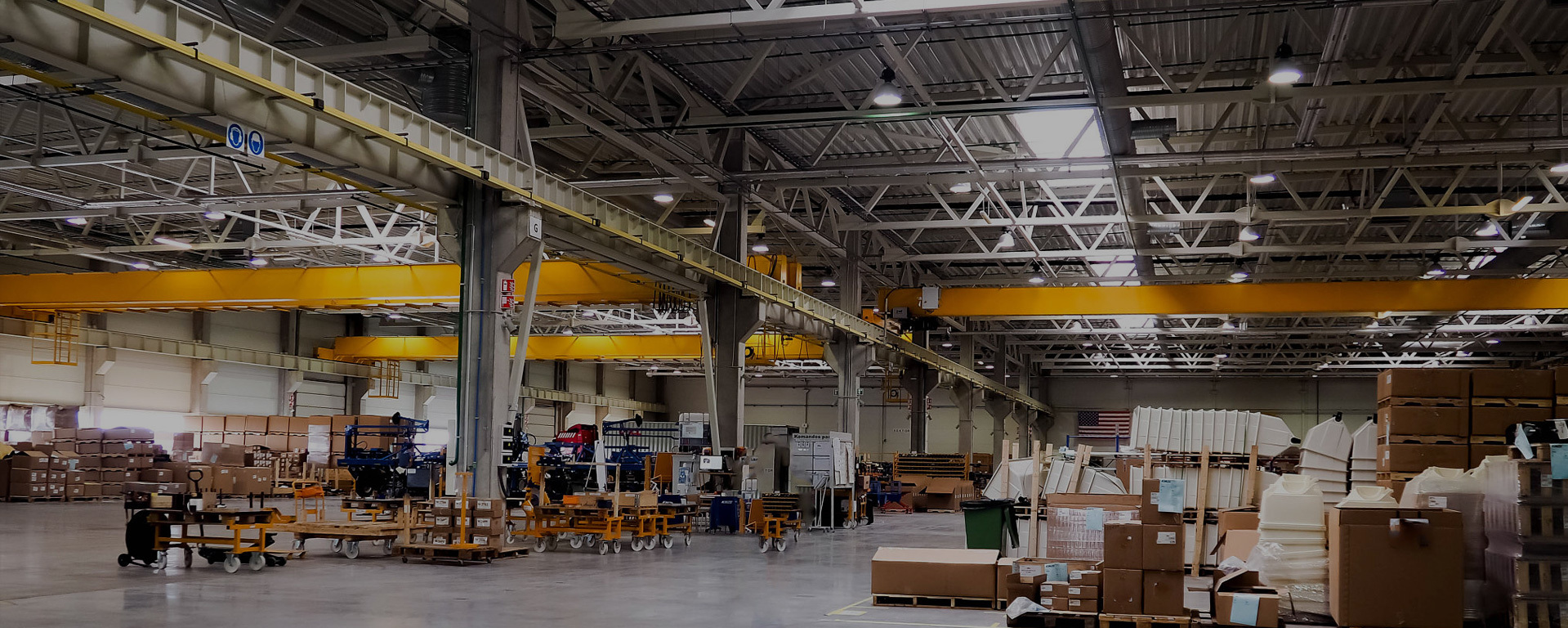
Panel roll former machines are specialized equipment designed for the production of metal panels used in various applications, including roofing, wall cladding, and structural components. These machines employ a continuous forming process, transforming flat metal sheets into desired profiles with precision and efficiency. Understanding the intricacies of panel roll former machines can significantly benefit manufacturers looking to streamline their production processes and enhance product quality.
One of the key advantages of employing panel roll former machines is their ability to produce consistent, high-quality panels at a rapid pace. The machines operate by feeding metal sheets through a series of rollers, which gradually shape the material into the final profile. This continuous process minimizes waste and maximizes productivity, allowing manufacturers to meet increasing demand without sacrificing quality.
Customization is another essential feature of panel roll former machines. Many models can be tailored to produce a wide variety of panel shapes and sizes, accommodating unique customer requirements. By having the capability to switch between different profiles quickly, manufacturers can maintain flexibility in their production lines, adapting to changing market needs and improving overall responsiveness.
Moreover, advancements in technology have led to the development of computer-controlled panel roll former machines. These machines can be programmed to ensure precise measurements and tolerances, thereby reducing human error and enhancing the consistency of the final products. This level of automation not only boosts efficiency but also allows operators to focus on other critical aspects of the manufacturing process.
Maintenance is another vital aspect to consider when working with panel roll former machines. Regular upkeep ensures that the machinery operates smoothly, minimizing downtime and operational costs. Manufacturers should establish a routine maintenance schedule, including lubrication, inspection, and necessary repairs, to prolong the lifespan of the machines and maintain optimal performance.
When selecting a panel roll former machine, it's essential to consider various factors, including production capacity, required panel types, and available space in the facility. Understanding the specific needs of the manufacturing process will help in making an informed decision that aligns with business objectives.
In conclusion, panel roll former machines play a pivotal role in the manufacturing sector. Their ability to produce high-quality panels efficiently, coupled with customization options and technological advancements, makes them invaluable to businesses aiming to maximize productivity. By investing in the right panel roll former machine and ensuring proper maintenance, manufacturers can enhance their operations and better serve their clients in a competitive marketplace.
One of the key advantages of employing panel roll former machines is their ability to produce consistent, high-quality panels at a rapid pace. The machines operate by feeding metal sheets through a series of rollers, which gradually shape the material into the final profile. This continuous process minimizes waste and maximizes productivity, allowing manufacturers to meet increasing demand without sacrificing quality.
Customization is another essential feature of panel roll former machines. Many models can be tailored to produce a wide variety of panel shapes and sizes, accommodating unique customer requirements. By having the capability to switch between different profiles quickly, manufacturers can maintain flexibility in their production lines, adapting to changing market needs and improving overall responsiveness.
Moreover, advancements in technology have led to the development of computer-controlled panel roll former machines. These machines can be programmed to ensure precise measurements and tolerances, thereby reducing human error and enhancing the consistency of the final products. This level of automation not only boosts efficiency but also allows operators to focus on other critical aspects of the manufacturing process.
Maintenance is another vital aspect to consider when working with panel roll former machines. Regular upkeep ensures that the machinery operates smoothly, minimizing downtime and operational costs. Manufacturers should establish a routine maintenance schedule, including lubrication, inspection, and necessary repairs, to prolong the lifespan of the machines and maintain optimal performance.
When selecting a panel roll former machine, it's essential to consider various factors, including production capacity, required panel types, and available space in the facility. Understanding the specific needs of the manufacturing process will help in making an informed decision that aligns with business objectives.
In conclusion, panel roll former machines play a pivotal role in the manufacturing sector. Their ability to produce high-quality panels efficiently, coupled with customization options and technological advancements, makes them invaluable to businesses aiming to maximize productivity. By investing in the right panel roll former machine and ensuring proper maintenance, manufacturers can enhance their operations and better serve their clients in a competitive marketplace.
Key words:
recommend News
Share
Cangzhou Forward Roll Forming Machinery Manufacturing
Telephone: +86 0317 8308862
Mobile: +86 187 3373 6699
E-mail:info@rollformingmills.com
Skype:james521520
Address: China Hebei Cangzhou Botou City 104 National Road East
Website QR Code

Business License