
-
 Become an influential brand in the world industry!
The company was established in 2008 and is located in Botou, Hebei, a famous casting city in China. -
Products
We continue to develop and create high quality but affordable products
The company is divided into two major factory areas in the north and south. -
Push forward without end
Products are widely used in industrial and civil buildings, such as factories, warehouses, gymnasiums, exhibition halls and other houses and walls. The company has a high starting point and an early start in the products of tile pressing forming and high-altitude tile pressing forming operation platform.
language
Why Your Factory Needs a Steel Frame Roll Forming Machine Today
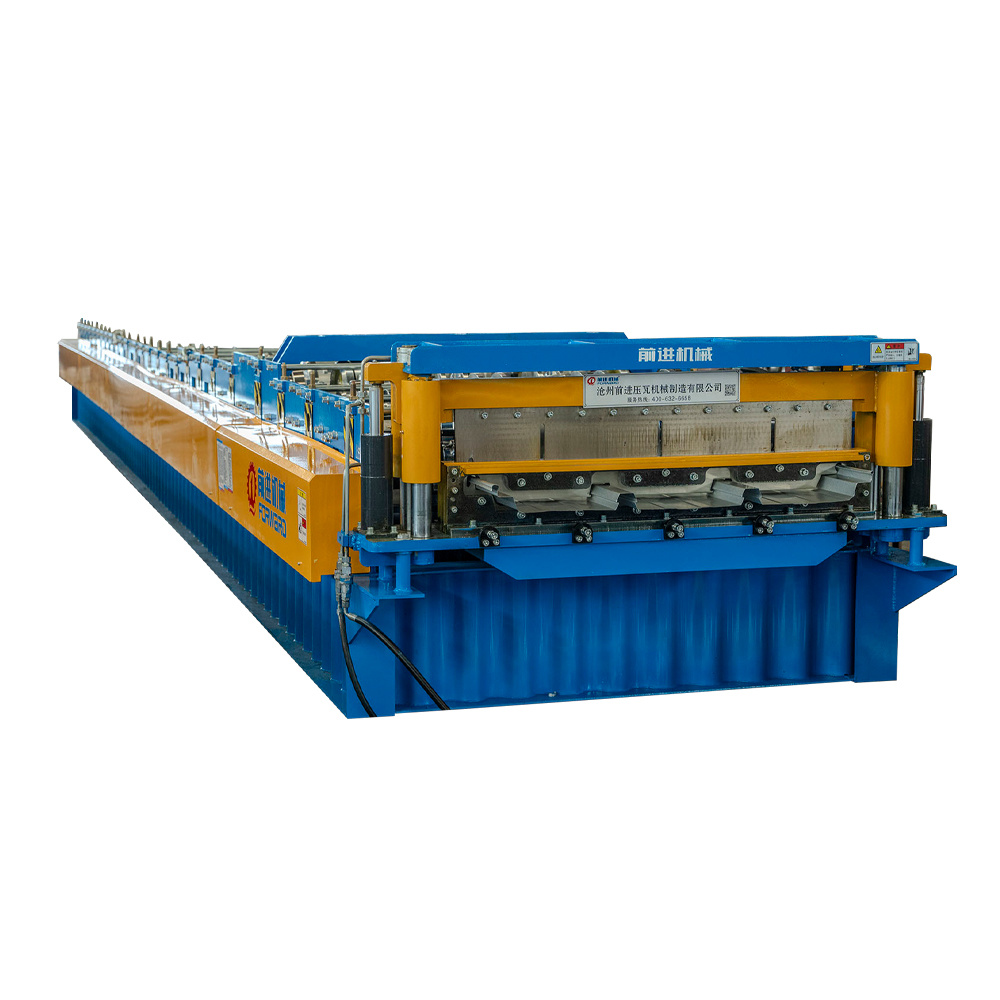
Why Your Factory Needs a Steel Frame Roll Forming Machine Today
Manufacturing is rapidly evolving, and businesses must adapt to stay competitive. One of the most significant advancements in manufacturing technology is the use of steel frame roll forming machines. In this article, we will explore the compelling reasons why your factory needs this innovative equipment, its applications, benefits, and how it can enhance your production capabilities.
The Basics of Steel Frame Roll Forming Machines
Steel frame roll forming machines are specialized tools designed to shape and form steel into various profiles and structures. These machines utilize a series of rollers to gradually bend and mold steel sheets into the desired shapes without compromising the structural integrity of the material. They are ideal for producing components used in construction, automotive, and other industries where strength and durability are paramount.
The Advantages of Incorporating Roll Forming Technology
1. **Increased Production Efficiency**
Steel frame roll forming machines can significantly enhance your production efficiency. By automating the shaping process, these machines reduce the time and labor required to produce steel components. This automation allows factories to meet high-volume demands with consistent quality, leading to reduced lead times and increased customer satisfaction.
2. **Cost-Effectiveness**
Although the initial investment in a steel frame roll forming machine can be substantial, the long-term cost savings are noteworthy. These machines minimize material waste, optimize labor costs, and reduce energy consumption. Over time, the return on investment (ROI) becomes clear as your factory saves money on both production costs and wasted materials.
3. **Versatility in Production**
Roll forming machines are incredibly versatile, capable of producing a wide range of profiles and shapes. From C-sections and U-channels to custom designs tailored to specific project requirements, the adaptability of these machines allows manufacturers to respond quickly to market demands. This versatility can give your factory a competitive edge.
Key Features of Steel Frame Roll Forming Machines
Understanding the essential features of steel frame roll forming machines helps in making informed decisions about your investment. Here are some key features to consider:
Robust Construction and Durability
Steel frame roll forming machines are built to withstand the rigors of high-volume production. Their robust construction ensures longevity and reliable performance, reducing maintenance costs and downtime. Investing in durable machinery pays off in the long run as your production capabilities remain uninterrupted.
Advanced Technology and Automation
Modern roll forming machines come equipped with advanced technology, including programmable logic controllers (PLCs) and touch-screen interfaces. These features streamline the operation, allowing for easy adjustments and monitoring of the production process. Automation reduces the likelihood of human error, ensuring consistent quality throughout the production cycle.
Integration with CAD/CAM Systems
Many steel frame roll forming machines can integrate with Computer-Aided Design (CAD) and Computer-Aided Manufacturing (CAM) systems. This integration enables manufacturers to create precise designs and transfer them directly to the roll forming machine. The result is an efficient workflow that minimizes errors and maximizes output.
Applications of Steel Frame Roll Forming Machines
Steel frame roll forming machines are used across various industries, demonstrating their versatility and essential role in modern manufacturing. Here are some notable applications:
Construction Industry
In the construction sector, steel frame roll forming machines produce structural components like beams, trusses, and framing for buildings. These components are crucial for creating sturdy and reliable structures. The ability to produce custom shapes and sizes means that manufacturers can meet specific project requirements efficiently.
Automotive Manufacturing
The automotive industry also benefits from roll forming technology. Steel frames for vehicles require precision and strength to ensure safety and performance. Roll forming machines can produce components like chassis parts, brackets, and reinforcements, all of which are essential for vehicle integrity.
Manufacturing of HVAC Systems
Heating, ventilation, and air conditioning (HVAC) systems require various metal components, including ducts and frames. Steel frame roll forming machines can efficiently produce these components, ensuring they meet the necessary specifications for functionality and safety.
Understanding the Return on Investment (ROI)
When considering the purchase of a steel frame roll forming machine, it's essential to evaluate the potential return on investment. Here are several factors to consider:
Reduction in Labor Costs
By automating the roll forming process, factories can significantly reduce labor costs. Fewer workers are needed to operate and oversee the production line, allowing staff to focus on higher-value tasks that require human expertise.
Minimization of Material Waste
Steel frame roll forming machines are designed to maximize material usage. The precision of the forming process reduces scrap metal and other waste, leading to lower material costs and improved sustainability practices.
Enhanced Product Quality
The consistency achieved through automated roll forming translates to higher product quality. Fewer defects mean less rework and reduced costs associated with returns and replacements, further increasing your factory's profitability.
Choosing the Right Steel Frame Roll Forming Machine
Choosing the right steel frame roll forming machine is crucial for your factory's success. Here are some factors to consider:
Production Requirements
Assess your production needs, including the types of profiles you need to produce and the volume of production. This assessment will help you select a machine that meets your specific requirements.
Budget Considerations
Establish a budget for your investment. While it’s essential to invest in quality machinery, it is equally vital to find a machine that provides the best value for your specific production needs.
Manufacturer Reputation
Do thorough research on manufacturers of steel frame roll forming machines. Consider factors such as their reputation, warranty offerings, and customer support before making a decision. A reliable manufacturer can provide ongoing support and assistance, which is crucial for the successful operation of your machinery.
Common Misconceptions About Roll Forming Machines
Despite the numerous benefits, some misconceptions about steel frame roll forming machines persist. Addressing these can help you make a more informed decision.
Roll Forming Machines Are Only for Large Factories
While larger manufacturing facilities often utilize roll forming machines, smaller operations can also benefit greatly. Many machines are designed for flexibility and can be scaled to meet the needs of smaller production runs.
They Are Too Expensive to Justify
Though the initial investment can be significant, the long-term savings and efficiency gains make roll forming machines a justifiable expense. The ROI often outweighs the initial costs when considering reduced labor, material waste, and increased production rates.
FAQs About Steel Frame Roll Forming Machines
1. What types of materials can be used with a steel frame roll forming machine?
Steel frame roll forming machines are primarily designed for steel, but they can also work with other materials such as aluminum and stainless steel, depending on the machine's specifications.
2. How does a steel frame roll forming machine enhance production efficiency?
By automating the forming process, these machines reduce the time and labor required for production, allowing for higher output rates and consistent quality.
3. Can roll forming machines produce custom shapes?
Yes, one of the primary advantages of roll forming machines is their ability to produce custom shapes tailored to specific project needs.
4. What is the average lifespan of a steel frame roll forming machine?
With proper maintenance, a steel frame roll forming machine can last for many years, often exceeding a decade, depending on usage and care.
5. What factors should I consider when purchasing a roll forming machine?
Consider your production requirements, budget, manufacturer reputation, and the specific applications for which you intend to use the machine.
Conclusion
Incorporating a steel frame roll forming machine into your factory is an investment that can enhance efficiency, reduce costs, and improve product quality. As the manufacturing industry continues to evolve, embracing advanced technologies like roll forming is crucial for staying competitive. By understanding the benefits, applications, and essential features of these machines, you can make an informed decision that positions your factory for success in the years to come. The time to invest in a steel frame roll forming machine is now—seize the opportunity to revolutionize your production capabilities today.
recommend News
Share
Cangzhou Forward Roll Forming Machinery Manufacturing
Telephone: +86 0317 8308862
Mobile: +86 187 3373 6699
E-mail:info@rollformingmills.com
Skype:james521520
Address: China Hebei Cangzhou Botou City 104 National Road East
Website QR Code

Business License