
-
 Become an influential brand in the world industry!
The company was established in 2008 and is located in Botou, Hebei, a famous casting city in China. -
Products
We continue to develop and create high quality but affordable products
The company is divided into two major factory areas in the north and south. -
Push forward without end
Products are widely used in industrial and civil buildings, such as factories, warehouses, gymnasiums, exhibition halls and other houses and walls. The company has a high starting point and an early start in the products of tile pressing forming and high-altitude tile pressing forming operation platform.
language
The Essential Guide to Roll Forming Line Machines in Manufacturing
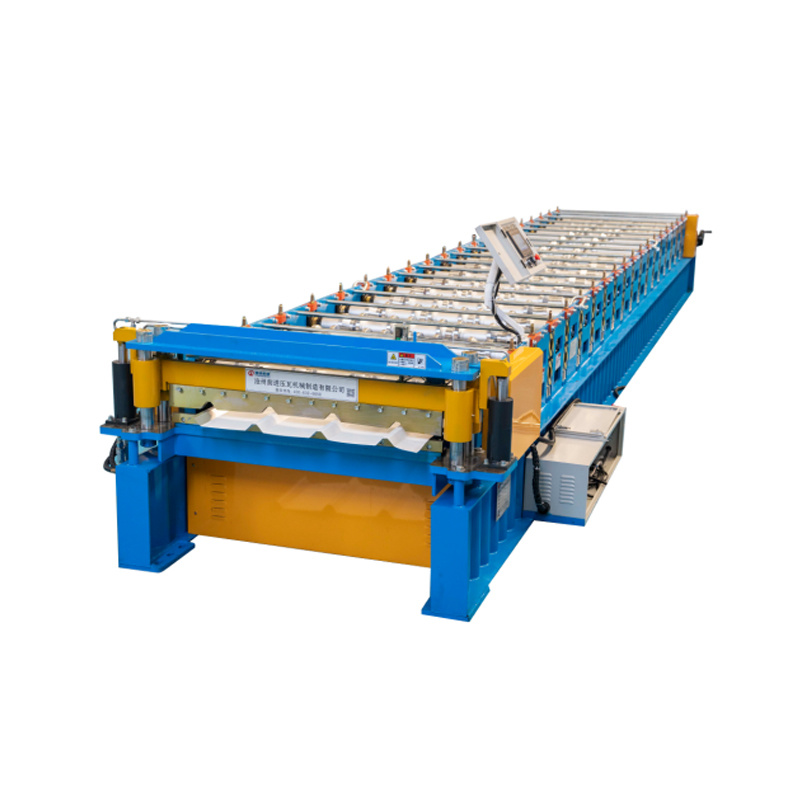
Roll forming line machines are integral to the manufacturing industry, especially in the realm of other processing machinery. These machines specialize in transforming metal sheets into complex shapes through a series of rollers. The process of roll forming is highly efficient and capable of producing long lengths of continuous metal profiles, making it an invaluable asset in many manufacturing applications.
The operation of a roll forming line machine involves several key stages. Initially, a flat metal strip is fed into the machine. As the strip passes through a series of forming rollers, it is gradually shaped into the desired profile. The design of these rollers is crucial, as they determine the final form of the product. The precision of the roll forming process allows for tight tolerances and consistent quality across large production runs.
One of the primary advantages of using roll forming line machines is their ability to produce lightweight yet sturdy components. This is particularly beneficial in industries such as automotive, construction, and appliance manufacturing, where strength-to-weight ratios are critical. The versatility of roll forming allows for a wide range of materials to be processed, including steel, aluminum, and even certain plastics, catering to diverse manufacturing needs.
In addition to their versatility, roll forming line machines are known for their efficiency. These machines can operate at high speeds while maintaining a low scrap rate, leading to cost savings and increased productivity for manufacturers. Moreover, the automation of these machines minimizes labor costs and reduces the risk of human error, further enhancing operational efficiency.
Another key aspect to consider is the customization capabilities of roll forming line machines. Manufacturers can design specific roller profiles tailored to their production requirements. This adaptability enables the creation of unique shapes and sizes, accommodating the diverse demands of different industries. Furthermore, advancements in technology have led to the integration of computer-aided design (CAD) systems with roll forming machines, streamlining the design and production process.
Maintenance of roll forming line machines is also crucial to ensure longevity and optimal performance. Regular inspections and servicing can prevent unexpected downtime and enhance the overall efficiency of the production line. Manufacturers are encouraged to develop a comprehensive maintenance schedule to address potential issues proactively.
In conclusion, roll forming line machines are a cornerstone of modern manufacturing processes. Their ability to efficiently produce complex shapes from metal sheets, combined with customization and automation features, makes them indispensable in various industries. Understanding the operational intricacies and benefits of these machines can empower professionals to make informed decisions in their manufacturing processes and enhance overall productivity.
The operation of a roll forming line machine involves several key stages. Initially, a flat metal strip is fed into the machine. As the strip passes through a series of forming rollers, it is gradually shaped into the desired profile. The design of these rollers is crucial, as they determine the final form of the product. The precision of the roll forming process allows for tight tolerances and consistent quality across large production runs.
One of the primary advantages of using roll forming line machines is their ability to produce lightweight yet sturdy components. This is particularly beneficial in industries such as automotive, construction, and appliance manufacturing, where strength-to-weight ratios are critical. The versatility of roll forming allows for a wide range of materials to be processed, including steel, aluminum, and even certain plastics, catering to diverse manufacturing needs.
In addition to their versatility, roll forming line machines are known for their efficiency. These machines can operate at high speeds while maintaining a low scrap rate, leading to cost savings and increased productivity for manufacturers. Moreover, the automation of these machines minimizes labor costs and reduces the risk of human error, further enhancing operational efficiency.
Another key aspect to consider is the customization capabilities of roll forming line machines. Manufacturers can design specific roller profiles tailored to their production requirements. This adaptability enables the creation of unique shapes and sizes, accommodating the diverse demands of different industries. Furthermore, advancements in technology have led to the integration of computer-aided design (CAD) systems with roll forming machines, streamlining the design and production process.
Maintenance of roll forming line machines is also crucial to ensure longevity and optimal performance. Regular inspections and servicing can prevent unexpected downtime and enhance the overall efficiency of the production line. Manufacturers are encouraged to develop a comprehensive maintenance schedule to address potential issues proactively.
In conclusion, roll forming line machines are a cornerstone of modern manufacturing processes. Their ability to efficiently produce complex shapes from metal sheets, combined with customization and automation features, makes them indispensable in various industries. Understanding the operational intricacies and benefits of these machines can empower professionals to make informed decisions in their manufacturing processes and enhance overall productivity.
Key words:
recommend News
Share
Cangzhou Forward Roll Forming Machinery Manufacturing
Telephone: +86 0317 8308862
Mobile: +86 187 3373 6699
E-mail:info@rollformingmills.com
Skype:james521520
Address: China Hebei Cangzhou Botou City 104 National Road East
Website QR Code

Business License