
-
 Become an influential brand in the world industry!
The company was established in 2008 and is located in Botou, Hebei, a famous casting city in China. -
Products
We continue to develop and create high quality but affordable products
The company is divided into two major factory areas in the north and south. -
Push forward without end
Products are widely used in industrial and civil buildings, such as factories, warehouses, gymnasiums, exhibition halls and other houses and walls. The company has a high starting point and an early start in the products of tile pressing forming and high-altitude tile pressing forming operation platform.
language
Cold Roll Forming Machines vs. Traditional Methods: A Comprehensive Comparative Study
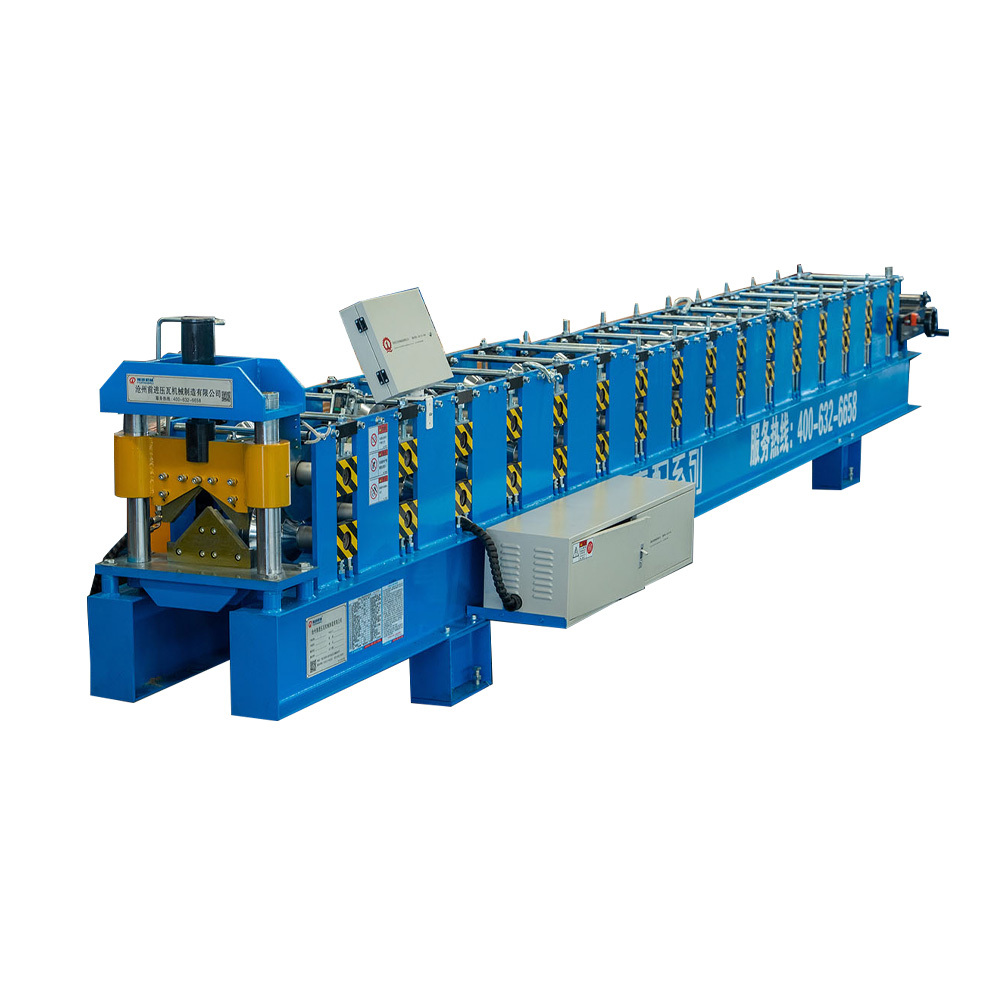
Cold Roll Forming Machines vs. Traditional Methods: A Comprehensive Comparative Study
Table of Contents
- 1. Introduction to Cold Roll Forming and Traditional Methods
- 2. Understanding Cold Roll Forming
- 2.1 Mechanism of Cold Roll Forming
- 2.2 Materials Used in Cold Roll Forming
- 2.3 Applications of Cold Roll Forming
- 3. Traditional Manufacturing Methods Explained
- 3.1 Mechanical Processes
- 3.2 Materials Commonly Used in Traditional Methods
- 3.3 Applications of Traditional Methods
- 4. Comparative Analysis: Cold Roll Forming vs. Traditional Methods
- 5. Case Studies: Real-world Applications
- 6. Future Trends in Metal Fabrication
- 7. Conclusion
- 8. Frequently Asked Questions
1. Introduction to Cold Roll Forming and Traditional Methods
In the realm of manufacturing, **cold roll forming machines** and **traditional methods** stand as two pivotal approaches for fabricating metal components. As industries evolve, understanding the differences between these methodologies becomes essential for optimizing production processes, maintaining competitive advantages, and meeting the dynamic demands of the market. This article aims to provide a thorough comparative study, illuminating the unique characteristics, benefits, and limitations of cold roll forming machines alongside traditional manufacturing methods.
2. Understanding Cold Roll Forming
Cold roll forming is a continuous bending operation in which a long strip of metal is fed through a series of rollers to achieve the desired cross-sectional shape. This technique is widely recognized for its precision, efficiency, and cost-effectiveness.
2.1 Mechanism of Cold Roll Forming
The process begins with a flat metal strip or sheet, typically made of steel or aluminum. As the strip progresses through the rollers, it undergoes a series of deformation steps, where each roller gradually shapes the material without adding heat. The absence of heating minimizes material distortion and stress, resulting in high dimensional accuracy.
2.2 Materials Used in Cold Roll Forming
Cold roll forming is compatible with a variety of materials, including:
- Mild steel
- Stainless steel
- Aluminum
- Copper
Each material offers distinct advantages depending on the application, such as corrosion resistance or lightweight properties.
2.3 Applications of Cold Roll Forming
Cold roll forming is extensively used in diverse sectors, such as:
- Automotive manufacturing
- Construction and structural applications
- HVAC systems
- Electrical enclosures
These applications illustrate the versatility and effectiveness of cold roll forming in producing complex shapes with high accuracy.
3. Traditional Manufacturing Methods Explained
Traditional manufacturing methods encompass a wide range of processes, including machining, welding, casting, and stamping. Each of these methodologies has its unique strengths and weaknesses.
3.1 Mechanical Processes
In traditional methods, mechanical processes like machining and welding rely heavily on thermal and mechanical energy to shape materials. For instance, machining involves removing material to achieve the desired dimensions, while welding joins two or more parts through heat application.
3.2 Materials Commonly Used in Traditional Methods
Traditional methods also utilize a broad spectrum of materials, including:
- Steel
- Aluminum
- Brass
- Plastics
The choice of materials often depends on the application requirements and the intended final product.
3.3 Applications of Traditional Methods
Traditional manufacturing methods serve various industries, such as:
- Aerospace
- Defense
- Heavy machinery
- Consumer goods
These applications highlight the importance of traditional methods in producing both functional and aesthetic components.
4. Comparative Analysis: Cold Roll Forming vs. Traditional Methods
When evaluating cold roll forming machines against traditional manufacturing methods, several key factors come into play.
4.1 Cost Efficiency
Cold roll forming often proves to be more cost-efficient due to its material utilization and reduced labor costs. Since it minimizes waste and requires fewer operators, companies can achieve higher profitability with cold roll forming processes.
4.2 Production Speed
Cold roll forming machines can operate continuously, leading to significantly faster production rates compared to traditional methods. This speed is particularly advantageous for large-scale production runs where time and efficiency are paramount.
4.3 Design Flexibility
While traditional methods may excel in one-off custom fabrication, cold roll forming allows for intricate designs that can be reproduced consistently. The ability to modify roller configurations quickly enhances design flexibility, making it ideal for evolving project requirements.
4.4 Quality Control
Quality control is an essential aspect of any manufacturing process. Cold roll forming machines offer superior consistency and precision, resulting in fewer defects. Traditional methods may require additional quality assurance measures to ensure product integrity, increasing time and costs.
5. Case Studies: Real-world Applications
Examining real-world applications helps to illustrate the practical benefits of each methodology. For instance, an automotive manufacturer might choose cold roll forming for producing chassis components due to its efficiency and precision, while a custom fabrication shop may opt for traditional methods to create unique parts tailored to specific client needs.
6. Future Trends in Metal Fabrication
As technology advances, the landscape of metal fabrication continues to evolve. Emerging trends include:
- Automation and robotics in cold roll forming processes
- Integration of advanced materials and composites
- The use of data analytics for predictive maintenance and quality control
These trends signify a shift towards more efficient, adaptable, and intelligent manufacturing techniques.
7. Conclusion
In conclusion, choosing between cold roll forming machines and traditional manufacturing methods depends on various factors, including cost, production speed, design flexibility, and quality control. While cold roll forming offers numerous advantages, traditional methods remain valuable for certain applications. Understanding the unique characteristics and benefits of each approach will empower manufacturers to make informed decisions that align with their operational goals and market demands.
8. Frequently Asked Questions
1. What are the main advantages of cold roll forming machines?
Cold roll forming machines provide enhanced cost efficiency, higher production speeds, improved design flexibility, and superior quality control.
2. Can cold roll forming be used for any metal material?
While cold roll forming is compatible with various materials, it is most commonly used with mild steel, stainless steel, aluminum, and copper.
3. How does cold roll forming compare to stamping?
While both processes can create complex shapes, cold roll forming offers continuous production and less material waste, making it more efficient for certain applications.
4. Is cold roll forming suitable for small production runs?
Cold roll forming is generally more beneficial for large production runs due to its efficiency and cost-effectiveness; however, it can be adapted for smaller runs depending on the specific requirements.
5. What industries benefit most from cold roll forming technology?
Industries such as automotive, construction, HVAC, and electrical applications frequently utilize cold roll forming due to its precision and ability to produce complex designs efficiently.
Key words:
recommend News
Share
Cangzhou Forward Roll Forming Machinery Manufacturing
Telephone: +86 0317 8308862
Mobile: +86 187 3373 6699
E-mail:info@rollformingmills.com
Skype:james521520
Address: China Hebei Cangzhou Botou City 104 National Road East
Website QR Code

Business License