-
 Become an influential brand in the world industry!
The company was established in 2008 and is located in Botou, Hebei, a famous casting city in China. -
Products
We continue to develop and create high quality but affordable products
The company is divided into two major factory areas in the north and south. -
Push forward without end
Products are widely used in industrial and civil buildings, such as factories, warehouses, gymnasiums, exhibition halls and other houses and walls. The company has a high starting point and an early start in the products of tile pressing forming and high-altitude tile pressing forming operation platform.
Exploring the Advanced Technology Behind Steel Frame Roll Forming Machines
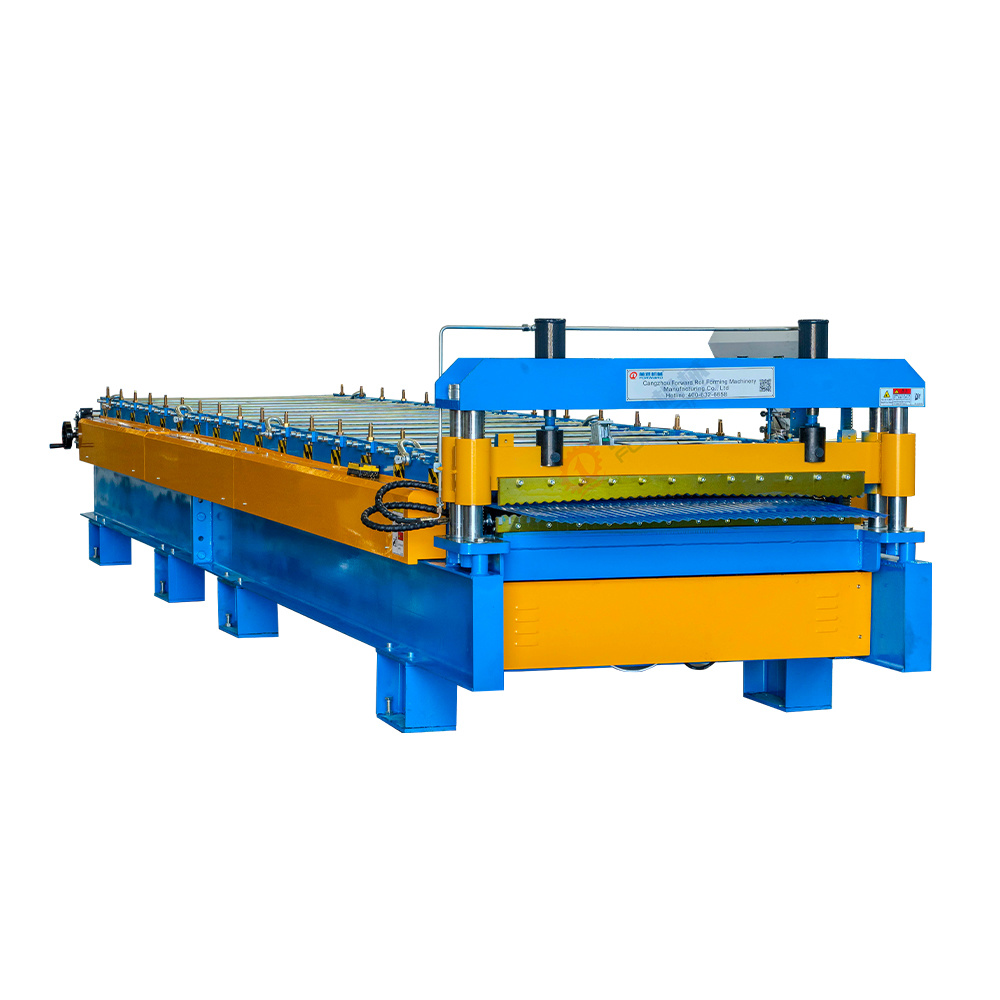
Exploring the Advanced Technology Behind Steel Frame Roll Forming Machines
Table of Contents
- What Are Steel Frame Roll Forming Machines?
- The Process of Roll Forming
- Key Components of Roll Forming Machines
- Advancements in Roll Forming Technology
- Applications of Steel Frame Roll Forming Machines
- Benefits of Using Steel Frame Roll Forming Machines
- Industry Standards and Regulations
- Future Trends in Roll Forming Technology
- FAQs
What Are Steel Frame Roll Forming Machines?
Steel frame roll forming machines are advanced manufacturing tools designed to create complex shapes and profiles from metal strips. These machines operate on the principle of transforming flat steel sheets into various shapes through a series of rollers. The precision engineering involved allows for consistent dimensions and high-quality finishes. Industries such as construction, automotive, and appliances extensively utilize these machines due to their efficiency and adaptability.
The Process of Roll Forming
Roll forming is a continuous bending operation where a long strip of metal is passed through consecutive pairs of rolls. Each roll progressively shapes the metal until the desired profile is achieved. This process begins with the input of flat metal sheets, which are fed into the machine. The rollers then shape the metal while maintaining a uniform thickness, resulting in a finished product that meets stringent specifications.
Step-by-Step Breakdown of the Roll Forming Process
- Material Selection: Choosing the right gauge and type of metal is critical for achieving the desired strength and durability.
- Design Preparation: Engineers create design specifications and drawings to guide the roll forming process.
- Tooling Setup: The machine is equipped with rollers specifically designed for the intended profile.
- Roll Forming: The metal strip is fed into the machine, where it undergoes gradual bending and shaping.
- Finishing Operations: Additional processes, such as cutting and welding, may finalize the product.
Key Components of Roll Forming Machines
Understanding the primary components of steel frame roll forming machines is essential for recognizing how they operate efficiently. Key components include:
1. Rollers
The rollers are the heart of the roll forming machine, crafted to shape the metal into the desired profile. They are meticulously designed for different applications, ensuring high accuracy and minimal waste.
2. Drive System
The drive system provides the necessary power to pull the metal strip through the rollers. Precision in this component is crucial as it maintains the speed and tension throughout the forming process.
3. Control System
A sophisticated control system monitors and adjusts the machine's operations, enhancing productivity and ensuring quality control. Modern systems often incorporate automation for improved efficiency.
4. Cutting Mechanism
Once the metal has been shaped, the cutting mechanism trims it to the required length. This component is essential for producing uniform lengths and ensuring that the finished product meets specifications.
5. Support Structure
The structural integrity of the machine is upheld by a robust frame that supports the rollers and drive system while minimizing vibrations during operation.
Advancements in Roll Forming Technology
The roll forming industry has seen significant technological advancements in recent years. These innovations have enhanced productivity, precision, and versatility:
1. Automation and Robotics
Incorporating automation in roll forming machines reduces human error and increases production speeds. Robotic arms can handle tasks such as loading and unloading, making the process more efficient.
2. Computer Numerical Control (CNC)
CNC technology allows for precise control of the forming process. Machines equipped with CNC systems can produce complex geometries with ease, significantly improving design capabilities.
3. Advanced Materials
As industries evolve, so do the materials being used. Innovations in steel alloys and composite materials offer increased strength and lighter weight, enhancing the performance of roll-formed components.
4. Energy Efficiency
Modern roll forming machines are designed with energy efficiency in mind. The use of advanced motors and drive systems reduces energy consumption, benefiting the environment and lowering operational costs.
Applications of Steel Frame Roll Forming Machines
Steel frame roll forming machines cater to a wide array of industries. Their versatility is evident in various applications:
1. Construction Industry
In construction, roll forming is used to create structural components such as studs, tracks, and joists. These elements are essential for building frames, walls, and roofs.
2. Automotive Sector
The automotive industry benefits from roll forming in producing parts like chassis, brackets, and reinforcements. The lightweight yet strong components contribute to vehicle efficiency and safety.
3. Appliance Manufacturing
Home appliances often include roll-formed components, such as frames and brackets, which provide structural support while maintaining aesthetic design.
4. HVAC Systems
Roll-formed sections are widely used in HVAC systems, including ductwork and support frameworks. Their lightweight nature simplifies installation and enhances performance.
Benefits of Using Steel Frame Roll Forming Machines
Choosing steel frame roll forming machines offers numerous advantages for manufacturers:
1. Cost-Effectiveness
High-speed production and minimal waste make roll forming a cost-effective solution. The ability to produce long runs with consistent quality reduces overall manufacturing costs.
2. Versatility
Roll forming can produce a wide range of shapes and sizes, accommodating various design needs across multiple industries.
3. High Precision
The precision of roll forming ensures that parts meet exact specifications, which is crucial in industries where quality is paramount.
4. Enhanced Strength
Roll-formed products often exhibit higher strength compared to other forming processes, making them ideal for structural applications.
Industry Standards and Regulations
Compliance with industry standards is critical in manufacturing, particularly when dealing with structural components. Various organizations set guidelines to ensure safety and quality, including:
1. ISO Standards
The International Organization for Standardization (ISO) provides comprehensive guidelines that manufacturers must adhere to for quality assurance and safety.
2. ANSI Standards
The American National Standards Institute (ANSI) outlines standards for manufacturing processes, including roll forming, ensuring products meet industry requirements.
3. ASTM Standards
The American Society for Testing and Materials (ASTM) offers specifications for materials used in roll forming, ensuring durability and safety compliance.
Future Trends in Roll Forming Technology
The future of roll forming technology looks promising, with several trends shaping the industry:
1. Smart Manufacturing
The integration of the Internet of Things (IoT) in manufacturing processes allows for real-time data collection, enhancing operational efficiency and predictive maintenance.
2. Customization
As consumer demands evolve, the ability to customize roll-formed products is becoming increasingly important. Manufacturers are investing in flexible systems that can adapt to varying designs and requirements.
3. Sustainability Initiatives
With a growing emphasis on sustainability, manufacturers are focusing on developing eco-friendly practices, including recycling scrap material and reducing energy consumption.
4. Advanced Material Use
The exploration of new materials, such as composites and lightweight alloys, will continue to influence roll forming, allowing for innovative applications and improved performance.
FAQs
1. What is the primary purpose of steel frame roll forming machines?
The primary purpose of steel frame roll forming machines is to create specific metal profiles from flat steel strips efficiently and accurately.
2. How does roll forming differ from other metal forming processes?
Roll forming is a continuous process that shapes metal through a series of rollers, whereas other processes, such as stamping, involve cutting and reshaping material in a single action.
3. What types of materials can be used in roll forming?
Typically, roll forming uses various grades of steel, but it can also accommodate aluminum, copper, and other metals depending on the application.
4. What are the advantages of using CNC in roll forming machines?
CNC technology enhances precision, enables complex geometries, and allows for easier integration of automation in the manufacturing process.
5. Are roll-formed products customizable?
Yes, roll-formed products can be highly customizable to meet specific client requirements and design specifications.
Conclusion
Steel frame roll forming machines represent a pinnacle of engineering and manufacturing technology, offering unparalleled efficiency, precision, and versatility. As industries continue to evolve, these machines will play a crucial role in meeting the demands of modern manufacturing. By understanding the technology behind these machines, manufacturers can leverage their capabilities to drive innovation and maintain competitive advantage. The advancements in roll forming technology promise a bright future, ensuring that these machines remain integral to the manufacturing landscape.
Key words:
Share
Cangzhou Forward Roll Forming Machinery Manufacturing
Telephone: +86 0317 8308862
Mobile: +86 15350786786
WhatsApp:+86 19333087068
E-mail:qianjinfac@gmail.com
Address: China Hebei Cangzhou Botou City 104 National Road East
Website QR Code