
-
 Become an influential brand in the world industry!
The company was established in 2008 and is located in Botou, Hebei, a famous casting city in China. -
Products
We continue to develop and create high quality but affordable products
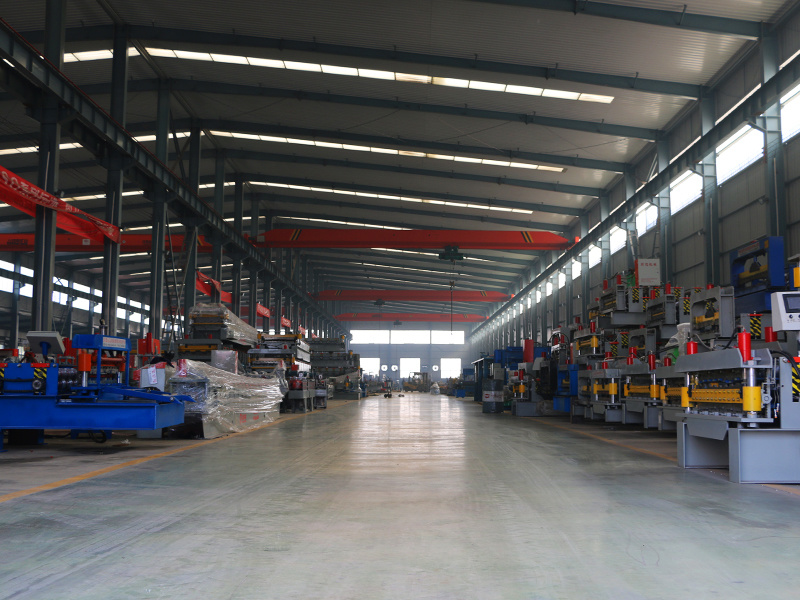
The company is divided into two major factory areas in the north and south. -
Push forward without end
Products are widely used in industrial and civil buildings, such as factories, warehouses, gymnasiums, exhibition halls and other houses and walls. The company has a high starting point and an early start in the products of tile pressing forming and high-altitude tile pressing forming operation platform.
language
Understanding the Process: How Steel Roll Forming Machines Work
Understanding the Process: How Steel Roll Forming Machines Work
Table of Contents
1. Introduction to Steel Roll Forming
2. The Evolution of Steel Roll Forming Technology
3. Key Components of Steel Roll Forming Machines
3.1 Roll Forming Mill Configuration
3.2 Material Handling Systems
4. The Roll Forming Process Explained
4.1 Material Selection and Preparation
4.2 The Role of Roll Design
4.3 The Forming Process
5. Benefits of Using Steel Roll Forming Machines
6. Applications of Steel Roll Forming Machines
7. Challenges in Steel Roll Forming
8. The Future of Steel Roll Forming Technology
9. Frequently Asked Questions (FAQs)
10. Conclusion
1. Introduction to Steel Roll Forming
Steel roll forming is a manufacturing process that involves the continuous bending of a long strip of metal into desired cross-sectional profiles. This technique is widely utilized for producing components in various industries, including automotive, construction, and appliance manufacturing. Understanding how steel roll forming machines work is crucial for ensuring efficiency and precision in production.
2. The Evolution of Steel Roll Forming Technology
The origins of roll forming technology can be traced back to the early 20th century. Initially, the process was labor-intensive and relied heavily on manual operations. Over the decades, advancements in technology have transformed steel roll forming into a highly automated and efficient manufacturing process. Today, computer-controlled systems and sophisticated software are integral to facilitating precise designs and optimizing production runs.
3. Key Components of Steel Roll Forming Machines
To grasp how steel roll forming machines operate, it is essential to understand their key components. Each part plays a crucial role in ensuring the success of the roll forming process.
3.1 Roll Forming Mill Configuration
The roll forming mill configuration consists of a series of rollers that shape the metal as it passes through. The arrangement of these rollers must be meticulously designed to achieve the desired profile and dimensional accuracy. Each roller is typically made of high-strength steel to withstand the pressure exerted during the forming process.
3.2 Material Handling Systems
Material handling systems are critical in managing the flow of raw materials into the roll forming machine. These systems can include conveyors, feeders, and stackers, which ensure that the metal strip is fed smoothly into the rollers without any interruptions. Effective material handling minimizes downtime and maximizes productivity.
4. The Roll Forming Process Explained
The roll forming process can be broken down into several critical stages, each vital for producing high-quality products.
4.1 Material Selection and Preparation
Choosing the right material is the first step in the roll forming process. Typically, cold-rolled steel, galvanized steel, or other alloys are used based on the final application. The selected material must undergo surface preparation to remove any contaminants that could affect the forming process.
4.2 The Role of Roll Design
The design of the rolls is integral to producing the desired profile. Each roll must be precisely engineered to ensure that the metal is shaped uniformly. Moreover, the roll design can significantly affect the material's mechanical properties, such as strength and ductility.
4.3 The Forming Process
Once the material is prepared and the rolls are designed, the actual forming process begins. The metal strip is fed into the machine and subjected to a series of rollers that gradually bend it into the desired shape. The process is continuous, allowing for high production rates and minimal waste. As the strip moves through the rollers, it is also subjected to varying degrees of pressure, which further refines its shape and properties.
5. Benefits of Using Steel Roll Forming Machines
Employing steel roll forming machines offers numerous advantages, particularly in terms of efficiency and quality.
- **High Production Efficiency**: Steel roll forming machines can operate continuously, allowing for high output rates.
- **Precision Engineering**: The automated nature of the process ensures that components are produced with high levels of accuracy, reducing the need for secondary operations.
- **Reduced Material Waste**: The continuous strip process minimizes waste, as the metal is utilized more efficiently compared to traditional cutting methods.
- **Flexibility in Design**: Roll forming can accommodate a wide range of profiles, making it suitable for various applications.
6. Applications of Steel Roll Forming Machines
Steel roll forming machines are utilized across multiple industries due to their versatility. Common applications include:
- **Building Materials**: Producing profiles for roofing, siding, and structural components.
- **Automotive Components**: Manufacturing parts like door frames and chassis components.
- **HVAC Systems**: Creating ductwork and other ventilation components.
- **Appliances**: Fabricating frames and supports for home appliances.
7. Challenges in Steel Roll Forming
Despite the advantages, several challenges can arise during the roll forming process. These include:
- **Material Variability**: Fluctuations in material properties can lead to inconsistencies in the final product.
- **Equipment Maintenance**: Regular maintenance of the machinery is essential to prevent breakdowns and ensure optimal performance.
- **Initial Setup Costs**: The initial investment in roll forming equipment can be significant, especially for custom profiles.
8. The Future of Steel Roll Forming Technology
Looking ahead, the steel roll forming industry is poised for further advancements. Innovations in automation, artificial intelligence, and machine learning are set to enhance the efficiency and accuracy of the roll forming process. Additionally, the push for sustainable manufacturing practices will drive the development of eco-friendly materials and processes.
9. Frequently Asked Questions (FAQs)
**1. What are the primary materials used in steel roll forming?**
The most common materials include cold-rolled steel, galvanized steel, and other alloys depending on the specific application.
**2. How does roll forming differ from other metal forming processes?**
Unlike other methods, roll forming involves continuous bending, which allows for higher production rates and less waste.
**3. What industries commonly utilize steel roll forming machines?**
Industries such as construction, automotive, HVAC, and appliance manufacturing frequently use roll forming technology.
**4. What are the maintenance requirements for roll forming machines?**
Regular inspections, lubrication of moving parts, and timely replacement of worn-out components are essential for maintaining optimal performance.
**5. Can roll formed components be customized?**
Yes, roll forming allows for the production of a wide variety of custom shapes and sizes based on specific requirements.
10. Conclusion
Understanding how steel roll forming machines work is crucial for leveraging their capabilities in modern manufacturing. From the initial stages of material selection to the final product output, each element of the roll forming process contributes to the efficiency and quality of the end product. As technology continues to evolve, the future of steel roll forming holds immense potential for innovation and sustainability within the manufacturing sector. Embracing these advancements will undoubtedly lead to improvements in production practices and the quality of steel components across various industries.
Key words:
recommend News
Share
Cangzhou Forward Roll Forming Machinery Manufacturing
Telephone: +86 0317 8308862
Mobile: +86 187 3373 6699
E-mail:info@rollformingmills.com
Skype:james521520
Address: China Hebei Cangzhou Botou City 104 National Road East
Website QR Code

Business License