
-
 Become an influential brand in the world industry!
The company was established in 2008 and is located in Botou, Hebei, a famous casting city in China. -
Products
We continue to develop and create high quality but affordable products
The company is divided into two major factory areas in the north and south. -
Push forward without end
Products are widely used in industrial and civil buildings, such as factories, warehouses, gymnasiums, exhibition halls and other houses and walls. The company has a high starting point and an early start in the products of tile pressing forming and high-altitude tile pressing forming operation platform.
language
Understanding Steel Roll Forming Machines: An Essential Guide for Manufacturing
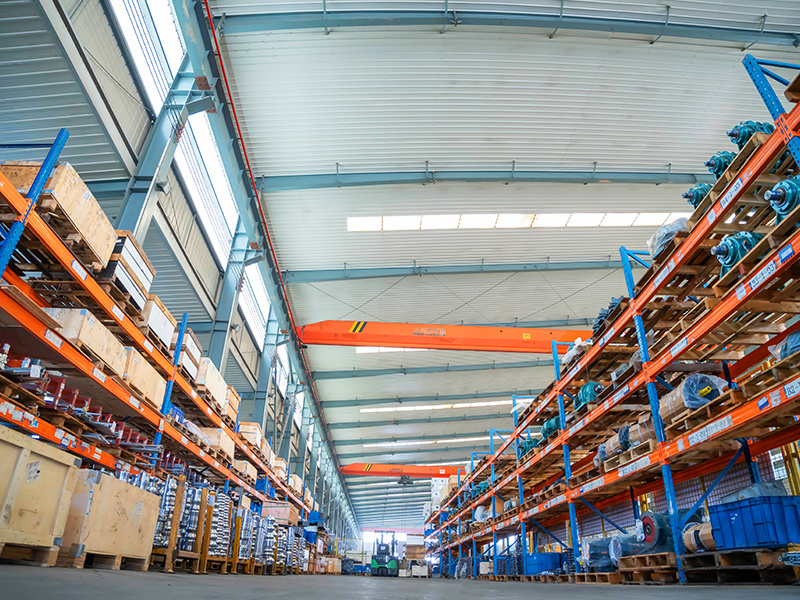
Steel roll forming machines are pivotal in the manufacturing sector, particularly in the production of various metal components. These machines utilize a series of rollers to shape flat steel sheets into desired profiles, creating products that are essential for numerous applications, from construction to automotive manufacturing. The process is characterized by its efficiency, precision, and ability to produce complex shapes with consistent quality.
At their core, steel roll forming machines operate by feeding a flat steel strip through a series of rollers, each designed to progressively bend and shape the metal into a predetermined profile. This continuous process not only minimizes waste but also enhances productivity, as these machines can operate at high speeds without sacrificing quality. The versatility of steel roll forming allows manufacturers to produce an extensive range of components, including roofing sheets, wall panels, door frames, and structural support beams.
One of the key advantages of using a steel roll forming machine is the ability to achieve high levels of customization. Manufacturers can design specific tooling that aligns with their product requirements, allowing for unique profiles that meet distinct engineering specifications. This customization is invaluable in industries where precise dimensions and performance characteristics are critical.
Moreover, steel roll forming machines are known for their durability and reliability. Built to withstand the rigors of industrial use, they often require minimal maintenance while delivering consistent results over extended periods. This reliability translates into reduced downtime and increased operational efficiency, making them a wise investment for manufacturing businesses.
In addition to their mechanical advantages, steel roll forming machines contribute significantly to sustainability efforts in the manufacturing sector. The process generates less scrap metal compared to traditional methods like stamping or machining, thereby reducing material waste. Furthermore, many manufacturers utilize recycled steel, promoting environmentally friendly practices that resonate with today’s eco-conscious consumers.
Training and safety are also crucial aspects of operating steel roll forming machines. Proper operator training ensures not only the efficiency of the process but also the safety of personnel involved. Manufacturers often implement strict safety protocols and regularly inspect equipment to mitigate risks associated with machinery operation.
In conclusion, steel roll forming machines are an integral part of modern manufacturing, providing an efficient, precise, and flexible solution for producing a wide array of steel components. Their ability to adapt to various production needs, combined with their sustainability benefits, make them an essential tool in the competitive landscape of manufacturing. As industries continue to evolve, the significance of these machines is likely to grow, reinforcing their role in shaping the future of metal fabrication.
At their core, steel roll forming machines operate by feeding a flat steel strip through a series of rollers, each designed to progressively bend and shape the metal into a predetermined profile. This continuous process not only minimizes waste but also enhances productivity, as these machines can operate at high speeds without sacrificing quality. The versatility of steel roll forming allows manufacturers to produce an extensive range of components, including roofing sheets, wall panels, door frames, and structural support beams.
One of the key advantages of using a steel roll forming machine is the ability to achieve high levels of customization. Manufacturers can design specific tooling that aligns with their product requirements, allowing for unique profiles that meet distinct engineering specifications. This customization is invaluable in industries where precise dimensions and performance characteristics are critical.
Moreover, steel roll forming machines are known for their durability and reliability. Built to withstand the rigors of industrial use, they often require minimal maintenance while delivering consistent results over extended periods. This reliability translates into reduced downtime and increased operational efficiency, making them a wise investment for manufacturing businesses.
In addition to their mechanical advantages, steel roll forming machines contribute significantly to sustainability efforts in the manufacturing sector. The process generates less scrap metal compared to traditional methods like stamping or machining, thereby reducing material waste. Furthermore, many manufacturers utilize recycled steel, promoting environmentally friendly practices that resonate with today’s eco-conscious consumers.
Training and safety are also crucial aspects of operating steel roll forming machines. Proper operator training ensures not only the efficiency of the process but also the safety of personnel involved. Manufacturers often implement strict safety protocols and regularly inspect equipment to mitigate risks associated with machinery operation.
In conclusion, steel roll forming machines are an integral part of modern manufacturing, providing an efficient, precise, and flexible solution for producing a wide array of steel components. Their ability to adapt to various production needs, combined with their sustainability benefits, make them an essential tool in the competitive landscape of manufacturing. As industries continue to evolve, the significance of these machines is likely to grow, reinforcing their role in shaping the future of metal fabrication.
Key words:
recommend News
Share
Cangzhou Forward Roll Forming Machinery Manufacturing
Telephone: +86 0317 8308862
Mobile: +86 187 3373 6699
E-mail:info@rollformingmills.com
Skype:james521520
Address: China Hebei Cangzhou Botou City 104 National Road East
Website QR Code

Business License