-
 Become an influential brand in the world industry!
The company was established in 2008 and is located in Botou, Hebei, a famous casting city in China. -
Products
We continue to develop and create high quality but affordable products
The company is divided into two major factory areas in the north and south. -
Push forward without end
Products are widely used in industrial and civil buildings, such as factories, warehouses, gymnasiums, exhibition halls and other houses and walls. The company has a high starting point and an early start in the products of tile pressing forming and high-altitude tile pressing forming operation platform.
Top Features to Look for in a Steel Roll Forming Machine
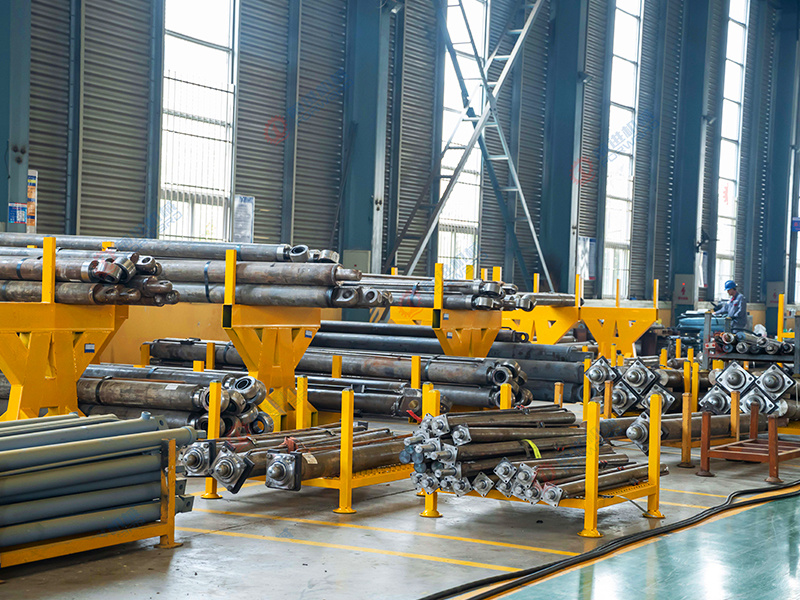
Top Features to Look for in a Steel Roll Forming Machine
Investing in a steel roll forming machine is a significant decision for any manufacturing operation. These machines transform flat metal sheets into various shapes, providing flexibility and efficiency in production. However, choosing the right equipment goes beyond just price; it involves understanding the key features that can impact your operations. In this article, we will explore the top features to consider when selecting a steel roll forming machine, ensuring your investment meets your production needs effectively.
1. Understanding Steel Roll Forming Machines
Before diving into the features, it’s essential to understand what a steel roll forming machine does. These machines use continuous bending processes to shape metal strips into desired profiles. Steel roll forming is a highly efficient manufacturing method, allowing for the production of complex shapes with minimal waste.
1.1 Benefits of Steel Roll Forming
- High Efficiency: Roll forming allows for continuous production, reducing lead times.
- Versatility: It can produce a wide variety of shapes and sizes.
- Cost-Effectiveness: Lower material waste translates to cost savings.
2. Key Features to Consider
When evaluating steel roll forming machines, several key features can significantly influence your decision. Below, we outline the most critical attributes to consider.
2.1 Material Compatibility
One of the foremost features to assess is the machine's capability to handle different materials. A robust steel roll forming machine should work with various types of steel, including mild steel, stainless steel, and high-strength steel. Some machines also allow for the processing of aluminum and other non-ferrous metals.
2.2 Roll Design and Configuration
The roll design greatly affects the quality and precision of the formed product. Look for machines with adjustable roll configurations to accommodate various shapes and sizes. The type of roll design, such as two-roll or four-roll systems, can also influence the final product’s accuracy.
2.2.1 Types of Roll Configurations
- Two-Roll Systems: Suitable for simpler shapes and profiles.
- Four-Roll Systems: Ideal for more complex shapes requiring higher precision.
2.3 Automation and Control Systems
In today’s manufacturing landscape, automation plays a crucial role. Machines equipped with advanced control systems can enhance production efficiency and precision. Look for features such as:
- Programmable Logic Controllers (PLC): Allow for easy adjustments and programming for different profiles.
- Touchscreen Interfaces: Simplify operation and monitoring of the machine.
2.4 Drive System
The drive system of a roll forming machine dictates its operational efficiency. Hydraulic or servo-driven systems offer greater precision and consistency, while mechanical drive systems are often more straightforward and cost-effective. Evaluate the drive system based on the required speed and the types of materials being processed.
2.5 Production Speed and Capacity
Consider the production speed and capacity of the machine, which can vary significantly between models. A higher production speed means more output in less time, essential for large-scale operations. However, ensure that the machine’s speed does not compromise the quality of the final product.
2.5.1 Assessing Production Needs
Evaluate your specific production needs, including:
- The volume of products required
- The complexity of profiles
- Planned production runs
3. Additional Features to Enhance Functionality
Beyond the core features, certain additional functionalities can significantly enhance the overall performance of a steel roll forming machine.
3.1 Integrated Cutting Systems
Having an integrated cutting system can streamline production by eliminating the need for secondary operations. Look for machines that include shear systems, which allow for precise cutting of products at the end of the forming process.
3.2 Safety Features
Safety should never be overlooked. A reliable steel roll forming machine should include protective features such as emergency stop buttons, safety guards, and operational sensors to minimize the risk of accidents during operation.
3.3 Maintenance and Support
The ease of maintenance and availability of technical support are crucial aspects of any manufacturing equipment. Choose machines from reputable manufacturers who offer comprehensive support, including manuals, troubleshooting guides, and prompt customer service.
4. Cost Considerations When Choosing a Steel Roll Forming Machine
Price is always a factor when investing in manufacturing equipment. However, it’s essential to consider the overall value rather than just the initial cost. Evaluate the features and potential return on investment (ROI) based on your production needs.
4.1 Total Cost of Ownership
The total cost of ownership encompasses more than just the purchase price. Consider factors such as:
- Maintenance and repair costs
- Energy consumption
- Labor costs for operation
5. Frequently Asked Questions (FAQs)
5.1 What is a steel roll forming machine?
A steel roll forming machine is a piece of equipment that continuously bends flat metal sheets into specific shapes, commonly used for producing components in construction and manufacturing.
5.2 How does a roll forming machine work?
The machine uses a series of rollers to gradually shape the metal as it passes through, allowing for high-speed production of uniform and precise profiles.
5.3 What materials can be used with roll forming machines?
Roll forming machines can process various materials, including mild steel, stainless steel, aluminum, and other non-ferrous metals, depending on the machine’s specifications.
5.4 How do I choose the right roll forming machine for my needs?
Evaluate your production requirements, including the types of profiles, material compatibility, production speed, and automation features to find the best machine for your operations.
5.5 What are some common applications for roll forming?
Common applications include manufacturing roofing panels, structural components, and automotive parts, among others.
6. Conclusion
Choosing the right steel roll forming machine is a vital step in optimizing your manufacturing processes. By focusing on essential features such as material compatibility, roll design, automation, and safety, you can select a machine that not only meets your production needs but also enhances efficiency and quality. Carefully evaluate your requirements and the available options to make an informed investment that will serve your operation well for years to come.
recommend News
Share
Cangzhou Forward Roll Forming Machinery Manufacturing
Telephone: +86 0317 8308862
Mobile: +86 187 3373 6699
E-mail:info@rollformingmills.com
Skype:james521520
Address: China Hebei Cangzhou Botou City 104 National Road East
Website QR Code