-
 Become an influential brand in the world industry!
The company was established in 2008 and is located in Botou, Hebei, a famous casting city in China. -
Products
We continue to develop and create high quality but affordable products
The company is divided into two major factory areas in the north and south. -
Push forward without end
Products are widely used in industrial and civil buildings, such as factories, warehouses, gymnasiums, exhibition halls and other houses and walls. The company has a high starting point and an early start in the products of tile pressing forming and high-altitude tile pressing forming operation platform.
How a Profile Roll Forming Machine Transforms Metal Fabrication
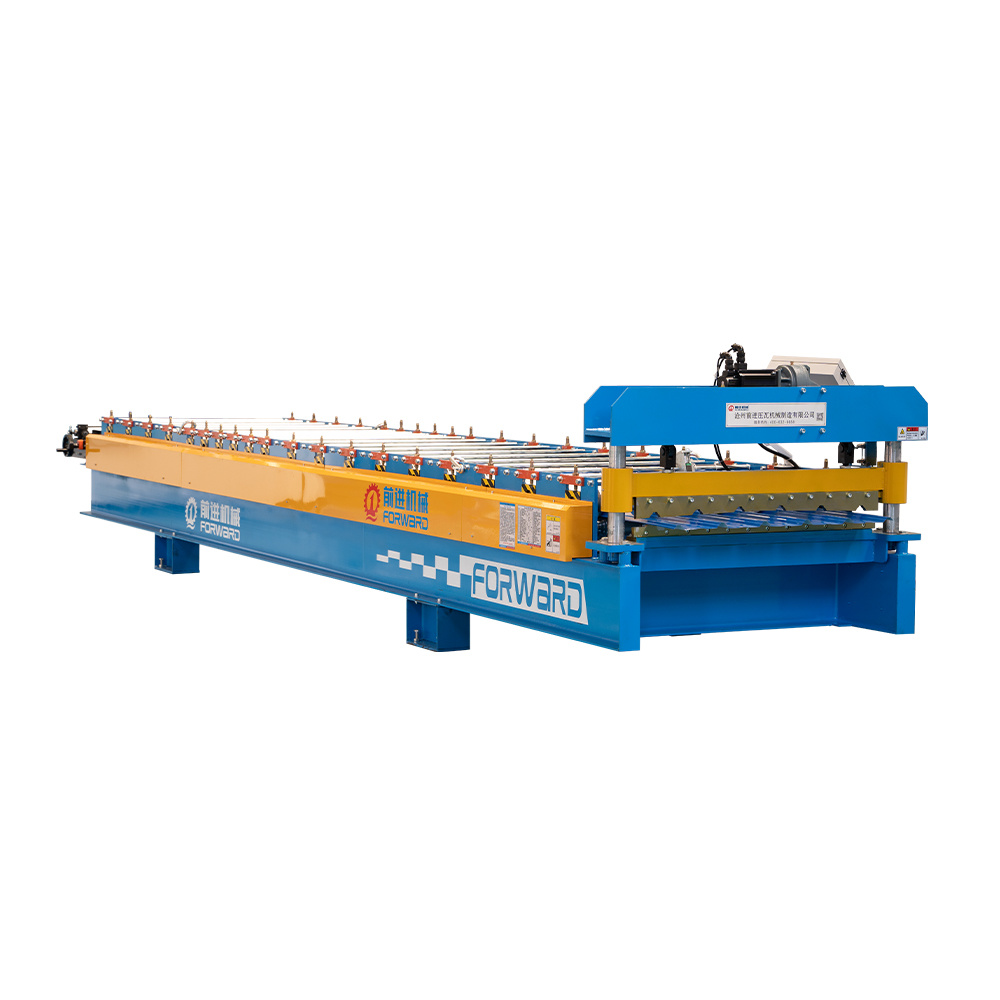
How a Profile Roll Forming Machine Transforms Metal Fabrication
Table of Contents
1. Understanding Profile Roll Forming Machines
2. The Process of Profile Roll Forming
3. Key Benefits of Using Profile Roll Forming Machines
4. Applications Across Various Industries
4.1. Construction and Building Materials
4.2. Automotive Industry Innovations
4.3. HVAC and Metal Components
5. Choosing the Right Profile Roll Forming Machine
6. Maintenance and Optimization of Roll Forming Machines
7. Future Trends in Profile Roll Forming Technology
8. FAQs about Profile Roll Forming Machines
9. Conclusion
1. Understanding Profile Roll Forming Machines
Profile roll forming machines are specialized equipment used in metal fabrication to create complex metal shapes from flat sheets. This technology utilizes a series of rollers to gradually shape the material into the desired profile. With the ability to process various metals, including steel, aluminum, and copper, profile roll forming has become a cornerstone in modern manufacturing. By understanding how these machines work and their significance, businesses can leverage their potential for enhanced productivity and product quality.
2. The Process of Profile Roll Forming
The profile roll forming process involves several stages that transform raw metal into finished products. It begins with the feeding of a flat metal sheet through a series of rollers. Each roller is designed to apply specific pressure and shape the metal gradually. The process can be broken down into the following steps:
1. **Material Preparation**: The metal sheet is cut to the required length and inspected for quality.
2. **Roll Configuration**: Rollers are set up in a specific sequence to create the desired profile shape.
3. **Forming Process**: The metal sheet is fed into the machine, where it passes through the rollers, gradually taking shape.
4. **Cutting and Finishing**: Once the desired profile is achieved, the material is cut to length and can undergo further finishing processes like bending, punching, or welding.
This method not only enhances precision but also ensures consistency in production.
3. Key Benefits of Using Profile Roll Forming Machines
Incorporating profile roll forming machines into a manufacturing process offers numerous advantages:
- **Increased Efficiency**: The continuous nature of the roll forming process allows for rapid production, significantly reducing lead times.
- **Cost-Effectiveness**: High production volumes lead to lower costs per unit, making roll forming a highly economical choice.
- **Material Optimization**: Minimal scrap material is produced during the process, contributing to reduced waste and greater efficiency.
- **Versatile Designs**: Profile roll forming machines can create a wide range of shapes and sizes, accommodating various industry needs.
- **High Strength and Durability**: The final products often exhibit superior strength compared to those produced by other methods.
These benefits make profile roll forming machines a preferred choice for many manufacturers.
4. Applications Across Various Industries
Profile roll forming machines have wide-ranging applications across different sectors. Their ability to produce complex profiles makes them invaluable in multiple industries.
4.1. Construction and Building Materials
In the construction industry, profile roll forming machines are used to create structural components such as roofing sheets, wall panels, and metal studs. These components are essential for building frameworks and supporting structures, ensuring durability and safety.
4.2. Automotive Industry Innovations
The automotive sector utilizes roll forming for manufacturing parts such as frames, reinforcements, and brackets. The precision and strength of roll-formed components greatly contribute to vehicle safety and performance.
4.3. HVAC and Metal Components
Heating, ventilation, and air conditioning (HVAC) systems rely on roll-formed ducts and components for efficient airflow and climate control. The machines produce components that fit together seamlessly, optimizing system performance.
5. Choosing the Right Profile Roll Forming Machine
Selecting the appropriate profile roll forming machine is crucial for maximizing production capabilities. Factors to consider include:
- **Material Type**: Different machines are designed to work with specific metals; understanding the material is key.
- **Profile Complexity**: The intricacy of the desired profile will influence the choice of machine and rollers.
- **Production Volume**: High-volume operations may require more advanced machines with automated features.
- **Budget and Cost**: Evaluating the total cost of ownership, including maintenance and operation, will guide decision-making.
Making an informed choice ensures that the investment in technology pays off in efficiency and quality.
6. Maintenance and Optimization of Roll Forming Machines
Routine maintenance is vital for ensuring the longevity and efficiency of profile roll forming machines. Key maintenance practices include:
- **Regular Inspections**: Conduct periodic checks for wear and tear on rollers and other components.
- **Lubrication**: Keeping moving parts well-lubricated reduces friction and extends the machine's life.
- **Calibration**: Regularly calibrate the machine to maintain accuracy in production.
- **Training Operators**: Ensure that operators understand the machinery and maintenance protocols for optimal performance.
By adhering to these practices, manufacturers can enhance the reliability and efficiency of their roll forming machines.
7. Future Trends in Profile Roll Forming Technology
As technology advances, the profile roll forming industry is expected to evolve. Key trends include:
- **Automation**: The integration of robotics and automation is set to streamline operations further, increasing production rates and reducing labor costs.
- **Smart Manufacturing**: Incorporating IoT (Internet of Things) technology will enable real-time monitoring and data collection for optimized production processes.
- **Sustainable Practices**: A growing emphasis on sustainability will lead to the development of machines that minimize waste and energy consumption.
These trends will shape the future of profile roll forming, making it even more efficient and eco-friendly.
8. FAQs about Profile Roll Forming Machines
**Q1: What types of materials can be processed by profile roll forming machines?**
A1: Profile roll forming machines can process a variety of materials, including steel, aluminum, and copper.
**Q2: How does roll forming differ from other metal fabrication methods?**
A2: Roll forming is a continuous process that shapes metal gradually, while other methods like stamping or bending may involve more abrupt changes.
**Q3: What is the typical production speed of a roll forming machine?**
A3: Production speeds can vary widely, but many machines operate at speeds of up to 30 meters per minute, depending on the complexity of the profile.
**Q4: Can profile roll forming machines produce custom designs?**
A4: Yes, profile roll forming machines can be customized to produce specific shapes and sizes based on the needs of the manufacturer.
**Q5: What are the maintenance requirements for roll forming machines?**
A5: Maintenance includes regular inspections, lubrication, and calibration to ensure optimal performance and longevity.
9. Conclusion
The role of profile roll forming machines in metal fabrication cannot be overstated. They not only enhance production efficiency and reduce waste but also enable the creation of high-quality, durable products across various industries. By understanding the intricacies of the roll forming process, manufacturers can make informed decisions that drive their operations forward. As technology continues to evolve, the future of profile roll forming looks promising, with advancements that will further revolutionize the landscape of metal fabrication. Investing in the right machinery and maintenance practices will ensure that businesses remain competitive and innovative in an ever-changing market.
recommend News
Share
Cangzhou Forward Roll Forming Machinery Manufacturing
Telephone: +86 0317 8308862
Mobile: +86 187 3373 6699
E-mail:info@rollformingmills.com
Skype:james521520
Address: China Hebei Cangzhou Botou City 104 National Road East
Website QR Code