-
 Become an influential brand in the world industry!
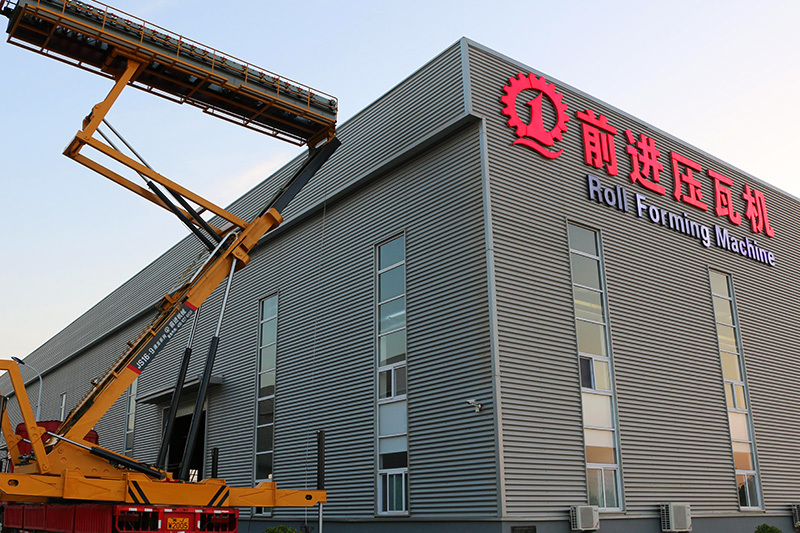
The company was established in 2008 and is located in Botou, Hebei, a famous casting city in China. -
Products
We continue to develop and create high quality but affordable products
The company is divided into two major factory areas in the north and south. -
Push forward without end
Products are widely used in industrial and civil buildings, such as factories, warehouses, gymnasiums, exhibition halls and other houses and walls. The company has a high starting point and an early start in the products of tile pressing forming and high-altitude tile pressing forming operation platform.
How to Train Your Team on Panel Roll Former Machines: A Comprehensive Guide
How to Train Your Team on Panel Roll Former Machines
Table of Contents
- 1. Introduction to Panel Roll Former Machines
- 2. Understanding the Panel Roll Former Machine
- 3. Importance of Training Your Team
- 4. Developing a Training Program
- 5. Hands-On Training Techniques
- 6. Safety Procedures and Best Practices
- 7. Evaluating Training Success
- 8. Common Challenges and Solutions
- 9. FAQs
- 10. Conclusion
1. Introduction to Panel Roll Former Machines
Panel roll former machines are essential tools in the manufacturing sector, particularly in producing metal panels utilized in construction and roofing. Understanding these machines is vital for improving production quality and efficiency. This article aims to provide comprehensive guidelines on training your team to operate panel roll former machines proficiently.
2. Understanding the Panel Roll Former Machine
Panel roll former machines are designed to transform flat metal sheets into specially shaped profiles used in various construction applications. The machine utilizes a series of rollers to bend and shape the metal sheet progressively.
Key Components of Panel Roll Former Machines
- **Feed System**: Responsible for delivering the metal sheets into the machine.
- **Roll Stations**: Multiple rollers that gradually shape the metal sheet.
- **Cut-off Mechanism**: Automatically cuts the sheet to the desired length.
- **Control Panel**: Interface for operators to set parameters and monitor operations.
A deep understanding of these components will enable your team to identify potential issues and maintain the machines effectively.
3. Importance of Training Your Team
Effective training is crucial for several reasons:
- **Increased Efficiency**: Well-trained staff can operate the machines more efficiently, reducing downtime and waste.
- **Safety**: Proper training minimizes the risk of accidents and injuries, which can be costly and damaging.
- **Quality Control**: A knowledgeable team can produce higher quality products, enhancing customer satisfaction and business reputation.
Investing in comprehensive training not only improves operational efficiency but also fosters employee confidence and job satisfaction.
4. Developing a Training Program
A structured training program is essential for effective learning. Here are key steps to consider:
4.1 Assessing Training Needs
Before designing a training program, assess the current skill levels of your team. Consider:
- Existing knowledge and skills related to operating machinery.
- Specific areas where improvement is needed.
- The complexity of the panel roll former machines being used.
Gathering this information helps tailor the training to meet the specific needs of your team.
4.2 Setting Clear Objectives
Define clear, measurable objectives for the training program. Objectives might include:
- Understanding the operation of the machine and safety protocols.
- Demonstrating proficiency in basic machine maintenance.
- Achieving a specified production rate.
Having specific goals helps track progress and determine training effectiveness.
4.3 Choosing Effective Training Methods
Select training methods that suit the learning styles of your team. Consider options such as:
- **Classroom Instruction**: For foundational knowledge and theory.
- **Hands-On Training**: Practical experience with the machine.
- **Online Resources**: Access to videos and manuals for self-paced learning.
Combining different methods can cater to various learning preferences and reinforce understanding.
5. Hands-On Training Techniques
Hands-on training is an essential component of effective learning when it comes to operating panel roll former machines.
5.1 Machine Demonstration
Start the training with a thorough demonstration of the panel roll former machine. Highlight each component and explain its function. Showcase the operating procedures step-by-step, emphasizing safety measures.
5.2 Supervised Practice Sessions
Once the demonstration is complete, provide opportunities for your team to practice operating the machine under supervision. This step is crucial for reinforcing the skills learned during the demonstration. Encourage questions and provide immediate feedback to enhance the learning experience.
6. Safety Procedures and Best Practices
Safety should always be a priority when training your team. Here are essential safety practices to follow:
- **Personal Protective Equipment (PPE)**: Ensure that all operators wear appropriate PPE, including gloves, goggles, and ear protection.
- **Emergency Procedures**: Train your team on emergency stop procedures and the location of safety shut-off switches.
- **Regular Safety Audits**: Conduct periodic safety audits to identify potential hazards and ensure compliance with safety protocols.
Implementing a culture of safety will not only protect your team but also enhance operational efficiency.
7. Evaluating Training Success
After the training program is complete, evaluating its success is critical. Consider the following methods:
- **Assessments**: Conduct tests or practical assessments to ensure knowledge retention.
- **Feedback**: Gather feedback from participants on the training program's effectiveness and areas for improvement.
- **Performance Metrics**: Monitor production metrics post-training to evaluate improvements in efficiency and quality.
Using these evaluation methods will help refine future training programs and ensure continuous improvement.
8. Common Challenges and Solutions
Training a team on panel roll former machines can present challenges. Here are common issues and how to address them:
Resistance to Change
Some employees may be resistant to new methods or technologies. Combat this by clearly communicating the benefits of the training and providing incentives for participation.
Varied Learning Styles
Team members may have different learning preferences. Ensure to incorporate various training methods to cater to these differences, such as visual aids, hands-on practice, and written materials.
Time Constraints
Balancing training with production demands can be challenging. Consider scheduling training sessions during slower production times or using a staggered approach to cover all team members without impacting operations.
9. FAQs
What is a panel roll former machine?
A panel roll former machine is a machine that turns flat metal sheets into specific shapes, typically used in construction and roofing applications.
How long does training on a panel roll former machine typically last?
Training duration varies but generally lasts from a few hours to several days, depending on the complexity of the machine and the prior experience of the trainees.
What are the essential safety measures when using panel roll former machines?
Key safety measures include wearing personal protective equipment (PPE), understanding emergency procedures, and conducting regular safety audits.
Can online resources be used for training on panel roll former machines?
Yes, online resources such as instructional videos and manuals can complement hands-on training and provide additional learning opportunities.
How can I assess if my team has effectively learned to operate the machine?
You can assess their learning through practical tests, feedback surveys, and monitoring production metrics to evaluate improvements.
10. Conclusion
Training your team on panel roll former machines is a vital investment in your manufacturing operations. By developing a structured training program that includes comprehensive instructions, hands-on training, and a focus on safety, you can ensure your team operates these machines efficiently and safely. The benefits of well-trained employees extend beyond just productivity; they foster a culture of safety and quality that contributes to the overall success of your manufacturing process. Embracing this training approach will position your organization for sustained growth and excellence in the industry.
Key words:
recommend News
Share
Cangzhou Forward Roll Forming Machinery Manufacturing
Telephone: +86 0317 8308862
Mobile: +86 187 3373 6699
E-mail:info@rollformingmills.com
Skype:james521520
Address: China Hebei Cangzhou Botou City 104 National Road East
Website QR Code