-
 Become an influential brand in the world industry!
The company was established in 2008 and is located in Botou, Hebei, a famous casting city in China. -
Products
We continue to develop and create high quality but affordable products
The company is divided into two major factory areas in the north and south. -
Push forward without end
Products are widely used in industrial and civil buildings, such as factories, warehouses, gymnasiums, exhibition halls and other houses and walls. The company has a high starting point and an early start in the products of tile pressing forming and high-altitude tile pressing forming operation platform.
Best Practices for Operating Panel Roll Former Machines: A Comprehensive Guide
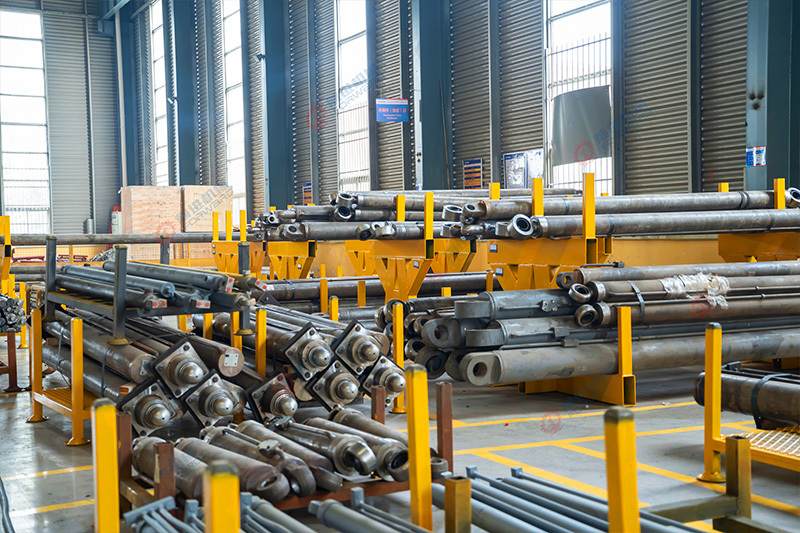
Best Practices for Operating Panel Roll Former Machines
Table of Contents
- Introduction to Panel Roll Former Machines
- Understanding the Roll Forming Process
- Safety First: Key Safety Practices
- Pre-Operational Checks for Panel Roll Former Machines
- Effective Operating Techniques for Panel Roll Forming
- Maintenance Essentials for Longevity
- Troubleshooting Common Issues in Roll Forming
- The Importance of Training and Continuous Education
- Conclusion
- FAQs about Operating Panel Roll Former Machines
Introduction to Panel Roll Former Machines
Panel roll former machines are instrumental in the manufacturing sector, specifically designed to create panels used in roofing, siding, and various structural applications. Understanding how to operate these machines efficiently not only boosts productivity but also ensures the quality of the final product. This guide will highlight the **best practices** for operating panel roll former machines, focusing on efficiency, safety, and maintenance.
Understanding the Roll Forming Process
Roll forming is a continuous bending operation in which a long strip of metal is passed through pairs of rollers, progressively shaping it into the desired profile. The process is typically utilized for creating metal panels, which are essential in construction and manufacturing. To ensure optimal performance, operators should understand the intricacies of the roll forming process.
Key Components of Roll Forming
The primary components of a panel roll former machine include:
- **Roller Stations**: These are the heart of the machine, where the metal strip is shaped.
- **Feed Mechanism**: Controls the speed and alignment of the material being fed into the machine.
- **Cut-off Mechanism**: Ensures that the panels are cut to the desired length.
- **Control System**: Manages the operational parameters and monitoring.
Safety First: Key Safety Practices
Safety should always be a top priority when operating any machinery. Adhering to safety protocols not only protects the operators but also enhances efficiency by reducing downtime due to accidents.
Essential Safety Practices
1. **Personal Protective Equipment (PPE)**: Always wear suitable PPE, including gloves, goggles, and ear protection.
2. **Machine Guards**: Ensure that all safety guards are in place and functioning before operating the machine.
3. **Emergency Stops**: Familiarize yourself with the location and function of emergency stop buttons.
4. **Work Area Cleanliness**: Maintain a clean and organized work area to prevent accidents caused by slips or trips.
Pre-Operational Checks for Panel Roll Former Machines
Before starting any operations, conducting thorough pre-operational checks is crucial for ensuring the machine runs smoothly and safely.
Checklist for Pre-Operational Inspections
- **Inspect the Machine**: Look for any signs of wear or damage that could affect performance.
- **Lubrication**: Ensure that all moving parts are well-lubricated to reduce friction and wear.
- **Material Inspection**: Check that the metal coils are of the correct gauge and free from defects.
- **Calibration**: Confirm that the machine is calibrated according to specifications for the desired panel profile.
Effective Operating Techniques for Panel Roll Forming
Mastering the right operating techniques can significantly influence the efficiency and quality of the panels produced.
Key Operating Techniques
- **Consistent Feed Rate**: Maintaining a steady feed rate ensures uniformity in the panels.
- **Monitor Machine Settings**: Regularly check that the machine settings align with the operational requirements for the specific panel type.
- **Quality Control**: Implement a quality control system to regularly inspect panels for consistency and defects during production.
Advanced Techniques for Efficiency
- **Batch Processing**: Group similar panel types together to minimize setup changes.
- **Data Tracking**: Utilize machine data to analyze performance trends and areas for improvement.
Maintenance Essentials for Longevity
Routine maintenance is vital for the longevity of panel roll former machines. A proactive approach to maintenance can prevent costly repairs and downtime.
Regular Maintenance Tasks
- **Daily Checks**: Inspect all safety features, lubricate moving parts, and clean the machine.
- **Monthly Inspections**: Look for signs of wear and tear, tighten loose parts, and replace any worn components.
- **Annual Overhauls**: Conduct a comprehensive inspection and servicing of the machine to ensure optimal functioning.
Troubleshooting Common Issues in Roll Forming
While running a panel roll former machine, operators may encounter common issues that can hinder production. Knowing how to troubleshoot these problems is essential for maintaining efficiency.
Common Issues and Solutions
- **Material Jamming**: Ensure that the material is being fed properly and that all rollers are aligned.
- **Inconsistent Panel Quality**: Check the calibration of the rollers and the feed rate settings.
- **Excessive Noise**: Investigate potential misalignments or wear on moving parts that may require lubrication or replacement.
The Importance of Training and Continuous Education
Investing in training for operators is crucial for maximizing the efficiency and safety of panel roll former machine operations.
Benefits of Operator Training
- **Enhanced Skillset**: Well-trained operators are more efficient and produce higher quality panels.
- **Safety Compliance**: Regular training helps reinforce safety protocols and reduce workplace accidents.
- **Adaptability to New Technology**: Continuous education allows operators to stay updated with advancements in machine technology and methods.
Conclusion
Operating panel roll former machines involves more than just pressing a button; it requires a thorough understanding of the equipment, adherence to safety practices, and attention to maintenance. By implementing the best practices discussed in this guide, operators can improve efficiency, ensure product quality, and extend the lifespan of their machines. Mastering these techniques will not only benefit the operators but will also contribute significantly to the overall success of the manufacturing process.
FAQs about Operating Panel Roll Former Machines
1. What are panel roll former machines used for?
Panel roll former machines are primarily used for creating metal panels utilized in construction, roofing, and siding applications.
2. How often should maintenance be performed on roll former machines?
Daily checks should be conducted, with more thorough inspections performed monthly and comprehensive maintenance annually.
3. Can I operate a panel roll former machine without prior training?
No, proper training is essential to operate these machines safely and effectively.
4. What should I do if my machine is producing defective panels?
Check the machine settings, calibration, and material quality. If issues persist, consult the troubleshooting guide.
5. How do I ensure safety while operating panel roll former machines?
Always wear appropriate PPE, ensure safety guards are in place, and familiarize yourself with emergency protocols before operation.
By adhering to these best practices and continuously refining our skills, we can achieve excellence in operating panel roll former machines while ensuring safety and quality in our manufacturing processes.
Key words:
recommend News
Share
Cangzhou Forward Roll Forming Machinery Manufacturing
Telephone: +86 0317 8308862
Mobile: +86 187 3373 6699
E-mail:info@rollformingmills.com
Skype:james521520
Address: China Hebei Cangzhou Botou City 104 National Road East
Website QR Code