
-
 Become an influential brand in the world industry!
The company was established in 2008 and is located in Botou, Hebei, a famous casting city in China. -
Products
We continue to develop and create high quality but affordable products
The company is divided into two major factory areas in the north and south. -
Push forward without end
Products are widely used in industrial and civil buildings, such as factories, warehouses, gymnasiums, exhibition halls and other houses and walls. The company has a high starting point and an early start in the products of tile pressing forming and high-altitude tile pressing forming operation platform.
language
Comprehensive Insights into Steel Roll Forming Machines
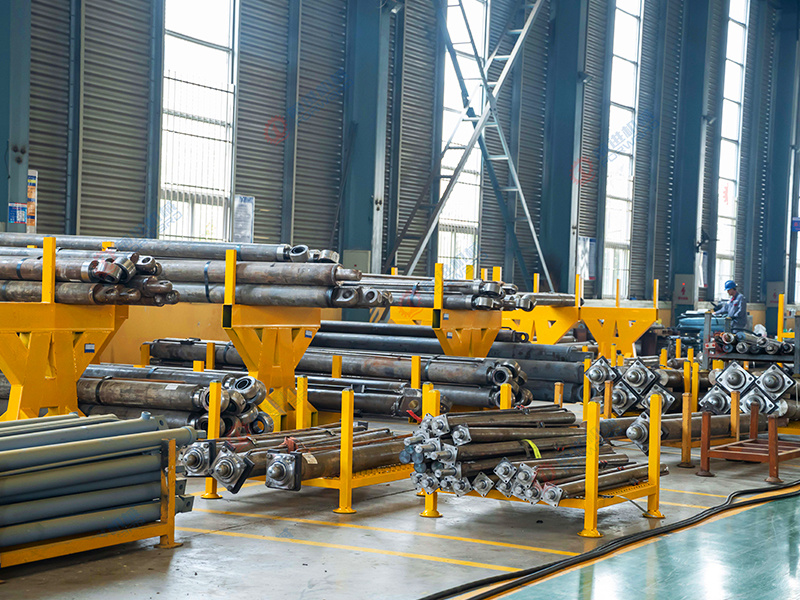
Steel roll forming machines are essential tools in the manufacturing industry, designed to produce shaped metal profiles from flat sheets of steel. These machines operate based on a continuous bending process, where the raw material is gradually shaped into specific profiles through a series of rollers. Understanding the functionality and applications of steel roll forming machines is crucial for professionals in the manufacturing and processing sectors.
The primary advantage of steel roll forming machines lies in their efficiency and precision. By converting flat steel sheets into complex shapes, these machines enable the production of various components used in construction, automotive, and other industries. Common applications include the manufacturing of roofing panels, wall studs, door frames, and other structural elements. The roll forming process is known for its ability to produce long lengths of uniform sections while maintaining tight tolerances, which is essential for high-quality end products.
In terms of operation, steel roll forming machines typically consist of several key components, including a decoiler, a forming station, and a cut-off press. The decoiler feeds the flat steel sheet into the machine, where it is guided through multiple roller stations. Each roller incrementally bends the material to achieve the desired profile. Once the profile is completed, the cut-off press trims the length to specification, allowing for efficient production of predetermined lengths.
Another significant advantage of steel roll forming machines is their adaptability. Custom tooling can be created to produce unique profiles, making them highly versatile for various manufacturing needs. This flexibility not only enhances production capabilities but also allows manufacturers to respond swiftly to changing market demands.
Furthermore, the automation of steel roll forming machines can significantly improve productivity. Many modern machines are equipped with advanced control systems that facilitate automated adjustments and monitoring, reducing the need for manual intervention. This automation leads to higher output rates and minimized production costs, making them an attractive option for businesses looking to optimize their manufacturing processes.
In conclusion, steel roll forming machines are invaluable assets in the manufacturing industry, offering efficiency, precision, and versatility. By understanding their operational mechanics and applications, professionals can leverage this technology to enhance production capabilities and maintain a competitive edge in the market. As the demand for customized metal profiles continues to rise, investing in advanced steel roll forming machines will undoubtedly play a pivotal role in meeting the needs of diverse industries.
The primary advantage of steel roll forming machines lies in their efficiency and precision. By converting flat steel sheets into complex shapes, these machines enable the production of various components used in construction, automotive, and other industries. Common applications include the manufacturing of roofing panels, wall studs, door frames, and other structural elements. The roll forming process is known for its ability to produce long lengths of uniform sections while maintaining tight tolerances, which is essential for high-quality end products.
In terms of operation, steel roll forming machines typically consist of several key components, including a decoiler, a forming station, and a cut-off press. The decoiler feeds the flat steel sheet into the machine, where it is guided through multiple roller stations. Each roller incrementally bends the material to achieve the desired profile. Once the profile is completed, the cut-off press trims the length to specification, allowing for efficient production of predetermined lengths.
Another significant advantage of steel roll forming machines is their adaptability. Custom tooling can be created to produce unique profiles, making them highly versatile for various manufacturing needs. This flexibility not only enhances production capabilities but also allows manufacturers to respond swiftly to changing market demands.
Furthermore, the automation of steel roll forming machines can significantly improve productivity. Many modern machines are equipped with advanced control systems that facilitate automated adjustments and monitoring, reducing the need for manual intervention. This automation leads to higher output rates and minimized production costs, making them an attractive option for businesses looking to optimize their manufacturing processes.
In conclusion, steel roll forming machines are invaluable assets in the manufacturing industry, offering efficiency, precision, and versatility. By understanding their operational mechanics and applications, professionals can leverage this technology to enhance production capabilities and maintain a competitive edge in the market. As the demand for customized metal profiles continues to rise, investing in advanced steel roll forming machines will undoubtedly play a pivotal role in meeting the needs of diverse industries.
Key words:
recommend News
Share
Cangzhou Forward Roll Forming Machinery Manufacturing
Telephone: +86 0317 8308862
Mobile: +86 187 3373 6699
E-mail:info@rollformingmills.com
Skype:james521520
Address: China Hebei Cangzhou Botou City 104 National Road East
Website QR Code

Business License