
-
 Become an influential brand in the world industry!
The company was established in 2008 and is located in Botou, Hebei, a famous casting city in China. -
Products
We continue to develop and create high quality but affordable products
The company is divided into two major factory areas in the north and south. -
Push forward without end
Products are widely used in industrial and civil buildings, such as factories, warehouses, gymnasiums, exhibition halls and other houses and walls. The company has a high starting point and an early start in the products of tile pressing forming and high-altitude tile pressing forming operation platform.
language
The Role of Cold Roll Forming Machines in Sustainable Manufacturing
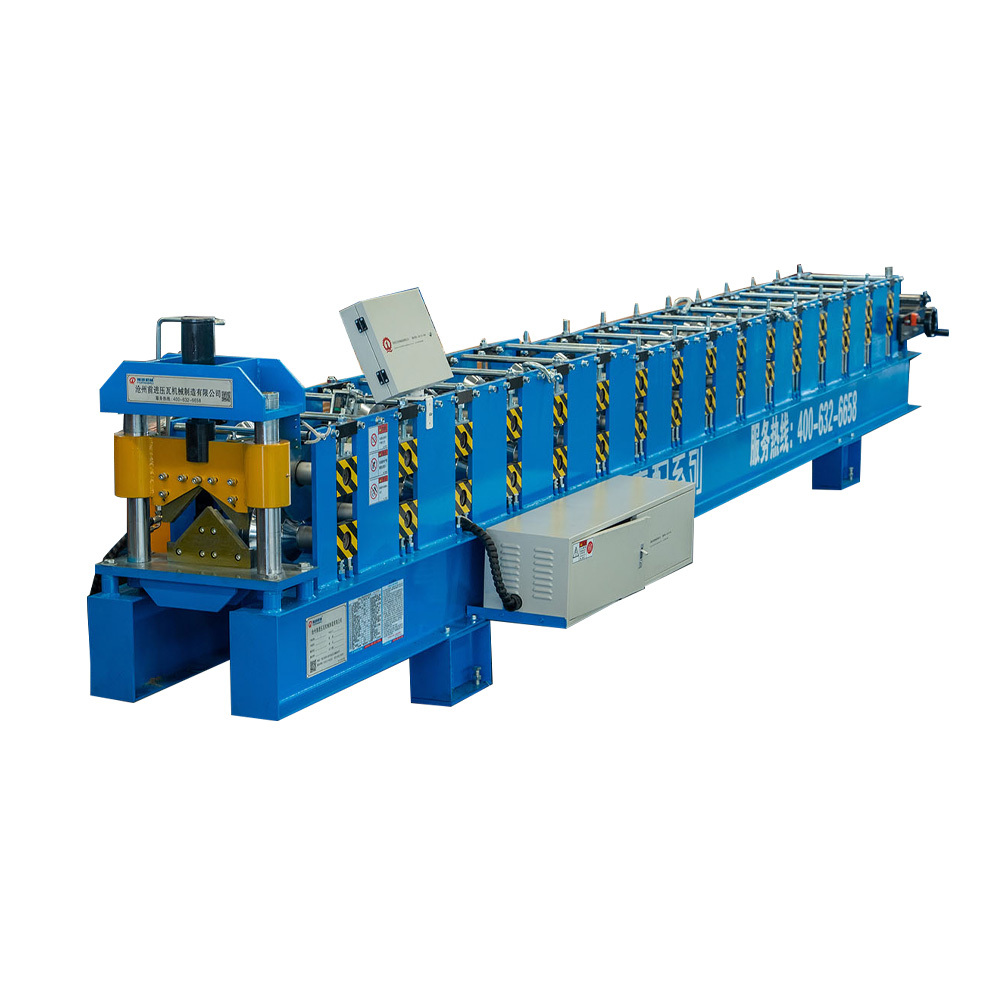
The Role of Cold Roll Forming Machines in Sustainable Manufacturing
Table of Contents
- Introduction to Cold Roll Forming Machines
- What Is Cold Roll Forming?
- Benefits of Cold Roll Forming Machines
- Applications of Cold Roll Forming Machines
- Cold Roll Forming vs. Other Manufacturing Processes
- The Future of Cold Roll Forming in Sustainable Manufacturing
- Frequently Asked Questions
- Conclusion
Introduction to Cold Roll Forming Machines
Cold roll forming machines are pivotal in modern manufacturing, offering a unique method for shaping metal into precise profiles. As industries strive towards sustainable practices, the role of these machines has become increasingly significant. They not only contribute to efficiency but also play a crucial role in reducing environmental impact. This article delves into the intricacies of cold roll forming machines, their advantages, applications, and their contribution to sustainable manufacturing.
What Is Cold Roll Forming?
Cold roll forming is a progressive metal forming process that involves the continuous bending of sheet metal into desired cross-sectional shapes without the application of heat. This method is executed at room temperature, which distinguishes it from other forming techniques that may require heating the metal to achieve malleability.
The process entails passing a flat strip of metal through a series of rollers that gradually shape the material into a specific profile. The result is a precise, uniform product with enhanced structural integrity. Common materials processed in this manner include steel, aluminum, and other alloys, highlighting cold roll forming’s versatility in manufacturing.
Benefits of Cold Roll Forming Machines
The benefits of utilizing cold roll forming machines extend beyond conventional manufacturing advantages. They play a significant role in promoting sustainability within the industry.
Energy Efficiency
One of the most notable benefits of cold roll forming is its energy efficiency. The process requires less energy compared to traditional forming methods like forging or casting. Because the material remains at room temperature, the energy consumed in heating is significantly reduced. This energy efficiency translates to lower operational costs and a smaller carbon footprint, making cold roll forming machines an eco-friendly choice for manufacturers.
Material Utilization
Cold roll forming machines excel in maximizing material utilization. The process generates less scrap metal, as the strips of material are gradually shaped without excessive trimming. This high yield not only conserves resources but also reduces waste, aligning with sustainable practices. Moreover, the ability to utilize thinner gauges of material without compromising strength leads to less raw material consumption overall.
Reducing Waste
The reduction of waste is a cornerstone of sustainable manufacturing. Cold roll forming machines contribute to this goal by producing components with minimal excess material. The precise nature of the process ensures that each part meets exact specifications, eliminating the need for subsequent machining operations that can generate additional waste. This streamlined approach is crucial for manufacturers seeking to implement waste reduction strategies.
Applications of Cold Roll Forming Machines
Cold roll forming machines find applications across a diverse range of industries. Their ability to produce complex shapes with high precision makes them ideal for various manufacturing sectors.
Construction Industry
In the construction sector, cold roll forming is utilized to create structural components such as steel studs, tracks, and frames. These products are essential for modern building techniques, offering lightweight yet strong solutions for construction projects. By using cold roll formed products, builders can reduce material costs and enhance energy efficiency in their structures.
Automotive Industry
The automotive industry benefits significantly from cold roll forming machines. Components such as chassis parts, brackets, and stiffeners can be manufactured using this process. The lightweight nature of cold roll formed components makes vehicles more fuel-efficient without sacrificing safety or performance. Additionally, the reduction in material waste aligns with the industry's push towards sustainability.
Electrical Industry
In the electrical industry, cold roll forming machines are employed to produce enclosures, brackets, and other components that require precision. The durability and strength of these components are crucial for ensuring the longevity and reliability of electrical products. The reduced waste and material efficiency further enhance the sustainability profile of this manufacturing approach.
Cold Roll Forming vs. Other Manufacturing Processes
When comparing cold roll forming to other manufacturing methods, several distinctions emerge that highlight its advantages. Traditional methods such as forging and casting often involve heating materials, leading to increased energy consumption and higher emissions. In contrast, cold roll forming’s room temperature process conserves energy and minimizes environmental impact.
Furthermore, cold roll forming typically results in a higher dimensional accuracy and better surface finish than many other processes. These qualities reduce the need for secondary operations, which not only saves time but also diminishes waste—a key factor in sustainable manufacturing.
The Future of Cold Roll Forming in Sustainable Manufacturing
The future of cold roll forming in sustainable manufacturing is promising. As industries worldwide prioritize eco-friendly practices, the demand for efficient, waste-reducing manufacturing methods will likely rise. Continuous advancements in technology will enhance the capabilities of cold roll forming machines, allowing for even greater precision and efficiency.
Moreover, the growing trend towards circular economy practices will encourage manufacturers to adopt processes that minimize waste and optimize resource use. Cold roll forming machines, with their inherent advantages, will play a vital role in this transition, solidifying their position as a cornerstone of sustainable manufacturing.
Frequently Asked Questions
1. What materials can be used in cold roll forming?
Cold roll forming can accommodate various materials, including steel, aluminum, copper, and other alloys. The choice of material largely depends on the desired application and specifications.
2. How does cold roll forming compare to hot roll forming?
Cold roll forming is performed at room temperature, which leads to enhanced dimensional accuracy and surface finish. In contrast, hot roll forming involves heating materials, which can increase energy consumption and waste.
3. What are the cost implications of using cold roll forming machines?
While the initial investment in cold roll forming machinery may be higher, the long-term cost savings from reduced material waste, energy efficiency, and lower operational costs often outweigh the upfront costs.
4. Can cold roll forming be used for complex shapes?
Yes, cold roll forming is capable of producing highly complex shapes with precision, making it suitable for a wide range of applications in various industries.
5. How does cold roll forming contribute to sustainability?
Cold roll forming machines minimize energy consumption, reduce waste, and optimize material utilization, all of which contribute to a more sustainable manufacturing process.
Conclusion
Cold roll forming machines play a transformative role in sustainable manufacturing by promoting energy efficiency, optimizing material utilization, and reducing waste. Their applications span various industries, showcasing their versatility and importance in modern manufacturing. As we look towards the future, the continuous evolution of cold roll forming technology will undoubtedly reinforce its position as a key player in the pursuit of environmentally friendly manufacturing practices. Embracing this innovative approach is not only beneficial for manufacturers but for our planet as well.
Key words:
Previous Page
recommend News
Share
Cangzhou Forward Roll Forming Machinery Manufacturing
Telephone: +86 0317 8308862
Mobile: +86 187 3373 6699
E-mail:info@rollformingmills.com
Skype:james521520
Address: China Hebei Cangzhou Botou City 104 National Road East
Website QR Code

Business License