
-
 Become an influential brand in the world industry!
The company was established in 2008 and is located in Botou, Hebei, a famous casting city in China. -
Products
We continue to develop and create high quality but affordable products
The company is divided into two major factory areas in the north and south. -
Push forward without end
Products are widely used in industrial and civil buildings, such as factories, warehouses, gymnasiums, exhibition halls and other houses and walls. The company has a high starting point and an early start in the products of tile pressing forming and high-altitude tile pressing forming operation platform.
language
Steel Frame Roll Forming Machines: Essential Features Every Manufacturer Should Know
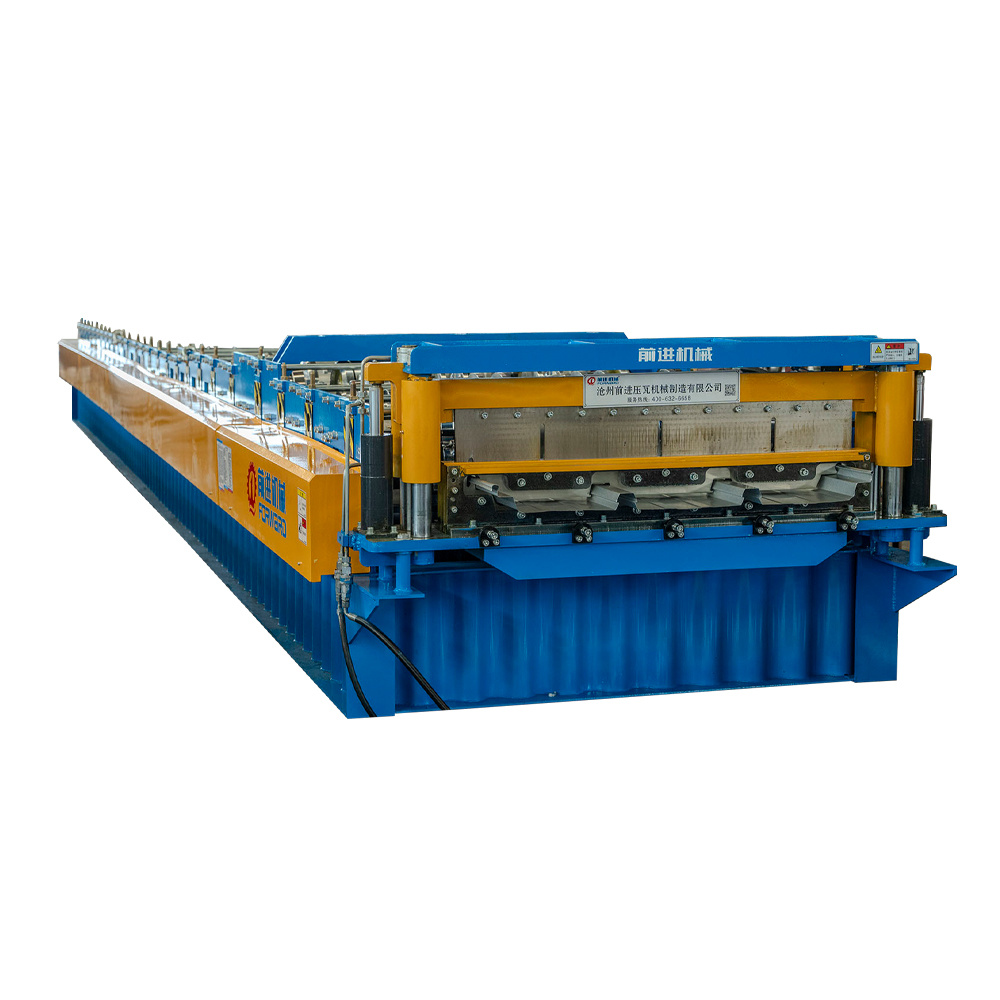
Steel Frame Roll Forming Machines: Essential Features Every Manufacturer Should Know
Table of Contents
- 1. Introduction to Steel Frame Roll Forming Machines
- 2. What is Roll Forming?
- 3. Types of Steel Frame Roll Forming Machines
- 4. Key Features of Steel Frame Roll Forming Machines
- 4.1 Material Compatibility
- 4.2 Precision Engineering
- 4.3 Automation Capabilities
- 4.4 Energy Efficiency
- 4.5 Customization Options
- 5. Applications of Steel Frame Roll Forming Machines
- 6. Benefits of Using Steel Frame Roll Forming Machines
- 7. Maintenance Tips for Optimal Performance
- 8. Frequently Asked Questions
- 9. Conclusion
1. Introduction to Steel Frame Roll Forming Machines
Steel frame roll forming machines play an integral role in modern manufacturing. These machines provide a reliable solution for creating steel frames used in various applications, from construction to automotive industries. By employing a continuous bending process, these machines transform flat steel sheets into complex cross-sectional profiles, offering both efficiency and precision.
Understanding the key features of steel frame roll forming machines can help manufacturers select the right equipment for their production needs. In this article, we will explore the fundamental aspects of these machines, their applications, and the benefits they bring to the manufacturing process.
2. What is Roll Forming?
Roll forming is a metal forming process that involves the continuous bending of a strip of metal at room temperature. This process utilizes a series of rollers to gradually shape the metal into the desired profile. The main advantage of roll forming is its efficiency and ability to produce long lengths of parts with consistent cross-sectional shapes.
Typically, roll forming machines are used to produce components that require high volumes and precision. The process can handle various materials, including steel, aluminum, and other alloys, making it a versatile choice for manufacturers.
3. Types of Steel Frame Roll Forming Machines
There are several types of steel frame roll forming machines, each designed for specific applications and production requirements. Understanding these types can help manufacturers choose the right machine for their needs.
3.1 Standard Roll Forming Machines
Standard roll forming machines are equipped with a series of rollers arranged in a horizontal line. These machines are suitable for producing simple profiles and are widely used in various industries.
3.2 Advanced Roll Forming Machines
Advanced roll forming machines incorporate additional features such as adjustable speed settings and enhanced automation. These machines are designed to handle more complex shapes and are ideal for high-volume production.
3.3 Customized Roll Forming Machines
Customized roll forming machines are tailored to meet the specific needs of manufacturers. These machines can produce unique profiles and may include features such as die-change systems and specialized tooling.
4. Key Features of Steel Frame Roll Forming Machines
When considering steel frame roll forming machines, several key features can significantly impact performance and productivity.
4.1 Material Compatibility
Steel frame roll forming machines are designed to accommodate various materials, including mild steel, stainless steel, and galvanized steel. The ability to work with different materials allows manufacturers to diversify their product offerings and meet specific market demands.
4.2 Precision Engineering
Precision is paramount in roll forming, as even the slightest deviation can lead to product defects. High-quality roll forming machines are engineered to deliver consistent results with minimal tolerances, ensuring that each component meets stringent quality standards.
4.3 Automation Capabilities
Automation features, such as programmable logic controllers (PLCs) and advanced software, are becoming increasingly common in modern roll forming machines. These capabilities enhance productivity by allowing for faster changeovers, reduced labor costs, and improved overall efficiency.
4.4 Energy Efficiency
Energy efficiency is a crucial consideration for manufacturers looking to reduce operating costs. Many steel frame roll forming machines are designed with energy-saving features, such as optimized motor systems and intelligent power management, helping to lower electricity consumption without sacrificing performance.
4.5 Customization Options
The ability to customize roll forming machines is vital for manufacturers with specific production requirements. Features such as interchangeable tooling, adjustable roller configurations, and the ability to modify machine lengths can significantly enhance versatility and efficiency.
5. Applications of Steel Frame Roll Forming Machines
Steel frame roll forming machines are utilized across various industries, including:
5.1 Construction
In the construction industry, these machines produce components for buildings, bridges, and other structures, providing strength and durability through steel frames.
5.2 Automotive
The automotive industry uses roll forming machines to create parts such as chassis frames, supports, and brackets, ensuring a lightweight yet robust design for vehicles.
5.3 HVAC
Heating, ventilation, and air conditioning (HVAC) applications benefit from roll forming machines that produce ductwork and framing systems, optimizing airflow and energy efficiency.
6. Benefits of Using Steel Frame Roll Forming Machines
Investing in steel frame roll forming machines offers numerous advantages:
6.1 Cost-Effectiveness
The efficiency of the roll forming process leads to lower production costs, making it a cost-effective solution for manufacturers.
6.2 High Production Rates
Steel frame roll forming machines can operate at high speeds, allowing for the mass production of components and reduced lead times.
6.3 Consistent Quality
The precision engineering of these machines ensures consistent quality across all produced components, reducing the need for rework and minimizing waste.
7. Maintenance Tips for Optimal Performance
To ensure the longevity and optimal performance of steel frame roll forming machines, regular maintenance is crucial. Here are some key maintenance tips:
7.1 Routine Inspections
Conduct regular inspections to identify wear and tear on components, such as rollers, bearings, and motor systems.
7.2 Lubrication
Proper lubrication of moving parts helps reduce friction and prolongs the life of the machine.
7.3 Calibration
Regularly calibrate the machine settings to maintain precision and achieve the desired tolerances.
7.4 Cleanliness
Keep the machine clean and free from debris to avoid operational issues and reduce the risk of contamination.
8. Frequently Asked Questions
8.1 What materials can be processed with roll forming machines?
Steel frame roll forming machines can process various materials, including mild steel, stainless steel, aluminum, and galvanized steel.
8.2 How does roll forming compare to other metal forming processes?
Roll forming is more efficient for high-volume production, offering consistent quality and lower production costs compared to processes like stamping and extrusion.
8.3 Can roll forming machines be customized?
Yes, many roll forming machines can be customized to accommodate specific production needs, including tooling and machine configurations.
8.4 What is the typical production speed of a roll forming machine?
Production speeds can vary, but many machines can operate at speeds between 20 to 100 feet per minute, depending on the complexity of the profile being formed.
8.5 Is training required for operating roll forming machines?
Yes, operators typically require training to ensure safety and efficiency while using roll forming machines, including knowledge of machine settings and maintenance protocols.
9. Conclusion
Steel frame roll forming machines are essential tools in modern manufacturing, offering efficiency, precision, and versatility. By understanding the key features, applications, and benefits of these machines, manufacturers can make informed decisions that enhance their production capabilities. Investing in high-quality roll forming technology not only optimizes operational processes but also positions businesses for success in a competitive market. Embracing these advanced machines is a step toward achieving excellence in manufacturing while meeting the evolving demands of various industries.
Key words:
recommend News
Share
Cangzhou Forward Roll Forming Machinery Manufacturing
Telephone: +86 0317 8308862
Mobile: +86 187 3373 6699
E-mail:info@rollformingmills.com
Skype:james521520
Address: China Hebei Cangzhou Botou City 104 National Road East
Website QR Code

Business License