
-
 Become an influential brand in the world industry!
The company was established in 2008 and is located in Botou, Hebei, a famous casting city in China. -
Products
We continue to develop and create high quality but affordable products
The company is divided into two major factory areas in the north and south. -
Push forward without end
Products are widely used in industrial and civil buildings, such as factories, warehouses, gymnasiums, exhibition halls and other houses and walls. The company has a high starting point and an early start in the products of tile pressing forming and high-altitude tile pressing forming operation platform.
language
Understanding Light Gauge Steel Roll Forming Machines: A Comprehensive Guide
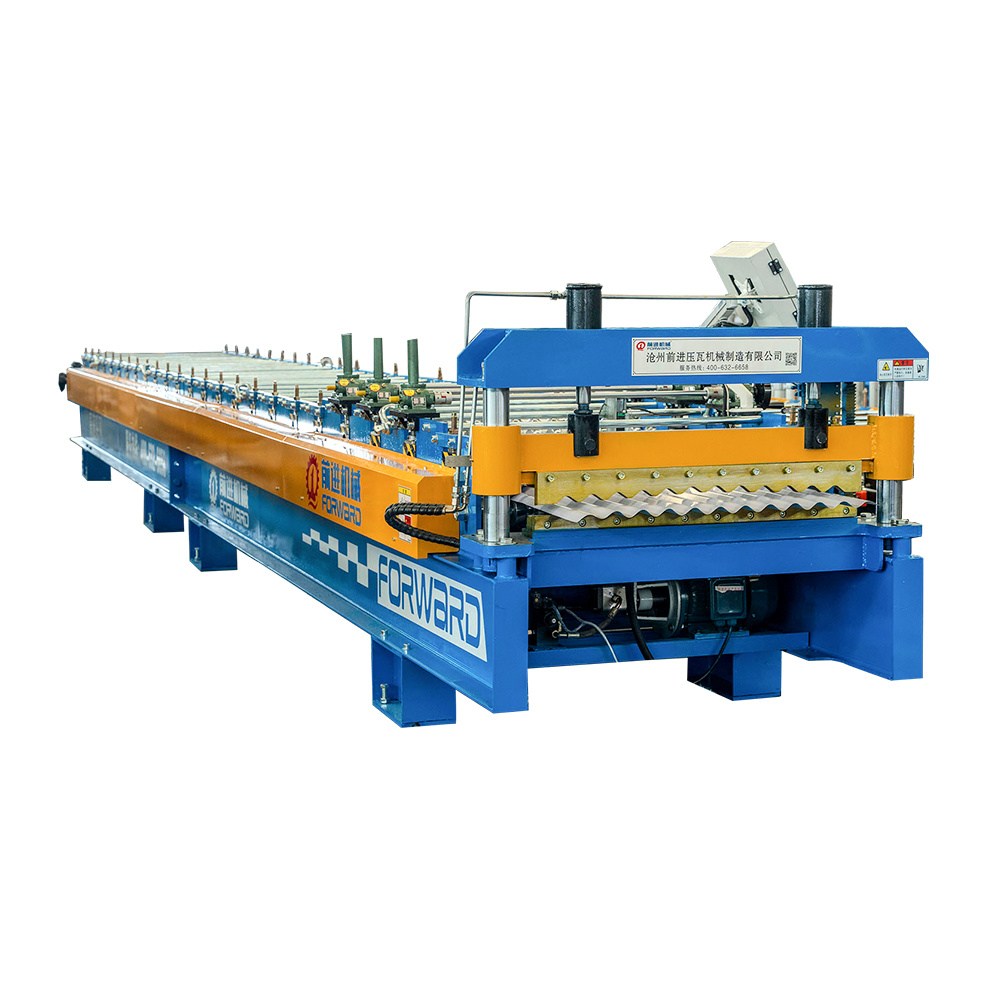
Light gauge steel roll forming machines are specialized equipment designed to shape and form steel into various profiles and sections using a continuous process. These machines are capable of producing lightweight yet strong steel components that are widely used in construction, automotive, and manufacturing industries. The efficiency and precision offered by light gauge steel roll forming machines have made them essential tools in modern manufacturing.
One of the primary advantages of using light gauge steel roll forming machines is their ability to create complex shapes with high accuracy. The process begins with flat steel strips being fed through a series of rollers, which gradually shape the steel into the desired profile. This method ensures that the finished product maintains consistent dimensions and strength characteristics throughout the length of the material. Additionally, the use of light gauge steel helps reduce the overall weight of structures while maintaining structural integrity, making it an ideal choice for many applications.
Another significant benefit of light gauge steel roll forming machines is their automation capabilities. Many modern machines come equipped with advanced control systems that allow for precise adjustments and quick changeovers between different profiles. This automation not only enhances production efficiency but also minimizes labor costs and reduces the potential for human error. As a result, manufacturers can achieve higher output rates while maintaining quality standards.
Furthermore, light gauge steel roll forming machines are versatile and can be tailored to produce a wide range of products, including framing systems, roofing panels, and wall cladding. The adaptability of these machines allows manufacturers to respond quickly to market demands and customize solutions for specific projects. This flexibility is particularly valuable in industries that require rapid prototyping and short production runs.
Maintenance is also a crucial aspect of operating light gauge steel roll forming machines. Regular inspections and upkeep are essential to ensure optimal performance and longevity of the equipment. Manufacturers should establish a preventive maintenance schedule that includes lubrication, alignment checks, and the replacement of worn components. By taking proactive measures, companies can avoid costly downtime and ensure consistent production.
In summary, light gauge steel roll forming machines play a vital role in the manufacturing process by enabling the production of high-quality steel products with efficiency and precision. Their advantages, including automation, versatility, and ease of maintenance, make them indispensable in various industries. Understanding the functionality and benefits of these machines can help businesses make informed decisions and optimize their manufacturing processes.
One of the primary advantages of using light gauge steel roll forming machines is their ability to create complex shapes with high accuracy. The process begins with flat steel strips being fed through a series of rollers, which gradually shape the steel into the desired profile. This method ensures that the finished product maintains consistent dimensions and strength characteristics throughout the length of the material. Additionally, the use of light gauge steel helps reduce the overall weight of structures while maintaining structural integrity, making it an ideal choice for many applications.
Another significant benefit of light gauge steel roll forming machines is their automation capabilities. Many modern machines come equipped with advanced control systems that allow for precise adjustments and quick changeovers between different profiles. This automation not only enhances production efficiency but also minimizes labor costs and reduces the potential for human error. As a result, manufacturers can achieve higher output rates while maintaining quality standards.
Furthermore, light gauge steel roll forming machines are versatile and can be tailored to produce a wide range of products, including framing systems, roofing panels, and wall cladding. The adaptability of these machines allows manufacturers to respond quickly to market demands and customize solutions for specific projects. This flexibility is particularly valuable in industries that require rapid prototyping and short production runs.
Maintenance is also a crucial aspect of operating light gauge steel roll forming machines. Regular inspections and upkeep are essential to ensure optimal performance and longevity of the equipment. Manufacturers should establish a preventive maintenance schedule that includes lubrication, alignment checks, and the replacement of worn components. By taking proactive measures, companies can avoid costly downtime and ensure consistent production.
In summary, light gauge steel roll forming machines play a vital role in the manufacturing process by enabling the production of high-quality steel products with efficiency and precision. Their advantages, including automation, versatility, and ease of maintenance, make them indispensable in various industries. Understanding the functionality and benefits of these machines can help businesses make informed decisions and optimize their manufacturing processes.
Key words:
recommend News
Share
Cangzhou Forward Roll Forming Machinery Manufacturing
Telephone: +86 0317 8308862
Mobile: +86 187 3373 6699
E-mail:info@rollformingmills.com
Skype:james521520
Address: China Hebei Cangzhou Botou City 104 National Road East
Website QR Code

Business License