
-
 Become an influential brand in the world industry!
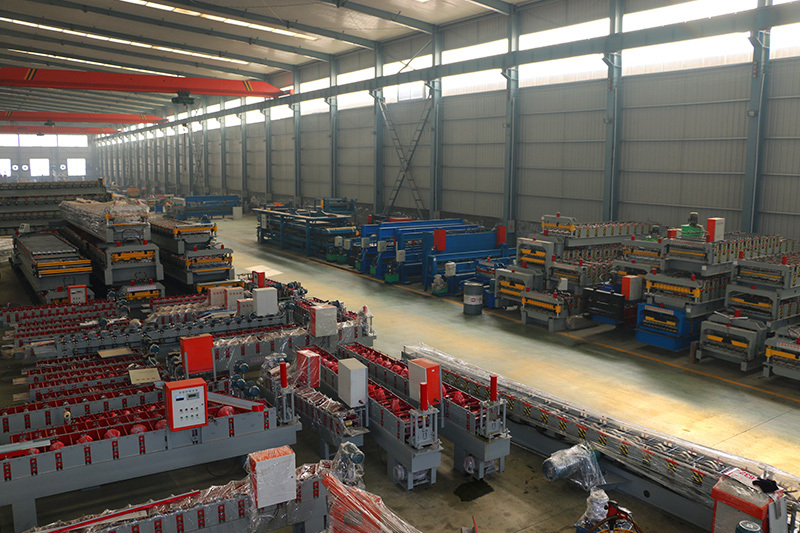
The company was established in 2008 and is located in Botou, Hebei, a famous casting city in China. -
Products
We continue to develop and create high quality but affordable products
The company is divided into two major factory areas in the north and south. -
Push forward without end
Products are widely used in industrial and civil buildings, such as factories, warehouses, gymnasiums, exhibition halls and other houses and walls. The company has a high starting point and an early start in the products of tile pressing forming and high-altitude tile pressing forming operation platform.
language
Common Misconceptions About Automatic Roll Forming Machines Debunked
Common Misconceptions About Automatic Roll Forming Machines Debunked
Table of Contents
- 1. Introduction to Automatic Roll Forming Machines
- 2. Misconception 1: Automatic Roll Forming Machines Are Only for Large Scale Production
- 3. Misconception 2: They Are Too Complicated to Operate
- 4. Misconception 3: Maintenance Is Too Challenging and Expensive
- 5. Misconception 4: Automatic Roll Forming Machines Are Not Versatile
- 6. Misconception 5: They Are Inefficient Compared to Traditional Methods
- 7. Misconception 6: Automatic Roll Forming Machines Have a High Failure Rate
- 8. Misconception 7: They Produce Poor Quality Products
- 9. Conclusion: The Real Value of Automatic Roll Forming Machines
- 10. Frequently Asked Questions
1. Introduction to Automatic Roll Forming Machines
Automatic roll forming machines are pivotal in modern manufacturing, providing efficiency and precision in the production of metal components. These machines utilize a continuous bending process to shape metal sheets into desired profiles, thus streamlining operations and enhancing productivity. Despite their advantages, many misconceptions surround their use and capabilities. In this article, we aim to debunk these myths, offering insights into the true nature of automatic roll forming machines.
2. Misconception 1: Automatic Roll Forming Machines Are Only for Large Scale Production
One of the most prevalent misconceptions is that automatic roll forming machines are exclusively designed for large-scale production, making them unsuitable for smaller operations. This belief stems from the perception that such machines require significant investment and operational capacity. However, modern roll forming technology has evolved to serve a range of production sizes.
Understanding Flexibility in Production
Automatic roll forming machines can be configured to handle both small-scale and large-scale production runs. They can easily adapt to varied production needs by modifying the die setup and adjusting the speed. This flexibility allows businesses of all sizes to leverage the benefits of automatic roll forming without committing to overwhelming volume requirements.
3. Misconception 2: They Are Too Complicated to Operate
Another common myth is that automatic roll forming machines are overly complex and require extensive training to operate effectively. While it is true that these machines involve sophisticated technology, advancements in user interface design have made operation much more intuitive.
Streamlined Operation and Training
Modern machines often come equipped with user-friendly interfaces that simplify the programming and operation process. Many manufacturers provide comprehensive training and support to ensure operators can efficiently use the machines. As a result, the learning curve is decreasing, and companies are experiencing smoother integration into their processes.
4. Misconception 3: Maintenance Is Too Challenging and Expensive
Maintenance concerns often deter businesses from investing in automatic roll forming machines. The notion that maintenance is complex and costly can be misleading. In reality, regular maintenance can prolong the lifespan of the machine and enhance its performance.
Cost-Effective Maintenance Practices
Implementing a scheduled maintenance program can significantly reduce the likelihood of costly repairs. Additionally, many manufacturers offer maintenance packages that include training for in-house personnel. Understanding basic troubleshooting and maintenance can empower operators to handle minor issues, further decreasing downtime and associated costs.
5. Misconception 4: Automatic Roll Forming Machines Are Not Versatile
Versatility is often questioned when discussing automatic roll forming machines. Some believe that these machines can only produce a limited range of products, thereby restricting their applicability in various industries. This perception overlooks the adaptability of roll forming technology.
A Wide Range of Applications
Automatic roll forming machines can create an extensive array of shapes and profiles, from simple channels to complex sections. They can work with various materials, including steel, aluminum, and even plastics. This versatility makes them suitable for numerous industries, such as automotive, construction, and appliance manufacturing.
6. Misconception 5: They Are Inefficient Compared to Traditional Methods
Some argue that automatic roll forming machines are less efficient than traditional manufacturing methods, such as manual machining or stamping. This claim fails to recognize the speed and accuracy that automatic machines bring to the table.
Speed and Efficiency of Automatic Roll Forming
Automatic roll forming machines operate at high speeds, significantly reducing production time while maintaining consistent quality. Their automated processes minimize human error and material waste, enhancing overall efficiency. In many cases, companies find that the initial investment in automatic roll forming pays off through increased productivity and lower operational costs.
7. Misconception 6: Automatic Roll Forming Machines Have a High Failure Rate
Concerns about reliability and failure rates often keep potential users at bay. However, this misconception overlooks advancements in technology and engineering that enhance the durability and reliability of these machines.
Improved Reliability Through Technology
Manufacturers are continuously improving automatic roll forming machines, integrating advanced sensors and monitoring systems that detect issues before they escalate. These innovations ensure higher operational reliability, reducing the likelihood of machine failure and unexpected downtime.
8. Misconception 7: They Produce Poor Quality Products
One of the most damaging misconceptions is that automatic roll forming machines produce inferior quality products. This belief may stem from misunderstandings about the manufacturing process and the importance of proper machine setup.
Ensuring High-Quality Output
When configured correctly, automatic roll forming machines can produce precise, high-quality components consistently. The key lies in proper design, setup, and maintenance. With the right parameters, automatic machines can achieve tolerances comparable to manual processes, if not better, while also improving production speed.
9. Conclusion: The Real Value of Automatic Roll Forming Machines
Automatic roll forming machines offer a plethora of advantages that can significantly enhance manufacturing efficiency. By debunking common misconceptions, we can appreciate the versatility, cost-effectiveness, and quality assurance these machines provide. Investing in automatic roll forming technology not only positions businesses to meet current demands but also prepares them for future growth and innovation in the manufacturing sector.
10. Frequently Asked Questions
1. What materials can automatic roll forming machines process?
Automatic roll forming machines can process various materials, including steel, aluminum, and certain plastics, making them versatile for multiple applications.
2. Are automatic roll forming machines suitable for small businesses?
Yes, modern automatic roll forming machines can be adjusted for both small and large production runs, making them accessible for businesses of all sizes.
3. How can I ensure the quality of products produced by roll forming machines?
Consistent quality can be maintained by ensuring proper machine setup, using quality materials, and adhering to a regular maintenance schedule.
4. What is the average maintenance cost for an automatic roll forming machine?
Maintenance costs vary based on the machine's complexity and usage. However, regular maintenance can prevent costly breakdowns and prolong the machine's lifespan.
5. How fast can automatic roll forming machines produce components?
The speed of production depends on the machine settings and the complexity of the profile being produced, but many machines can operate at speeds of several meters per minute.
This comprehensive overview aims to clear the air around automatic roll forming machines, showcasing their true potential in modern manufacturing. By addressing these misconceptions, we hope to encourage more businesses to consider the advantages that this technology can offer.
Key words:
recommend News
Share
Cangzhou Forward Roll Forming Machinery Manufacturing
Telephone: +86 0317 8308862
Mobile: +86 187 3373 6699
E-mail:info@rollformingmills.com
Skype:james521520
Address: China Hebei Cangzhou Botou City 104 National Road East
Website QR Code

Business License