
-
 Become an influential brand in the world industry!
The company was established in 2008 and is located in Botou, Hebei, a famous casting city in China. -
Products
We continue to develop and create high quality but affordable products
The company is divided into two major factory areas in the north and south. -
Push forward without end
Products are widely used in industrial and civil buildings, such as factories, warehouses, gymnasiums, exhibition halls and other houses and walls. The company has a high starting point and an early start in the products of tile pressing forming and high-altitude tile pressing forming operation platform.
language
Understanding Roll Forming Line Machines: Essential Insights for Manufacturers
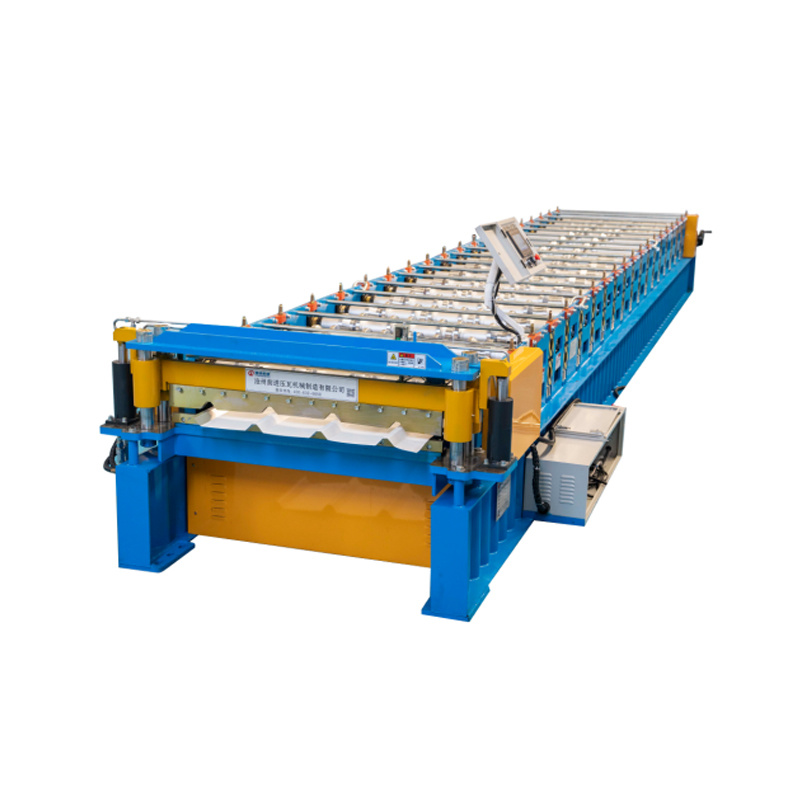
Roll forming line machines are vital in the manufacturing industry, particularly for producing metal components with precise shapes and dimensions. These machines are designed to bend and shape metal sheets or strips into desired profiles through a continuous process. Understanding the capabilities and advantages of roll forming line machines can greatly benefit manufacturers looking to enhance efficiency and product quality.
At the core of a roll forming line machine is its ability to process various materials, including steel, aluminum, and other metals. The process typically begins with feeding a flat metal strip into the machine, where it is passed through a series of rollers. Each roller gradually shapes the metal into the final profile, which can range from simple angles to complex sections, depending on the specific requirements of the project. This continuous shaping process not only speeds up production but also maintains a high level of accuracy.
One of the main advantages of using a roll forming line machine is its efficiency. Unlike traditional stamping methods, roll forming offers a continuous operation that reduces waste and maximizes material utilization. Additionally, the flexibility of these machines allows manufacturers to produce a wide variety of profiles using the same equipment, making them highly adaptable to changing production needs.
Roll forming line machines also contribute to improved product consistency. The precision of the rollers ensures that each piece produced is uniform, which is crucial for industries where exact specifications are required. This consistency leads to reduced rework and scrap rates, ultimately saving time and resources.
Moreover, roll forming technology has evolved significantly, incorporating advanced automation and control systems. Modern machines can be equipped with digital controls that allow for quick adjustments during production, enhancing responsiveness to changes in manufacturing demands. This technological advancement not only streamlines operations but also enhances overall productivity.
In terms of applications, roll forming line machines are utilized in a variety of sectors, including construction, automotive, and appliance manufacturing. Common products made through roll forming include roofing panels, metal studs, and brackets. The versatility of this technology makes it an invaluable asset across different manufacturing processes.
In summary, understanding roll forming line machines is essential for manufacturers aiming to optimize their production capabilities. By leveraging the efficiency, precision, and adaptability of these machines, companies can enhance their output quality while minimizing waste. As the manufacturing landscape continues to evolve, investing in advanced roll forming technologies will be crucial for staying competitive in the market.
At the core of a roll forming line machine is its ability to process various materials, including steel, aluminum, and other metals. The process typically begins with feeding a flat metal strip into the machine, where it is passed through a series of rollers. Each roller gradually shapes the metal into the final profile, which can range from simple angles to complex sections, depending on the specific requirements of the project. This continuous shaping process not only speeds up production but also maintains a high level of accuracy.
One of the main advantages of using a roll forming line machine is its efficiency. Unlike traditional stamping methods, roll forming offers a continuous operation that reduces waste and maximizes material utilization. Additionally, the flexibility of these machines allows manufacturers to produce a wide variety of profiles using the same equipment, making them highly adaptable to changing production needs.
Roll forming line machines also contribute to improved product consistency. The precision of the rollers ensures that each piece produced is uniform, which is crucial for industries where exact specifications are required. This consistency leads to reduced rework and scrap rates, ultimately saving time and resources.
Moreover, roll forming technology has evolved significantly, incorporating advanced automation and control systems. Modern machines can be equipped with digital controls that allow for quick adjustments during production, enhancing responsiveness to changes in manufacturing demands. This technological advancement not only streamlines operations but also enhances overall productivity.
In terms of applications, roll forming line machines are utilized in a variety of sectors, including construction, automotive, and appliance manufacturing. Common products made through roll forming include roofing panels, metal studs, and brackets. The versatility of this technology makes it an invaluable asset across different manufacturing processes.
In summary, understanding roll forming line machines is essential for manufacturers aiming to optimize their production capabilities. By leveraging the efficiency, precision, and adaptability of these machines, companies can enhance their output quality while minimizing waste. As the manufacturing landscape continues to evolve, investing in advanced roll forming technologies will be crucial for staying competitive in the market.
Key words:
recommend News
Share
Cangzhou Forward Roll Forming Machinery Manufacturing
Telephone: +86 0317 8308862
Mobile: +86 187 3373 6699
E-mail:info@rollformingmills.com
Skype:james521520
Address: China Hebei Cangzhou Botou City 104 National Road East
Website QR Code

Business License