-
 Become an influential brand in the world industry!
The company was established in 2008 and is located in Botou, Hebei, a famous casting city in China. -
Products
We continue to develop and create high quality but affordable products
The company is divided into two major factory areas in the north and south. -
Push forward without end
Products are widely used in industrial and civil buildings, such as factories, warehouses, gymnasiums, exhibition halls and other houses and walls. The company has a high starting point and an early start in the products of tile pressing forming and high-altitude tile pressing forming operation platform.
Maximize Production with Steel Frame Roll Forming Machines: A Comprehensive Guide
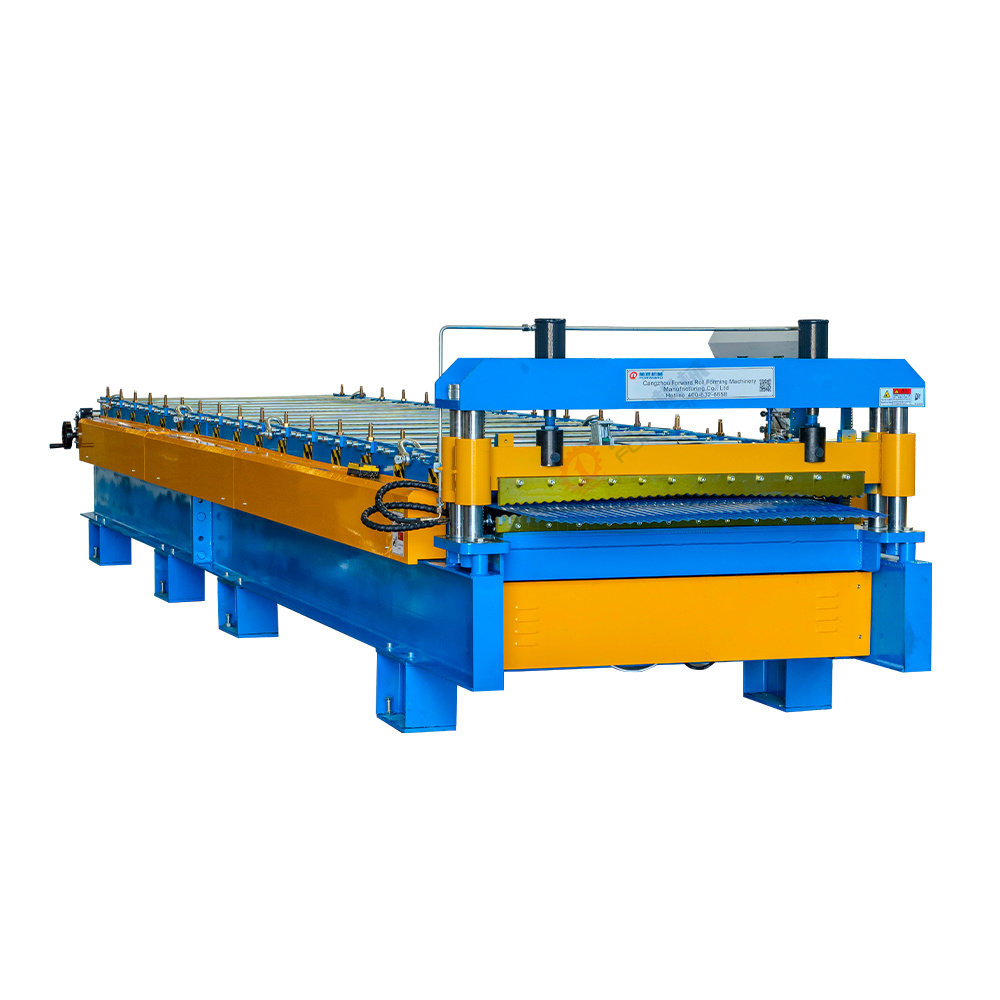
Maximize Production with Steel Frame Roll Forming Machines
In today’s competitive manufacturing landscape, efficiency and precision are paramount. One of the most effective ways to optimize production is through the use of steel frame roll forming machines. These innovative machines not only enhance manufacturing processes but also ensure high-quality output. In this comprehensive guide, we will explore the benefits, applications, and operational insights of steel frame roll forming machines, enabling manufacturers to maximize productivity.
Understanding Steel Frame Roll Forming Machines
Steel frame roll forming machines are specialized equipment designed to create continuous profiles from flat steel sheets. The process involves feeding the flat steel into a series of rollers, which progressively shape the material into the desired profile. This method is highly efficient and allows for the production of complex shapes with minimal waste.
The Components of Steel Frame Roll Forming Machines
To fully appreciate the efficiency of steel frame roll forming machines, it is essential to understand their components:
- Rollers: The primary component that shapes the steel into the desired profile.
- Feeding System: Ensures consistent feeding of steel sheets into the rollers.
- Cut-off Mechanism: Trims the produced profiles to the required lengths.
- Control System: Manages the speed and operation of the machine.
How Steel Frame Roll Forming Machines Work
The roll forming process begins with steel sheets being fed into the machine. As the sheets pass through the series of rollers, they gradually take on the desired shape. The machine’s precise control system allows for adjustments in speed and pressure, ensuring optimal results. Once the desired shape is achieved, the cut-off mechanism trims the profiles to the specified lengths. This process is not only efficient but also produces high-quality products with consistent dimensions.
Benefits of Using Steel Frame Roll Forming Machines
Investing in steel frame roll forming machines comes with numerous benefits that can significantly enhance production capabilities.
1. Enhanced Efficiency and Speed
Steel frame roll forming machines are designed for high-speed operation, allowing manufacturers to produce large volumes of products in a short amount of time. This increased efficiency translates to higher output and reduced lead times.
2. Reduced Material Waste
The roll forming process minimizes material waste compared to traditional manufacturing methods. The ability to create continuous profiles means there are fewer off-cuts, leading to cost savings on raw materials.
3. Consistent Quality and Precision
One of the standout features of steel frame roll forming machines is their ability to produce consistent profiles with high precision. This is crucial in industries where quality is non-negotiable, such as construction and automotive manufacturing.
4. Versatility in Applications
Steel frame roll forming machines can create a wide range of profiles suitable for various industries. From construction components to automotive parts, the versatility of these machines allows manufacturers to diversify their product offerings.
Applications of Steel Frame Roll Forming Machines
The applications of steel frame roll forming machines are vast and varied. Here are some key areas where these machines excel:
1. Construction Industry
In the construction sector, steel frame roll forming machines are used to produce steel studs, tracks, and other structural components. The lightweight and durable profiles created by these machines are ideal for modern building practices.
2. Automotive Manufacturing
Automotive manufacturers utilize roll forming machines to create intricate parts such as chassis components, brackets, and structural reinforcements. The precision and strength of profiles produced are essential for vehicle safety and performance.
3. HVAC Systems
Heating, ventilation, and air conditioning (HVAC) systems rely on ductwork, which can be efficiently manufactured using steel frame roll forming machines. The ability to create custom profiles ensures optimal airflow and efficiency in HVAC applications.
4. Furniture Production
Modern furniture design often incorporates metal components for strength and durability. Roll forming machines can produce stylish and functional metal frames for chairs, tables, and more.
Choosing the Right Steel Frame Roll Forming Machine
Selecting the appropriate roll forming machine is critical for maximizing production. Consider the following factors:
1. Production Volume
Assess your production needs to determine the machine's capacity. High-volume manufacturers may require machines with higher speeds and larger feeding systems.
2. Profile Complexity
Evaluate the complexity of the profiles you intend to produce. Some machines are better suited for simple shapes, while others can handle intricate designs with ease.
3. Material Types
Ensure the machine can accommodate the types of steel you plan to use. Different materials may require specific settings or roller configurations.
Maintenance and Operation of Steel Frame Roll Forming Machines
Proper maintenance is essential to ensure the longevity and efficiency of steel frame roll forming machines. Here are some crucial maintenance tips:
1. Regular Inspections
Conduct routine inspections of the machine's components, including rollers and the control system. Look for signs of wear and tear to address potential issues before they escalate.
2. Lubrication
Keep the machine well-lubricated to minimize friction and prevent overheating. Consult the manufacturer’s guidelines for specific lubrication recommendations.
3. Operator Training
Ensure that operators are adequately trained in the machine's operation. Well-trained personnel can identify problems quickly and operate the machine efficiently.
Frequently Asked Questions (FAQs)
1. What is the lifespan of a steel frame roll forming machine?
The lifespan of a steel frame roll forming machine can vary based on usage and maintenance but often ranges from 10 to 20 years with proper care.
2. Can roll forming machines handle different steel thicknesses?
Yes, many roll forming machines can be adjusted to accommodate various steel thicknesses. However, this depends on the specific machine's design and configuration.
3. Are roll forming machines suitable for small-scale production?
While roll forming machines excel in high-volume production, there are options available for small-scale production. Customizable machines can work for lower output needs as well.
4. How can I improve the efficiency of my roll forming process?
To enhance efficiency, consider optimizing the machine settings, reducing downtime during changeovers, and ensuring regular maintenance is conducted.
5. What safety measures should be taken when operating roll forming machines?
Operators should wear appropriate personal protective equipment (PPE), follow safety protocols, and ensure proper training to minimize the risk of accidents.
Conclusion
Steel frame roll forming machines are invaluable assets in modern manufacturing. By optimizing production processes, these machines not only enhance efficiency but also ensure high-quality output. Understanding their benefits, applications, and operational requirements is essential for manufacturers looking to stay competitive in today’s market. Investing in the right roll forming machine can lead to significant increases in productivity, reduced waste, and improved product quality, paving the way for long-term success in the manufacturing industry.
Key words:
recommend News
Share
Cangzhou Forward Roll Forming Machinery Manufacturing
Telephone: +86 0317 8308862
Mobile: +86 187 3373 6699
E-mail:info@rollformingmills.com
Skype:james521520
Address: China Hebei Cangzhou Botou City 104 National Road East
Website QR Code