
-
 Become an influential brand in the world industry!
The company was established in 2008 and is located in Botou, Hebei, a famous casting city in China. -
Products
We continue to develop and create high quality but affordable products
The company is divided into two major factory areas in the north and south. -
Push forward without end
Products are widely used in industrial and civil buildings, such as factories, warehouses, gymnasiums, exhibition halls and other houses and walls. The company has a high starting point and an early start in the products of tile pressing forming and high-altitude tile pressing forming operation platform.
language
Profile Roll Forming Machines: Revolutionizing the Manufacturing Process
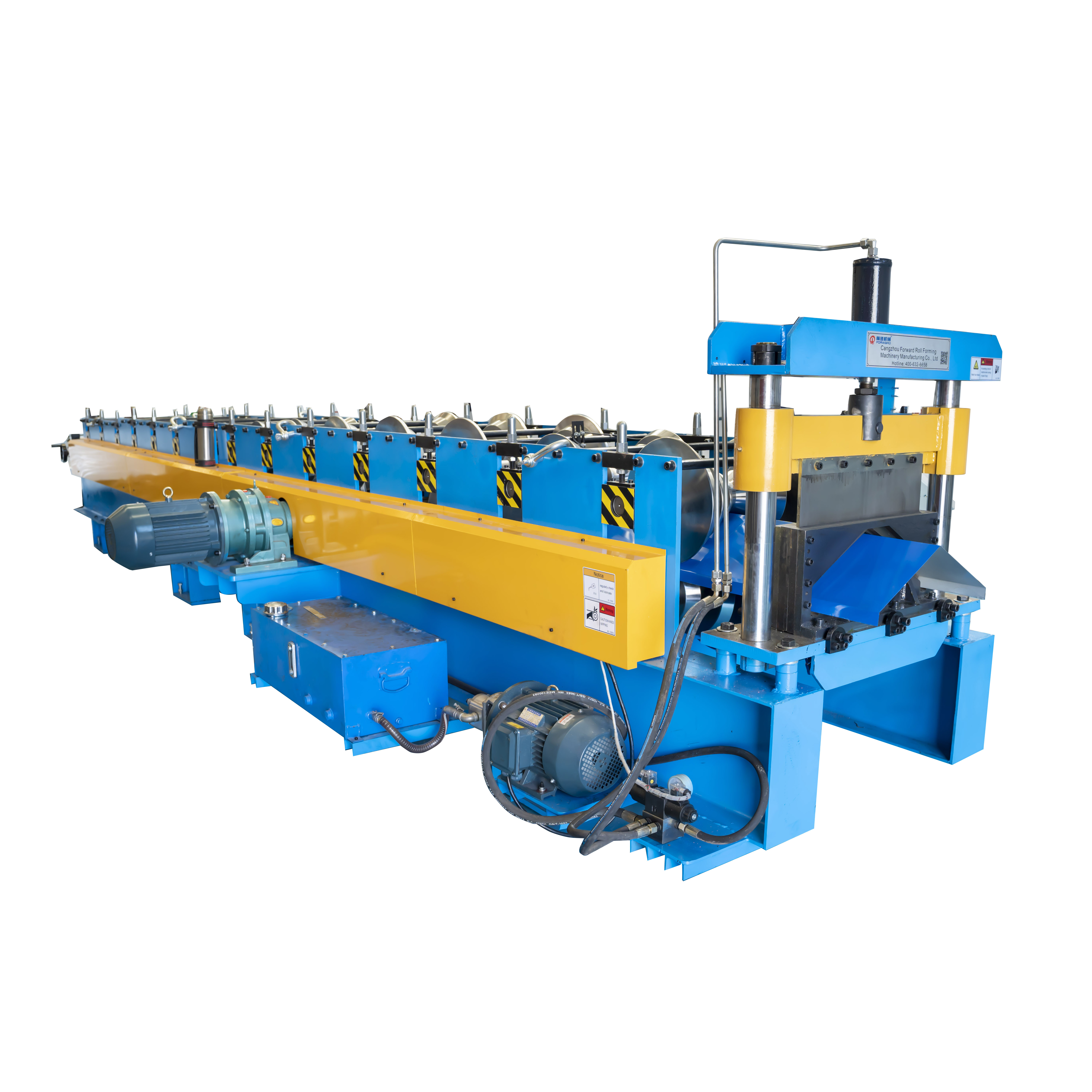
Profile Roll Forming Machines: Revolutionizing the Manufacturing Process
Table of Contents
- 1. What Are Profile Roll Forming Machines?
- 2. How Do Profile Roll Forming Machines Work?
- 3. Applications of Profile Roll Forming Machines
- 4. Benefits of Using Profile Roll Forming Machines
- 5. Comparison with Other Manufacturing Techniques
- 6. Maintaining Profile Roll Forming Machines for Longevity
- 7. Future Trends in Profile Roll Forming Machines
- 8. Conclusion
- 9. FAQs
1. What Are Profile Roll Forming Machines?
Profile roll forming machines are specialized equipment utilized to create complex cross-sectional shapes from metal sheets. They operate by continuously feeding metal stock through a series of rollers, progressively shaping it into the desired profile. This method is highly efficient, allowing for high-volume production with minimal waste. These machines are typically used in industries such as construction, automotive, and appliance manufacturing, where precise and consistent profiles are essential.
2. How Do Profile Roll Forming Machines Work?
The operation of profile roll forming machines involves several critical steps:
2.1. Material Preparation
The process begins with the selection of the appropriate material, often steel, aluminum, or other metals. The material is cut to the desired length and prepared for shaping.
2.2. Feeding Mechanism
The prepared metal sheet is fed into the machine’s rollers. The feeding mechanism may vary, utilizing either manual or automated controls to ensure precision.
2.3. Roller Design and Configuration
Rollers are strategically designed to gradually bend and shape the metal sheet into the desired profile. Each roller contributes to the incremental shaping process, with the final roller achieving the target configuration.
2.4. Cutting and Finishing
Once the desired profile is achieved, the material is typically cut to length. Additional finishing processes may be applied to enhance surface quality and prepare the product for further assembly.
3. Applications of Profile Roll Forming Machines
Profile roll forming machines have a wide range of applications across various industries:
3.1. Construction Industry
In the construction sector, roll forming machines produce metal roofing, wall panels, and structural components. Their ability to create long, continuous profiles makes them ideal for building applications.
3.2. Automotive Industry
The automotive industry utilizes profile roll forming for components such as door frames, chassis parts, and reinforcements. The precision and strength of formed profiles contribute to vehicle safety and performance.
3.3. Appliance Manufacturing
Appliance manufacturers rely on roll forming machines to create parts for refrigerators, ovens, and other household devices. High production rates and quality consistency are critical in this fast-paced industry.
3.4. Electrical and HVAC Applications
In the electrical sector, roll forming machines create conduits, brackets, and other components. Similarly, HVAC systems benefit from roll-formed ducts and fittings, providing efficient airflow and installation ease.
4. Benefits of Using Profile Roll Forming Machines
Utilizing profile roll forming machines presents numerous advantages for manufacturers:
4.1. High Efficiency and Productivity
Roll forming allows for continuous production, significantly reducing manufacturing lead times. The ability to produce long lengths with minimal waste enhances overall efficiency.
4.2. Precision and Consistency
The design of profile roll forming machines ensures highly accurate dimensions and uniformity across products. This consistency is crucial for parts that require tight tolerances.
4.3. Versatility in Design
Manufacturers can create a wide array of profiles, accommodating specific design requirements. This versatility enables customization for various applications without the need for extensive tooling changes.
4.4. Cost-Effectiveness
By minimizing material waste and maximizing production efficiency, profile roll forming machines contribute to lower overall costs. This cost-effectiveness is a significant driver for adopting this technology in manufacturing processes.
5. Comparison with Other Manufacturing Techniques
When considering manufacturing methods, it’s essential to compare profile roll forming with other techniques such as stamping and extrusion.
5.1. Roll Forming vs. Stamping
While both methods produce metal shapes, roll forming is better suited for long, continuous profiles, whereas stamping is ideal for complex and intricate shapes. Roll forming typically incurs lower tooling costs and offers greater production flexibility.
5.2. Roll Forming vs. Extrusion
Extrusion involves forcing material through a die to create shapes, which can be less efficient for creating long lengths. Roll forming excels in producing consistent profiles with minimal waste, making it the preferred choice for many applications.
6. Maintaining Profile Roll Forming Machines for Longevity
Proper maintenance of profile roll forming machines is crucial to ensure their longevity and optimal performance.
6.1. Regular Inspections
Conduct regular inspections of the machine components, including rollers, bearings, and drive systems. Identifying wear early can prevent costly downtime.
6.2. Lubrication
Maintain an appropriate lubrication schedule to minimize friction and wear on moving parts. This practice enhances the overall efficiency and lifespan of the equipment.
6.3. Cleanliness and Debris Removal
Keep the machine clean and free from debris. Regular cleaning prevents contamination of the material and ensures smooth operation.
7. Future Trends in Profile Roll Forming Machines
The landscape of profile roll forming machines continues to evolve, with several trends emerging:
7.1. Automation and Smart Technology
The integration of automation and smart technology is revolutionizing roll forming processes. Advanced controls and robotics enhance precision, reduce labor costs, and improve production efficiency.
7.2. Sustainable Manufacturing Practices
As industries shift towards sustainability, profile roll forming machines are adapting to produce environmentally friendly products. This includes utilizing recyclable materials and minimizing energy consumption during production.
7.3. Enhanced Customization Capabilities
The demand for customized profiles is rising. Future developments in roll forming technology will likely focus on enhancing the ability to produce bespoke designs quickly and efficiently.
8. Conclusion
Profile roll forming machines are undeniably revolutionizing the manufacturing process by providing efficient, precise, and cost-effective solutions for a variety of industries. Their ability to produce complex profiles with minimal waste and high productivity makes them invaluable assets in today's manufacturing landscape. As technology progresses, the future of profile roll forming promises even greater innovations, ensuring that this method remains at the forefront of manufacturing excellence.
9. FAQs
FAQ 1: What materials can be used with profile roll forming machines?
Profile roll forming machines can work with various materials, including steel, aluminum, and other metals.
FAQ 2: How does roll forming compare to other metal shaping processes?
Roll forming is typically more efficient for producing long, continuous profiles, whereas processes like stamping are better for complex shapes.
FAQ 3: What is the typical production speed of profile roll forming machines?
Production speed can vary significantly, but many machines can achieve speeds of several meters per minute, depending on the profile and material.
FAQ 4: Are profile roll forming machines customizable?
Yes, many modern profile roll forming machines can be customized to produce specific profiles and accommodate varying production requirements.
FAQ 5: How do I maintain a profile roll forming machine?
Regular inspections, lubrication, and keeping the machine clean are essential practices for maintaining a profile roll forming machine.
By focusing on these aspects, we can ensure that our content serves as a valuable resource for readers while also meeting the competitive standards necessary for strong search engine performance.
Key words:
recommend News
Share
Cangzhou Forward Roll Forming Machinery Manufacturing
Telephone: +86 0317 8308862
Mobile: +86 187 3373 6699
E-mail:info@rollformingmills.com
Skype:james521520
Address: China Hebei Cangzhou Botou City 104 National Road East
Website QR Code

Business License