
-
 Become an influential brand in the world industry!
The company was established in 2008 and is located in Botou, Hebei, a famous casting city in China. -
Products
We continue to develop and create high quality but affordable products
The company is divided into two major factory areas in the north and south. -
Push forward without end
Products are widely used in industrial and civil buildings, such as factories, warehouses, gymnasiums, exhibition halls and other houses and walls. The company has a high starting point and an early start in the products of tile pressing forming and high-altitude tile pressing forming operation platform.
language
Understanding Steel Roll Forming Machines: A Comprehensive Guide
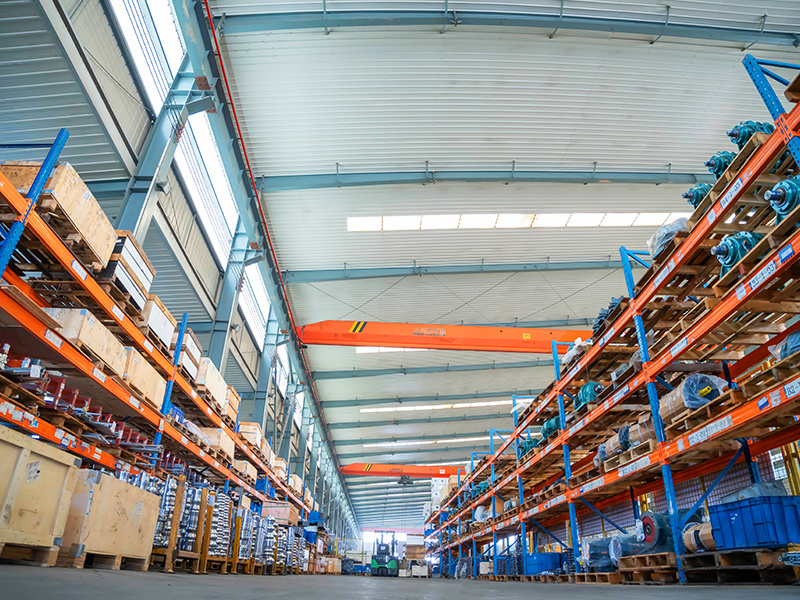
Steel roll forming machines are specialized pieces of equipment used in the manufacturing sector to produce shapes and profiles from metal sheets or strips. These machines operate by feeding metal through a series of rollers that gradually shape the material into the desired profile. The process is known for its high efficiency and precision, making it a popular choice for manufacturers needing consistent and repeatable results.
One of the primary advantages of steel roll forming machines is their ability to create complex shapes with minimal waste. As the metal is continuously formed, it allows for longer lengths of material to be processed without interruptions, unlike traditional methods that may require multiple operations. This continuous forming process not only saves time but also reduces the amount of scrap metal generated, which can lead to significant cost savings for manufacturers.
Additionally, steel roll forming machines are highly customizable. Manufacturers can design specific rollers to create unique profiles tailored to their product requirements. This flexibility allows companies to adapt quickly to changing market demands or to produce specialized components for various industries, including construction, automotive, and appliance manufacturing.
The technology behind steel roll forming has advanced significantly over the years. Modern machines often incorporate automated controls and computer numerical control (CNC) systems, improving accuracy and reducing the need for manual intervention. These advancements ensure that the finished products meet strict quality standards and specifications, further enhancing the reliability of the manufacturing process.
Maintenance and operation of steel roll forming machines are also critical aspects to consider. Regular maintenance routines ensure that the machines function optimally, preventing costly downtime and prolonging equipment lifespan. Operators must be well-trained in both the operation of the machinery and the safety protocols associated with handling metal products.
In summary, steel roll forming machines are vital tools in the manufacturing sector, offering numerous advantages such as efficiency, customization, and cost-effectiveness. Their ability to produce high-quality metal profiles makes them indispensable for industries requiring precision components. As technology continues to evolve, these machines will likely become even more efficient and versatile, contributing to the advancement of manufacturing processes worldwide. Understanding the functionality and benefits of steel roll forming machines is essential for any business looking to enhance its manufacturing capabilities and stay competitive in today’s market.
One of the primary advantages of steel roll forming machines is their ability to create complex shapes with minimal waste. As the metal is continuously formed, it allows for longer lengths of material to be processed without interruptions, unlike traditional methods that may require multiple operations. This continuous forming process not only saves time but also reduces the amount of scrap metal generated, which can lead to significant cost savings for manufacturers.
Additionally, steel roll forming machines are highly customizable. Manufacturers can design specific rollers to create unique profiles tailored to their product requirements. This flexibility allows companies to adapt quickly to changing market demands or to produce specialized components for various industries, including construction, automotive, and appliance manufacturing.
The technology behind steel roll forming has advanced significantly over the years. Modern machines often incorporate automated controls and computer numerical control (CNC) systems, improving accuracy and reducing the need for manual intervention. These advancements ensure that the finished products meet strict quality standards and specifications, further enhancing the reliability of the manufacturing process.
Maintenance and operation of steel roll forming machines are also critical aspects to consider. Regular maintenance routines ensure that the machines function optimally, preventing costly downtime and prolonging equipment lifespan. Operators must be well-trained in both the operation of the machinery and the safety protocols associated with handling metal products.
In summary, steel roll forming machines are vital tools in the manufacturing sector, offering numerous advantages such as efficiency, customization, and cost-effectiveness. Their ability to produce high-quality metal profiles makes them indispensable for industries requiring precision components. As technology continues to evolve, these machines will likely become even more efficient and versatile, contributing to the advancement of manufacturing processes worldwide. Understanding the functionality and benefits of steel roll forming machines is essential for any business looking to enhance its manufacturing capabilities and stay competitive in today’s market.
Key words:
recommend News
Share
Cangzhou Forward Roll Forming Machinery Manufacturing
Telephone: +86 0317 8308862
Mobile: +86 187 3373 6699
E-mail:info@rollformingmills.com
Skype:james521520
Address: China Hebei Cangzhou Botou City 104 National Road East
Website QR Code

Business License