
-
 Become an influential brand in the world industry!
The company was established in 2008 and is located in Botou, Hebei, a famous casting city in China. -
Products
We continue to develop and create high quality but affordable products
The company is divided into two major factory areas in the north and south. -
Push forward without end
Products are widely used in industrial and civil buildings, such as factories, warehouses, gymnasiums, exhibition halls and other houses and walls. The company has a high starting point and an early start in the products of tile pressing forming and high-altitude tile pressing forming operation platform.
language
Understanding Guardrail Roll Forming Machines: Key Insights for Manufacturing Professionals
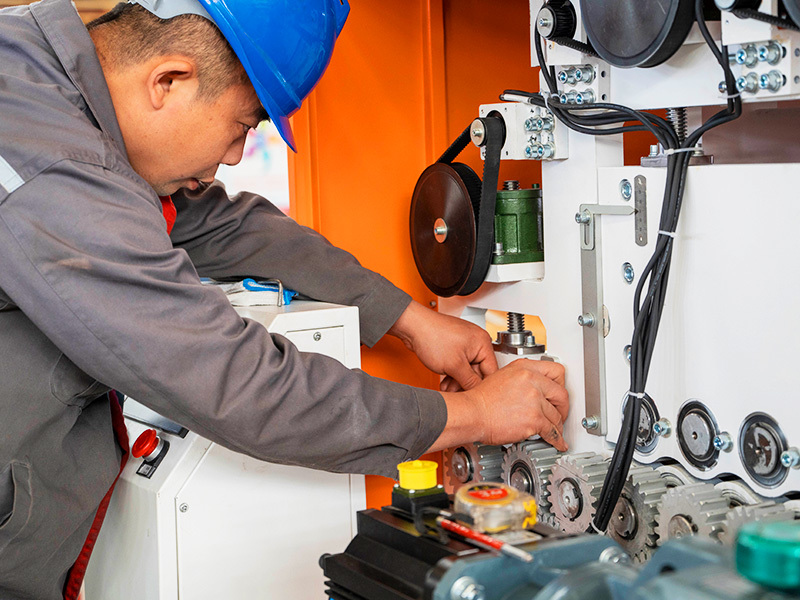
Guardrail roll forming machines are specialized equipment designed for the production of guardrails, which play a critical role in ensuring safety on roads and highways. These machines utilize a process known as roll forming, which involves feeding metal sheets through a series of rollers to shape them into a desired profile. Understanding the nuances of guardrail roll forming machines is essential for manufacturers aiming to optimize their production processes.
One of the primary advantages of using a guardrail roll forming machine is the efficiency it offers. The continuous operation of these machines allows for the rapid production of guardrails, significantly reducing manufacturing time compared to traditional methods. Additionally, the precision of roll forming ensures that the dimensions and profiles of the guardrails are consistently accurate, which is crucial for maintaining safety standards.
The design of guardrail roll forming machines typically includes multiple pass stations, where the metal sheets are gradually shaped through a series of rollers. This incremental shaping minimizes material waste and enhances the strength of the final product. Manufacturers can also customize the machine settings to accommodate different guardrail designs, making it a versatile tool in the production line.
Another important aspect is the material compatibility of guardrail roll forming machines. These machines can typically work with various types of metals, including steel and aluminum, allowing manufacturers to choose materials based on specific project requirements. The ability to handle different gauges and strengths of metals further expands the applications of guardrail roll forming machines in the industry.
Maintenance is a key factor in the longevity and performance of guardrail roll forming machines. Regular inspection and lubrication of the rollers and mechanical components are vital to ensure smooth operation and prevent costly downtime. Additionally, operators should be trained in troubleshooting and basic repairs to maintain optimal output levels and ensure safety during operation.
In summary, guardrail roll forming machines are indispensable in the manufacturing sector, offering efficiency, precision, and versatility. By understanding the technical aspects of these machines, manufacturing professionals can enhance their production capabilities and contribute to the overall safety and quality of road infrastructure. As the demand for durable and reliable guardrails continues to grow, investing in advanced guardrail roll forming technology will be a crucial step for manufacturers looking to stay competitive in the market.
One of the primary advantages of using a guardrail roll forming machine is the efficiency it offers. The continuous operation of these machines allows for the rapid production of guardrails, significantly reducing manufacturing time compared to traditional methods. Additionally, the precision of roll forming ensures that the dimensions and profiles of the guardrails are consistently accurate, which is crucial for maintaining safety standards.
The design of guardrail roll forming machines typically includes multiple pass stations, where the metal sheets are gradually shaped through a series of rollers. This incremental shaping minimizes material waste and enhances the strength of the final product. Manufacturers can also customize the machine settings to accommodate different guardrail designs, making it a versatile tool in the production line.
Another important aspect is the material compatibility of guardrail roll forming machines. These machines can typically work with various types of metals, including steel and aluminum, allowing manufacturers to choose materials based on specific project requirements. The ability to handle different gauges and strengths of metals further expands the applications of guardrail roll forming machines in the industry.
Maintenance is a key factor in the longevity and performance of guardrail roll forming machines. Regular inspection and lubrication of the rollers and mechanical components are vital to ensure smooth operation and prevent costly downtime. Additionally, operators should be trained in troubleshooting and basic repairs to maintain optimal output levels and ensure safety during operation.
In summary, guardrail roll forming machines are indispensable in the manufacturing sector, offering efficiency, precision, and versatility. By understanding the technical aspects of these machines, manufacturing professionals can enhance their production capabilities and contribute to the overall safety and quality of road infrastructure. As the demand for durable and reliable guardrails continues to grow, investing in advanced guardrail roll forming technology will be a crucial step for manufacturers looking to stay competitive in the market.
Key words:
recommend News
Share
Cangzhou Forward Roll Forming Machinery Manufacturing
Telephone: +86 0317 8308862
Mobile: +86 187 3373 6699
E-mail:info@rollformingmills.com
Skype:james521520
Address: China Hebei Cangzhou Botou City 104 National Road East
Website QR Code

Business License