
-
 Become an influential brand in the world industry!
The company was established in 2008 and is located in Botou, Hebei, a famous casting city in China. -
Products
We continue to develop and create high quality but affordable products
The company is divided into two major factory areas in the north and south. -
Push forward without end
Products are widely used in industrial and civil buildings, such as factories, warehouses, gymnasiums, exhibition halls and other houses and walls. The company has a high starting point and an early start in the products of tile pressing forming and high-altitude tile pressing forming operation platform.
language
Top 5 Features to Look for in an Automatic Roll Forming Machine
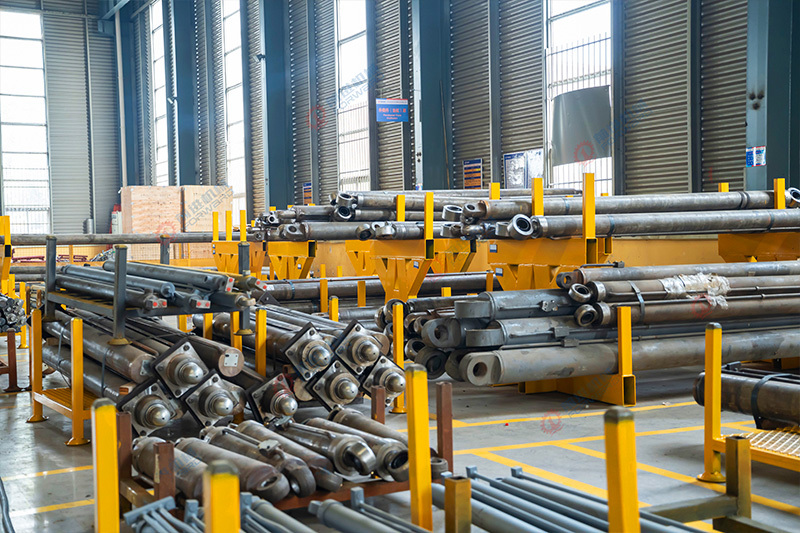
Top 5 Features to Look for in an Automatic Roll Forming Machine
In the manufacturing industry, the demand for efficient, high-quality production processes is ever-increasing. Automatic roll forming machines stand out as pivotal tools that enhance productivity while ensuring precision. Selecting the right machine involves understanding the key features that contribute to performance and reliability. This article outlines the top five characteristics to prioritize when investing in an automatic roll forming machine, helping you make a well-informed choice.
1. Precision Engineering for Consistent Output
The foremost feature to consider in an automatic roll forming machine is precision engineering. A machine that ensures high accuracy during the roll forming process is crucial for maintaining consistent product quality. Variations in dimensions can lead to significant issues in downstream processes, including assembly and integration.
Importance of Tolerances
**Tolerances** refer to the acceptable limits of variation in dimensions. When selecting a roll forming machine, look for systems that can achieve tight tolerances, typically within ± 0.5 mm. Machines designed with advanced technology, such as computer numerical control (CNC), allow for superior precision, reducing scrap rates and enhancing overall efficiency.
Integration of Advanced Sensors
Modern roll forming machines often utilize **advanced sensors** that monitor the forming process in real-time. These sensors can detect any deviations from the desired specifications, allowing for immediate adjustments. This feature not only maximizes precision but also minimizes waste, further optimizing production processes.
2. Versatility in Material Handling
Versatility is a key feature that enhances the adaptability of an automatic roll forming machine. The ability to work with various materials—such as steel, aluminum, and copper—expands your production capabilities and allows for a wider range of applications.
Material Thickness and Width Compatibility
Consider the **thickness and width** of the materials your machine is expected to handle. Different projects may require different gauges and profiles, making it essential to choose a machine that can accommodate this variability. A versatile roll forming machine can save time and resources by reducing the need for multiple machines dedicated to specific materials.
Customizable Tooling Options
Customizability in tooling is another aspect to consider. Many advanced roll forming machines offer interchangeable tooling setups, allowing users to switch between various profiles quickly. This feature is particularly advantageous for manufacturers who experience fluctuating demands, enabling them to adjust production without significant downtime.
3. Automation Features for Enhanced Efficiency
In the modern manufacturing landscape, automation plays a critical role in enhancing efficiency. Automatic roll forming machines equipped with advanced automation features can significantly reduce labor costs and increase production rates.
Automatic Feed and Cutting Systems
Look for machines that incorporate **automatic feed and cutting systems**. This feature streamlines the production process by automatically feeding material into the forming section and cutting it to length without manual intervention. The result is a faster production cycle and reduced chances of human error.
Integration with Production Management Systems
The best automatic roll forming machines can integrate seamlessly with **production management systems**. This integration allows for real-time monitoring and data analysis, enabling manufacturers to optimize workflow and identify bottlenecks. Such capabilities can lead to improved operational efficiency and higher profitability.
4. Robust Build Quality for Longevity
The build quality of an automatic roll forming machine is paramount for longevity and reliability. Investing in a machine with robust construction means less likelihood of breakdowns and maintenance issues.
Material and Design Considerations
Pay attention to the materials used in the machine's construction. Look for machines made from high-grade steel and designed with a sturdy framework. This not only provides stability during operation but also reduces vibrations, which can adversely affect precision.
Maintenance Accessibility
A machine that is easy to maintain will save both time and money in the long run. Consider the design of the machine concerning access to critical components for maintenance tasks. Machines designed with accessibility in mind facilitate quicker servicing, ensuring that your production line remains operational.
5. Energy Efficiency for Sustainable Operations
In today's environmentally conscious marketplace, energy efficiency is a vital feature to consider when selecting an automatic roll forming machine. Machines that consume less energy not only reduce operational costs but also contribute to sustainability goals.
Energy-Saving Technologies
Modern roll forming machines often incorporate **energy-saving technologies** that optimize power consumption without compromising performance. Look for machines that feature variable frequency drives (VFDs) and other energy-efficient components.
Benefits of Reduced Carbon Footprint
By opting for energy-efficient machines, manufacturers can significantly reduce their carbon footprint. This aspect not only appeals to environmentally conscious consumers but can also enhance the company's reputation within the industry.
Conclusion
Choosing the right automatic roll forming machine is a crucial decision that can significantly impact your manufacturing efficiency and product quality. By focusing on precision engineering, versatility in material handling, automation features, robust build quality, and energy efficiency, you can ensure that your investment will yield long-term benefits. These five features serve as a vital checklist for any manufacturer looking to optimize their production capabilities and stay ahead in a competitive market.
FAQs
What is an automatic roll forming machine?
An automatic roll forming machine is a device that shapes metal sheets into desired profiles through a series of rollers and forming stations, automating the production process for efficiency and precision.
How does precision engineering impact production?
Precision engineering ensures consistent output and reduces scrap rates by maintaining tight tolerances, which is crucial for high-quality manufacturing and downstream processes.
Can I use an automatic roll forming machine for different materials?
Yes, many modern automatic roll forming machines are designed to handle various materials, including steel, aluminum, and copper, making them versatile for different applications.
What automation features should I look for in a roll forming machine?
Key automation features include automatic feed and cutting systems, integration with production management systems, and real-time monitoring capabilities for optimal workflow.
Why is energy efficiency important in manufacturing machinery?
Energy efficiency reduces operational costs and environmental impact, aligning with sustainability goals and appealing to consumers who prioritize eco-friendly practices.
Key words:
Share
Cangzhou Forward Roll Forming Machinery Manufacturing
Telephone: +86 0317 8308862
Mobile: +86 15350786786
WhatsApp:+86 19333087068
E-mail:qianjinfac@gmail.com
Address: China Hebei Cangzhou Botou City 104 National Road East
Website QR Code

Business License